



Feel for Freshness
The primary indicator of a sweet and superior fig lies in its tactile sensation. Gently feel the anjeer; exceptional quality specimens will exhibit a soft,
yielding, almost spongy texture. Conversely, if a fig feels rigid, dense, and unyielding, it's likely past its prime, lacking both moisture and sweetness. A slight stickiness coupled with softness is a hallmark of delicious, fresh figs. A gentle press before purchase is your best bet for gauging its readiness and ensuring a delightful eating experience. Don't be afraid to touch them to discern their true quality before committing to a purchase.
Color Cues
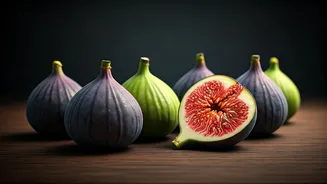
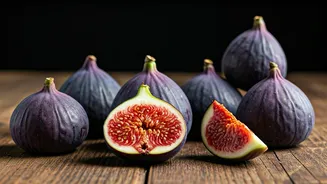
Observe the fig's external hue for telltale signs of its freshness and inherent sweetness. Ideally, high-grade anjeer should present a light brown or a warm golden-brown shade. Any fig exhibiting an excessively dark or dull coloration, particularly those marred by black spots, should be approached with caution. Such imperfections often signify that the fruit is aged or has not been stored optimally, compromising its flavor and texture. Look for a consistent color across the entire surface, free from visible signs of dryness or prominent cracks, as these uniform characteristics are strong indicators of well-preserved quality.
Scent and Sweetness
A naturally sweet anjeer often carries a subtle, pleasant aroma. When purchasing loose figs, take a moment to inhale; a faint, natural fragrance suggests freshness. If the scent is sour, fermented, or entirely absent, it’s a strong signal that the figs are of inferior quality and may not be sweet. It's also crucial to distinguish naturally sweet figs from those artificially enhanced. Opt for figs that require no added sugars. Be wary of any figs that have a noticeable sugary coating, as this often masks a lack of natural sweetness and is best avoided for a truly wholesome experience.
Internal Inspection
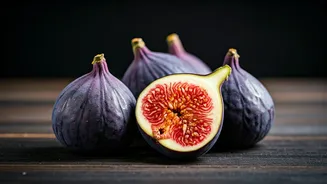
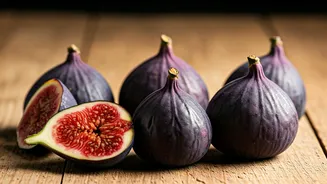
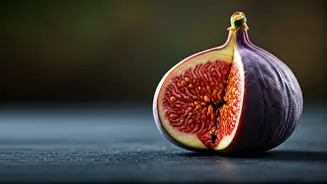
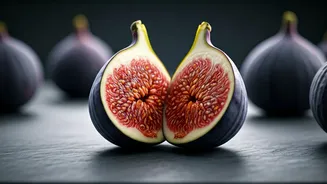
Delving into the fig's interior offers another valuable insight into its quality. When you manage to examine a fig that has been opened, a high-quality specimen will reveal a rich, moist texture within, densely packed with numerous seeds. These seeds are an integral part of the fig's appeal, contributing significantly to its taste and nutritional profile. A well-formed fig will appear full and inviting on the inside. In contrast, a fig of lesser quality might look desiccated and sparse internally, hinting at a dry and less satisfying consumption.
Avoid Dry & Hard
A clear indication of diminished quality in anjeer is an overly dry or hard consistency. Such characteristics strongly suggest that the fruit has lost essential moisture, possibly due to prolonged storage or exposure. These figs are not only less sweet but also significantly more challenging to chew, detracting from the enjoyment. While dried figs are naturally less juicy than their fresh counterparts, they should never be rock-hard. Fresh figs, even when dried, must retain a degree of softness and internal moisture to be considered good quality.
Storage Matters
The conditions under which anjeer is stored play a pivotal role in preserving its quality and flavor. For optimal preservation, figs should be kept in a cool, dry environment, shielded from direct sunlight. When procuring figs from a retail setting, prioritize those displayed in clean, sealed containers. This practice helps prevent damage and protects the figs from moisture fluctuations and potential spoilage. Ensuring proper storage conditions at the point of sale is a strong indicator of a vendor's commitment to maintaining high product standards.