






From Humble Beginnings
In the bustling locale of Mohan Garden, New Delhi, a unique horticultural marvel unfolds on a compact 550-square-foot terrace. This space, far from being
ordinary, has evolved into a vibrant, self-sustaining ecosystem where every element plays a crucial role. The mastermind behind this green sanctuary is Abhay Bharadwaj, whose journey into gardening began with a modest collection of three tulsi plants. His passion was further ignited after he attended a permaculture course at the Art of Living International Center in Bengaluru back in 2015. This experience was pivotal, introducing him to the principles of waste composting, soil regeneration, and the art of cultivating a balanced environment, setting the stage for the extraordinary garden that exists today.
Repurposing with Ingenuity
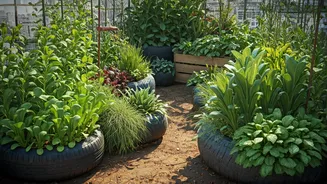
The essence of Abhay Bharadwaj's garden lies in its radical embrace of reuse. Nearly every container and structure within this urban oasis has a previous life, rescued from what would otherwise be discarded. Broken buckets, former cement bags, styrofoam boxes, and even old plumbing pipes have been ingeniously repurposed to house a diverse collection of plants. This resourceful approach extends to the very foundation of his gardening practice, demonstrating a profound commitment to sustainability. It highlights how everyday waste items can be given a new purpose, contributing to both the aesthetic appeal and functional success of his green space, proving that a creative mindset is the most valuable tool for any gardener.
A Permaculture Ecosystem
Abhay's garden is more than just a collection of plants; it's a living testament to permaculture principles. Today, this thriving space boasts over 400 different plants, featuring a variety of greens like spinach and methi (fenugreek), alongside vegetables such as brinjal and gourds, and even turmeric. A particularly striking feature is a 15-foot neem tree that has taken root and grown remarkably out of a repurposed sewage pipe. The heart of this garden’s success is its robust cycle of regeneration. Kitchen scraps, discarded temple flowers, and paper waste are meticulously composted. Even organic materials like sugarcane bagasse and fruit peels are thoughtfully incorporated into the composting process. In approximately 60 days, this carefully managed waste transforms into nutrient-rich, living soil, perfectly embodying the self-sustaining ethos of the garden.
Mindset for Growth
Abhay Bharadwaj’s remarkable terrace garden serves as an inspiring example that embarking on a gardening journey requires far less than one might imagine. The core ingredients are not expensive tools or vast plots of land, but rather a dedicated mindset and a willingness to experiment. His transformation of a limited urban space into a flourishing green haven underscores the power of innovative thinking and resourcefulness. It encourages aspiring gardeners to look at discarded materials not as waste, but as potential resources. The success of his garden, teeming with diverse flora, is a testament to what can be achieved when one embraces sustainable practices and cultivates a proactive approach to nurturing life from the ground up.