






End-of-Life Visions Unveiled
In the twilight of life, many individuals facing terminal illness report experiencing vivid dreams and visions. These profound inner journeys are not uncommon,
with studies indicating recurring themes that offer a unique perspective on the dying process. Researchers have long been captivated by these pre-death experiences, seeking to understand their meaning and impact. A recent Italian study, involving 239 palliative care professionals, shed further light on these phenomena. The findings highlighted consistent imagery reported by patients, suggesting a shared psychological or spiritual landscape as individuals approach their final moments. These insights are crucial for healthcare providers aiming to offer compassionate and holistic end-of-life care, acknowledging the deeply personal nature of these final experiences.
Common Dream Motifs
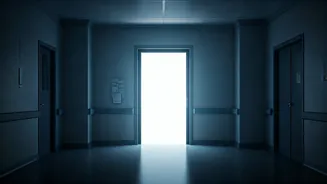
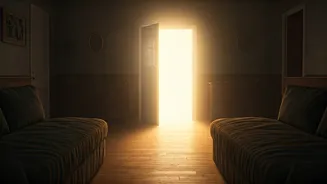
A striking pattern emerges from research into end-of-life dreams and visions (ELDVs): recurring symbolic imagery that seems to resonate with patients nearing death. The Italian study, building on previous work, found that frequent themes included encounters with deceased loved ones, the presence of bright, radiant light, and representations of transition, such as doorways and staircases. These motifs are not random; they appear to serve a significant purpose, offering comfort and a sense of continuity or passage. Seeing departed family members and friends can evoke feelings of reunion and belonging, while imagery of light and doorways often symbolizes a journey from one state of being to another, a peaceful transition towards the unknown. These recurring visions suggest a powerful, non-verbal communication of acceptance and peace.
Comfort and Coping
The recurring themes in end-of-life dreams and visions are increasingly understood as vital coping mechanisms that provide solace and ease the transition into death. Researchers propose that these experiences can act as psychological and even psychospiritual tools, helping individuals feel less alone, less fearful, and more prepared to let go of life. When patients dream of being reunited with deceased relatives or friends, it often fosters a sense of being accompanied and cared for. The imagery of bright light or open doors can represent hope and a peaceful passage, reassuring them that their journey continues. Healthcare professionals view these comforting visions as integral to providing emotional support, enabling patients to confront deeply emotional and existential issues in a way that logical discourse cannot always achieve, promoting inner peace and acceptance.
When Visions Distress
While many end-of-life dreams and visions are comforting, it's important to acknowledge that some can be distressing, indicating underlying anxieties or unresolved issues. These frightening experiences, which might include disturbing figures or images reflecting deep fears about dying, are not to be dismissed. The Italian study's authors emphasize that such distressing visions could signify unmet clinical or emotional needs within the patient's care. Instead of being categorized as mere delusions, these unsettling dreams warrant serious attention from healthcare providers. Recognizing and addressing the source of these anxieties can be crucial in ensuring the patient receives comprehensive comfort and support, helping them navigate their final days with as much peace as possible, even when facing inner turmoil.