






Unseen Damage Uncovered
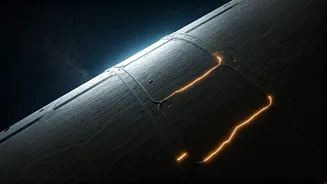
A persistent issue aboard the International Space Station involves hairline fractures discovered in the PrK, a crucial vestibule area within the Zvezda
service module. This section serves as a vital link between a docking port and the main living and working areas of the station. For years, these cracks have been responsible for minor but continuous atmospheric leaks, prompting crews to seal off the PrK when not actively in use. While recent interventions by Russian cosmonauts have involved the application of specialized sealant, effectively halting the escape of air, the fundamental problem—the existence of the cracks themselves—persists. The underlying cause of this structural degradation is yet to be definitively identified, leaving engineers in a state of continued vigilance and investigation to ensure the overall integrity and safety of the orbiting laboratory.
Investigating the Cause
The search for the root cause of the PrK cracking is an active, ongoing process involving collaborative efforts between NASA and its Russian counterparts at Roscosmos. A joint commission has been established, bringing together technical teams from both space agencies to dissect the problem. While significant strides have been made in understanding potential contributing factors and developing mitigation strategies, a singular, conclusive explanation has eluded the investigators. Two primary hypotheses are currently under rigorous examination: one suggests the cracking may be a result of 'very high cycle fatigue,' potentially induced by vibrations from onboard pumps, while the other considers 'environmental-assisted cracking,' where external factors might accelerate material degradation. Extensive testing and detailed analysis are underway, with the objective of pinpointing the definitive cause during the next scheduled meeting of the joint commission.
Safety Protocols Evolve
The unresolved nature of the PrK cracking necessitates a cautious and adaptive approach to the station's operations. Even with the leaks successfully plugged, concerns about the structural stability of the area persist. To mitigate risks, operational procedures have been adjusted. When the PrK vestibule is being utilized, non-Russian crew members, including those from NASA, remain in the U.S. segment of the ISS, with the connecting hatch securely closed. Furthermore, efforts are made to minimize the duration for which the PrK is pressurized. NASA is also collaborating with Roscosmos to explore alternative docking ports for visiting spacecraft, such as the Progress cargo modules, with the aim of preserving the PrK for the entire operational lifespan of the International Space Station. The joint commission has recommended a conservative strategy for the PrK's continued use until its cracking enigma is solved, involving operating it at reduced pressure and maintaining strict protocols regarding hatch closures.
Disagreement on Severity
A notable challenge in addressing the PrK cracking is the ongoing lack of consensus between NASA and Roscosmos regarding the severity of the consequences stemming from these fractures. This divergence of opinion has been a recurring theme, even dating back to late 2024. While both agencies agree on the necessity of minimizing the time the PrK remains pressurized, NASA's technical teams express persistent concerns about the duration for which the vestibule is exposed to full pressure. A protocol was established in August 2025, mandating a reduction in pressure within the PrK when it is not in use. However, adherence to this protocol has not always been consistent, leading to ongoing analysis and comparison of data between the involved teams to ensure optimal safety standards are met and maintained throughout the station's mission.