







Grain & Snack Sensibility
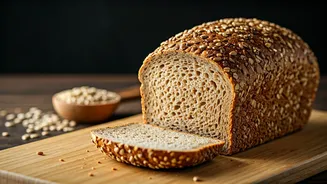
Embracing whole grains over refined ones is a foundational step towards sustained energy and better blood sugar regulation. Swapping white flour (maida)
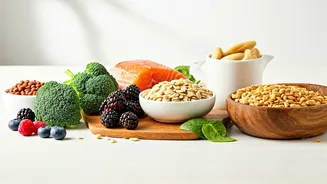
for wholesome alternatives like atta, millets, or oats provides your body with essential fiber and nutrients that fuel you throughout the day. This shift helps prevent energy slumps and supports a more stable metabolic function. When reaching for snacks, ditch the fried namkeen varieties that are often high in unhealthy fats and sodium. Instead, opt for nutrient-rich choices like roasted chana, puffed lotus seeds (makhana), or a mix of seeds. These provide a satisfying crunch alongside valuable healthy fats, fiber, and a host of beneficial antioxidants that contribute to overall health. These simple switches are not just about what you're removing, but about what you're actively adding to your diet to promote sustained vitality and well-being, making each meal and snack a step towards better health.
Sweetness & Protein Power
Managing sugar intake is crucial, especially as we age, to prevent sudden spikes in blood sugar and reduce inflammation. Instead of reaching for typical sugary snacks and desserts, consider satisfying your sweet cravings with natural alternatives. Fresh fruits offer natural sweetness along with essential vitamins, minerals, and fiber. Nuts are another excellent choice, providing healthy fats and protein for sustained satiety. For a touch of indulgence, a small portion of 70% dark chocolate can be a good option, offering antioxidants with less sugar. Furthermore, protein becomes increasingly vital for maintaining muscle mass, a process that can naturally decline with age (a condition known as sarcopenia). Ensuring adequate protein intake supports muscle strength, aids in recovery, and contributes to overall physical resilience. Incorporating protein-rich foods like paneer (Indian cottage cheese), curd (yogurt), lentils, and eggs into daily meals is a highly effective strategy to preserve muscle health and support bodily functions. Replacing refined sugars with natural sweeteners like dates or jaggery, used in moderation, can also help lower the body's inflammatory load, contributing to a healthier internal environment. These adjustments in sweetness and protein consumption are powerful tools for promoting long-term health and vitality.
Gut, Bones & Hydration
Prioritizing gut health and bone strength is paramount for maintaining overall well-being, particularly as women age. Enhancing digestion can be achieved by incorporating probiotics, such as curd or buttermilk, into your diet. These fermented foods introduce beneficial bacteria that support a healthy gut microbiome. Complementing these with fiber-rich foods further aids in digestive regularity and nutrient absorption. Simultaneously, ensuring adequate calcium and Vitamin D intake is essential for maintaining strong bones and preventing conditions like osteoporosis. These nutrients work synergistically to support bone density and reduce fracture risk. Beyond these core areas, maintaining proper hydration is equally critical. Opting for healthier beverages over sugary drinks can significantly impact your health. Instead of reaching for sugary sodas or packaged fruit juices, consider alternatives like coconut water, which provides electrolytes, or infused water, which offers a refreshing taste with minimal calories. These choices contribute to better metabolic efficiency and overall bodily function, laying a solid foundation for sustained health and vitality.
Mindful Eating Practices
Beyond the specific ingredients we choose, the way we approach our meals plays a significant role in our health. Adopting mindful eating habits can lead to improved metabolic efficiency and better digestion. This involves paying attention to hunger and fullness cues, which helps prevent overeating. Portion control is a key aspect of mindful eating; understanding appropriate serving sizes ensures that you're consuming adequate nutrients without excess calories. Another beneficial practice is eating meals earlier in the day. This allows your digestive system more time to process food before bedtime, potentially reducing digestive discomfort and supporting better sleep patterns. Early dinners can also contribute to improved metabolic function by aligning your eating schedule more closely with your body's natural circadian rhythms. By consciously integrating these mindful eating strategies into your daily routine, you can further enhance your body's ability to process food effectively and support overall well-being, complementing the benefits gained from making healthier food choices.
Extra Meal Enhancements
To further elevate your nutritional intake and overall health, consider a few additional simple food swaps. Replacing white rice with brown rice or quinoa offers a significant boost in fiber content. This increased fiber aids in satiety, promotes better digestion, and contributes to a more balanced blood sugar response. Quinoa, in particular, is also a complete protein source, offering additional benefits. When it comes to hydration and vitamin intake, swapping packaged fruit juices for fresh, seasonal fruits is a highly beneficial move. Fresh fruits are packed with natural fiber and essential nutrients, while most packaged juices contain added sugars and have had much of their fiber removed. This simple substitution ensures you're getting a more wholesome and less processed source of vitamins and hydration. Finally, reconsider your sauces and dips. Opting for homemade alternatives like hummus or hung curd spreads over mayonnaise-based sauces can drastically improve the health profile of your meals. Hummus provides plant-based protein and fiber from chickpeas and tahini, while hung curd offers a good source of protein with a creamy texture. These choices are healthier sources of protein and good fats, making your meals both delicious and nourishing.