





English Hot Cross Buns
In England, the arrival of Easter is often heralded by the appearance of Hot Cross Buns. These delightful, spiced sweet buns are a time-honored tradition,
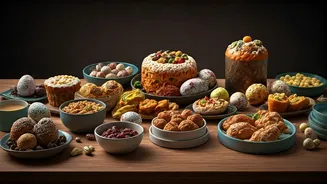
particularly enjoyed on Good Friday. A distinguishing feature is the prominent cross etched onto their surface, a poignant reminder of the crucifixion. Crafted with a tender dough, they are infused with aromatic spices and often studded with plump currants or raisins. A light glaze bestows a subtle sweetness and sheen. These buns are more than just a treat; they represent a significant religious observance and are perfectly complemented by a warm cup of tea, offering a comforting and fragrant start to the Easter festivities.
Russian Pashka Dessert
From the heart of Russia comes Pashka, a dessert that is as visually striking as it is rich in flavor. This creation is primarily composed of creamy cottage cheese, blended with generous amounts of butter and sugar to achieve a luscious consistency. It is traditionally molded into a distinctive pyramid shape, a form that carries symbolic weight. Adorned with intricate religious motifs, Pashka is typically presented alongside Kulich, a festive Easter bread, during Russian Orthodox Easter celebrations. Its presence signifies abundance and the joyous theme of Christ's resurrection, making it a centerpiece of culinary devotion.
Italian Colomba di Pasqua
Italy offers its own iconic Easter bread, known as Colomba di Pasqua. This sweet loaf is distinctively shaped to resemble a dove, a universal emblem of peace. The dough itself is soft and sweet, generously flavored with the bright, zesty notes of candied orange peel. The exterior is often finished with a crunchy topping of sugar and almonds, providing a delightful textural contrast. The Colomba di Pasqua serves as a beautiful symbol of peace and the spirit of renewal that Easter embodies, gracing tables across Italy as a cherished festive centerpiece.
Greek Tsoureki Bread
In Greece, the Easter table is incomplete without Tsoureki, a sweet, braided bread. Its unique flavor comes from fragrant spices like mahleb, and it is often distinguished by the inclusion of vibrant red-dyed eggs baked into its intricate plait. This bread is a staple during Greek Orthodox Easter, with the red eggs symbolizing the blood of Christ and heralding the promise of new life. Tsoureki is a beloved part of festive family breakfasts and gatherings, embodying the joy and spiritual significance of the holiday.
Mexican Capirotada Layers
Mexico celebrates Easter with Capirotada, a deeply symbolic bread pudding. This layered dessert features toasted bread as its foundation, soaked in a rich syrup and artfully arranged with ingredients such as nuts and cheese. Each component of Capirotada is said to represent an element of Christ's Passion, making it a flavorful narrative of the Easter story. The interplay of textures and tastes creates a complex and satisfying dish that is a cherished tradition in Mexican households throughout Holy Week.
German Eierlikor Liqueur
Germany embraces the festive spirit of Easter with Eierlikor, a decadent egg liqueur. This popular treat is savored in various ways, either as a standalone drink or incorporated into delightful desserts. Its defining characteristic is its incredibly smooth, creamy texture and a sweet, satisfying flavor profile. Eierlikor embodies the opulence and joy associated with springtime celebrations, offering a rich indulgence that perfectly complements the Easter season and symbolizes the abundance of new beginnings.
Polish/Ukrainian Babka
Across Poland and Ukraine, Babka holds a special place in Easter traditions. This sweet, yeasted cake is renowned for its beautiful swirls, often filled with rich chocolate, warm cinnamon, or flavorful dried fruits. Traditionally baked for Easter, Babka is more than just a cake; it symbolizes the joy of resurrection and is a communal treat. Families often share this delightful bread after it has been blessed in church on Holy Saturday, making it a central element of post-celebration gatherings and a testament to shared faith and feasting.