
The Nordic Diet Unpacked
The Nordic diet is essentially a way of eating that emphasizes whole, unprocessed foods commonly found in Nordic countries. This includes things like whole grains
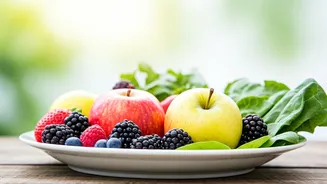
(rye, oats, barley), berries, root vegetables, fish, and limited amounts of lean meats. The core principles revolve around seasonality, using locally sourced ingredients, and focusing on sustainable food production. It generally steers clear of processed foods, refined sugars, and excessive amounts of saturated fats. Think fresh, simple, and wholesome, with a clear emphasis on minimizing environmental impact through sustainable practices.
Diabetes and Fatty Liver
Type 2 diabetes and fatty liver disease are significant health concerns globally, including in India. Both conditions are often linked to poor dietary habits, including diets high in processed foods, sugar, and unhealthy fats. The Nordic diet, with its focus on fiber-rich whole grains, lean proteins, and healthy fats from fish, provides a different approach. The emphasis on slow-digesting carbohydrates helps regulate blood sugar levels, which is crucial for diabetes management. The reduction in processed foods and saturated fats can help reduce liver fat accumulation, improving the health of people with fatty liver.
Nordic Diet Benefits
Research suggests the Nordic diet can positively impact several health markers. Studies have shown potential benefits, including improved insulin sensitivity, which is vital for managing type 2 diabetes. The high fiber content in whole grains and vegetables aids in weight management and improves gut health. The inclusion of omega-3-rich fish contributes to heart health and reduces inflammation. Some research hints at its ability to reduce liver fat accumulation. While specific studies focusing on the Nordic diet are still emerging, the underlying principles align with general recommendations for managing these conditions, emphasizing real foods and minimal processing.
India's Dietary Landscape
The Nordic diet’s adaptability to Indian cuisine requires careful consideration. The challenge lies in integrating it into the existing food culture. Indian diets, in many regions, tend to be high in carbohydrates (rice, roti, etc.) and may sometimes lack sufficient protein and healthy fats. Adapting the Nordic principles means incorporating whole grains like oats, barley, and rye, which are not traditionally staple foods in many Indian regions. It also means incorporating more fish, which, although consumed in some regions, may not be a daily staple nationwide. It may be necessary to find alternatives that reflect local availability and taste preferences.
Practical Adaptations
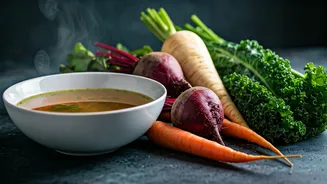
For an Indian adaptation, consider swapping refined grains for whole grains like oats (often available in breakfast cereals). Incorporate more seasonal vegetables, like beetroot, carrots, and various leafy greens, which are key components of the Nordic diet. Fish, especially fatty varieties like salmon, can be included where available and culturally accepted. Use healthier cooking methods such as steaming, grilling, or baking instead of deep-frying. Focus on using healthy oils like olive oil or mustard oil. Incorporating legumes (like lentils, chickpeas, and beans) can also provide fiber and protein, mimicking the benefits of the Nordic diet.
Consulting Experts
Before making significant dietary changes, especially if you have existing health conditions like type 2 diabetes or fatty liver, consultation with a healthcare professional or a registered dietitian is vital. They can assess individual needs, consider any potential allergies or intolerances, and provide personalized advice. A nutritionist can also help create a balanced meal plan that aligns with both the principles of the Nordic diet and your cultural and culinary preferences. This consultation will ensure you're making safe, informed choices that support your overall health and well-being.