



Embrace Free Play
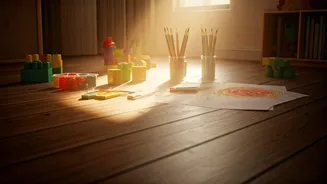
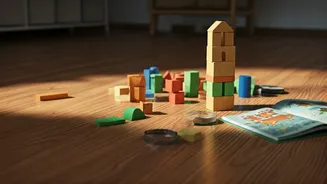
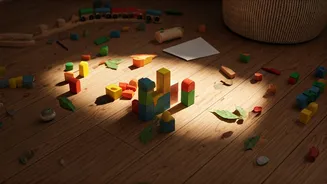
Creativity blossoms when children are given the freedom to explore without rigid rules or predetermined outcomes. Activities like building with blocks
or molding clay allow them to experiment, devise their own solutions, and think outside the box, unlike structured tasks that offer little room for independent thought. This type of play nurtures problem-solving skills and fosters a sense of agency, as children direct their own imaginative journeys and learn from the process of creation itself.
Ask Thoughtful Questions
Moving beyond simple instructions, parents can ignite creative thinking by posing open-ended questions. Instead of always providing answers, encourage children to ponder, analyze, and articulate their own ideas. This practice not only helps them develop a deeper understanding of concepts but also validates their thoughts and feelings, making them feel heard and respected. Regularly engaging in such dialogues cultivates a curious mind and builds confidence in expressing opinions.
Allow Exploration Time
In today's busy world, children's schedules are often packed with homework, school, and screen time. It's crucial to recognize that creativity often flourishes in moments of quiet reflection and unstructured downtime. By consciously carving out periods where children are free from obligations, parents enable them to explore their inner thoughts and ideas organically. This pressure-free environment is essential for their imaginative faculties to expand and develop naturally.
Value Their Efforts
Positive reinforcement is a powerful motivator for children's creative endeavors. When children feel that their attempts are appreciated, regardless of perfection, they are more likely to take risks and express themselves freely. Avoiding comparisons with others and focusing on the process rather than just the final product helps build their confidence. Acknowledging their dedication and hard work fosters a supportive environment where they feel safe to experiment and grow.
Introduce Storytelling
The art of storytelling is a profound tool for enhancing a child's imagination and creative expression. Engaging with narratives, whether through listening to stories or creating their own, allows children to explore a spectrum of emotions and perspectives. Parents can encourage this by reading books together, prompting children to recount their experiences, or helping them invent new characters and plots. This immersive experience stimulates imaginative thinking and enriches their understanding of the world.
Provide Creative Materials
Making creative tools readily accessible empowers children to translate their imagination into tangible forms. Ensuring a steady supply of items like paper, crayons, paints, clay, building blocks, storybooks, and even recycled materials such as cardboard boxes and old magazines, invites experimentation. This accessibility fosters an environment where curiosity is encouraged, and children can freely engage in artistic exploration, leading to a vibrant space for self-expression and imaginative play.