



Lemon Juice Danger Zone
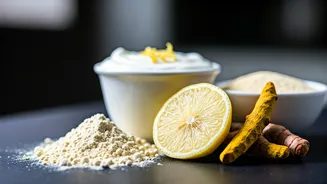
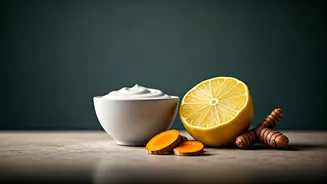
It's crucial to avoid common internet advice recommending raw lemon juice for tan removal. This acidic fruit, with a pH around 2, can severely disrupt
your skin's natural protective barrier. Applying it and then exposing your skin to sunlight can lead to phytophotodermatitis, a painful condition resembling a chemical burn, characterized by blistering and inflammation. Therefore, it's best to discard the idea of using lemon juice on your face for tanning purposes and explore safer, gentler alternatives that work with your skin's biology.
Yogurt's Gentle Exfoliation
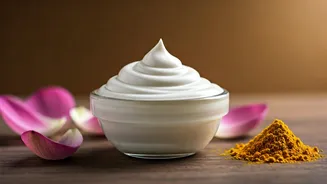
Embrace the power of yogurt, a staple in traditional skincare routines, for its natural lactic acid content. This Alpha Hydroxy Acid (AHA) works by gently dissolving the bonds that hold dead, pigmented skin cells together, revealing a brighter complexion. Unlike harsh physical scrubs that can cause micro-tears, yogurt offers a chemical exfoliation that is both effective and kind to your skin, making it an excellent choice for fading tans and improving overall skin tone.
Besan for Sebum Control
Gram flour, or besan, is a remarkable ingredient, particularly beneficial for managing oily and humid summer skin. It provides a mild yet effective physical exfoliation, helping to slough away the outermost layer of dead skin cells. Simultaneously, besan acts like an absorbent sponge, soaking up excess sebum and oil, which can help to mattify the skin and prevent breakouts. Its dual action makes it a valuable component in a natural tan removal regimen.
Turmeric's Brightening Power
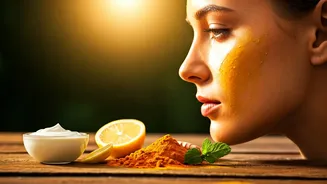
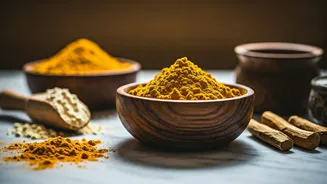
Haldi, or turmeric, is much more than just a vibrant spice; its active compound, curcumin, is a potent antioxidant with significant benefits for skin brightening. Scientific studies have demonstrated that curcumin can help regulate the production of melanin, the pigment responsible for skin color and tanning. A small amount of turmeric can effectively target hyperpigmentation and contribute to a more even, radiant skin tone, making it an essential ingredient for combating sun-induced darkening.
Papaya and Aloe Soothe
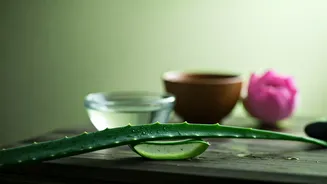
For those with sensitive or dry skin, ripe papaya and fresh aloe vera offer a gentle, soothing solution. Papaya's enzymatic exfoliation, driven by the enzyme 'papain,' breaks down dead skin cells without any abrasive action. Following this with aloe vera provides cooling hydration and contains 'aloin,' a compound known to naturally inhibit melanin synthesis. This combination deeply nourishes the skin barrier while effectively lightening dark spots and reducing redness.
Tomato's Natural Acids
Tomatoes are rich in lycopene, a powerful antioxidant that helps combat ongoing UV damage from the sun. Beyond this protective quality, they also contain mild natural acids. A quick application of tomato to the face can act as a natural astringent, instantly revitalizing a dull or sun-beaten complexion. This makes it a quick and effective addition to your tan removal routine, offering both protection and immediate refreshment.
Classic Heritage Mix
For individuals with normal to oily skin, a time-honored blend offers comprehensive tan removal. Combine two tablespoons of besan, one tablespoon of yogurt, and a tiny pinch of turmeric. The yogurt's lactic acid gently dissolves dead skin cells, while the besan physically sweeps them away. The turmeric then provides its antioxidant and brightening effects. This synergistic mixture effectively tackles tanning by chemically and physically exfoliating while boosting radiance.
Dry Skin Remedy
Sensitive and dry skin types can benefit immensely from a soothing concoction of mashed ripe papaya and a spoonful of fresh aloe vera gel. This pairing delivers enzymatic exfoliation, gently breaking down dead skin cells without causing irritation. The aloe vera ensures deep hydration, cools inflamed skin, and works to inhibit melanin production. This method provides a calming, hydrating, and effective way to lighten tan without any harshness.
Protect Your New Skin
Accelerating cell turnover to remove tan leaves your skin remarkably fresh but also highly vulnerable. It's imperative to protect this newly exposed skin from the sun's damaging rays. Failing to apply a broad-spectrum SPF 50 sunscreen immediately after your treatment can lead to instant re-tanning or sunburn. Prioritize sun protection to maintain the results achieved through natural ingredients and prevent further skin darkening.
Understanding Tanning
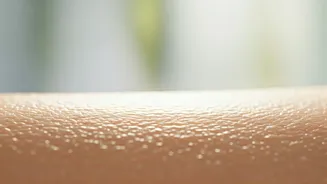
Tanning is essentially your skin's defense mechanism against UV radiation. When exposed to the sun, your body produces more melanin to absorb harmful rays and protect your DNA. While a tan typically fades naturally over three to four weeks as dead skin cells shed, you can expedite this process safely. By understanding and utilizing traditional Indian ingredients with modern dermatological insights, you can effectively speed up exfoliation and regain your natural glow without resorting to expensive clinical treatments.