





Power and Range Unleashed
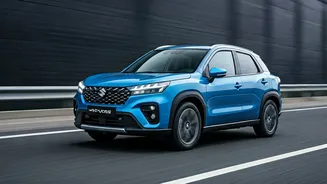
Maruti Suzuki's groundbreaking electric SUV, the e-Vitara, is poised for its Indian debut in February 2026, featuring two distinct battery pack choices:
a 49kWh and a larger 61kWh unit. Both will be paired with a front-mounted electric motor, delivering 142bhp for the smaller pack and an increased 172bhp for the larger one, while maintaining an identical torque output of 192.5Nm. The entry-level Delta variant will exclusively utilize the 49kWh battery, promising a WLTP-certified range of 344 kilometers. In contrast, the more premium Zeta and Alpha trims will be equipped with the 61kWh battery, boasting an impressive ARAI-certified range of up to 543 kilometers. Notably, all Indian models will be front-wheel drive, diverging from the international version which also offers an all-wheel-drive dual-motor setup.
Striking Modern Exterior
The e-Vitara presents a contemporary SUV aesthetic, characterized by its broad stance and meticulously crafted sharp lines. The front fascia is dominated by slender Y-shaped LED daytime running lights, complemented by a dark-finished grille, integrated fog lamps, and a protective silver skid plate. Its bodywork features clean contours and sculpted surfaces, contributing to an overall sporty yet sophisticated presence. Moving to the sides, the electric SUV is adorned with pronounced wheel arches, robust body cladding, and stylish 18-inch dual-tone alloy wheels. The rear profile is equally distinctive, showcasing wraparound LED taillights, a sporty roof spoiler, a shark fin antenna, and a substantial bumper.
Luxurious and Tech-Savvy Cabin
Stepping inside the e-Vitara reveals a premium dual-tone black-and-tan interior theme that graces the dashboard, door panels, and seating. The cabin is further enhanced with high-gloss black accents and comfortable semi-leatherette seats, elevating both style and occupant comfort. A notable first for a Maruti Suzuki vehicle is the introduction of a unique two-spoke steering wheel. The technological prowess of the e-Vitara is evident in its 10.25-inch touchscreen infotainment system and a crisp 10.1-inch digital instrument cluster. Enhancements include an Infinity sound system, seamless wireless connectivity for Android Auto and Apple CarPlay, a panoramic glass roof for an airy feel, and ambient lighting. Convenience is further amplified by electrically adjustable and foldable ORVMs, a 10-way power-adjustable driver's seat, ventilated front seats, a PM2.5 air purifier, and rear seats that offer both sliding and reclining functionality.
Top-Tier Safety Suite
Safety is a paramount consideration for the Maruti Suzuki e-Vitara, which is equipped with an array of advanced features designed to protect occupants. It offers up to seven airbags, ensuring comprehensive coverage in the event of a collision. Maneuvering in tight spaces is made easier with front and rear parking sensors and a 360-degree camera system. Essential electronic aids include electronic stability control (ESC) and an electronic parking brake with an auto-hold function, alongside a tyre pressure monitoring system (TPMS) for constant vigilance. The e-Vitara also integrates Level-2 Advanced Driver-Assistance Systems (ADAS), featuring capabilities such as adaptive cruise control, autonomous emergency braking, and lane keep assist. Its robust construction and safety features have earned it a coveted 5-star Bharat NCAP crash test rating, positioning it as one of the most secure electric SUVs available in the Indian market.
Charging and Support Network
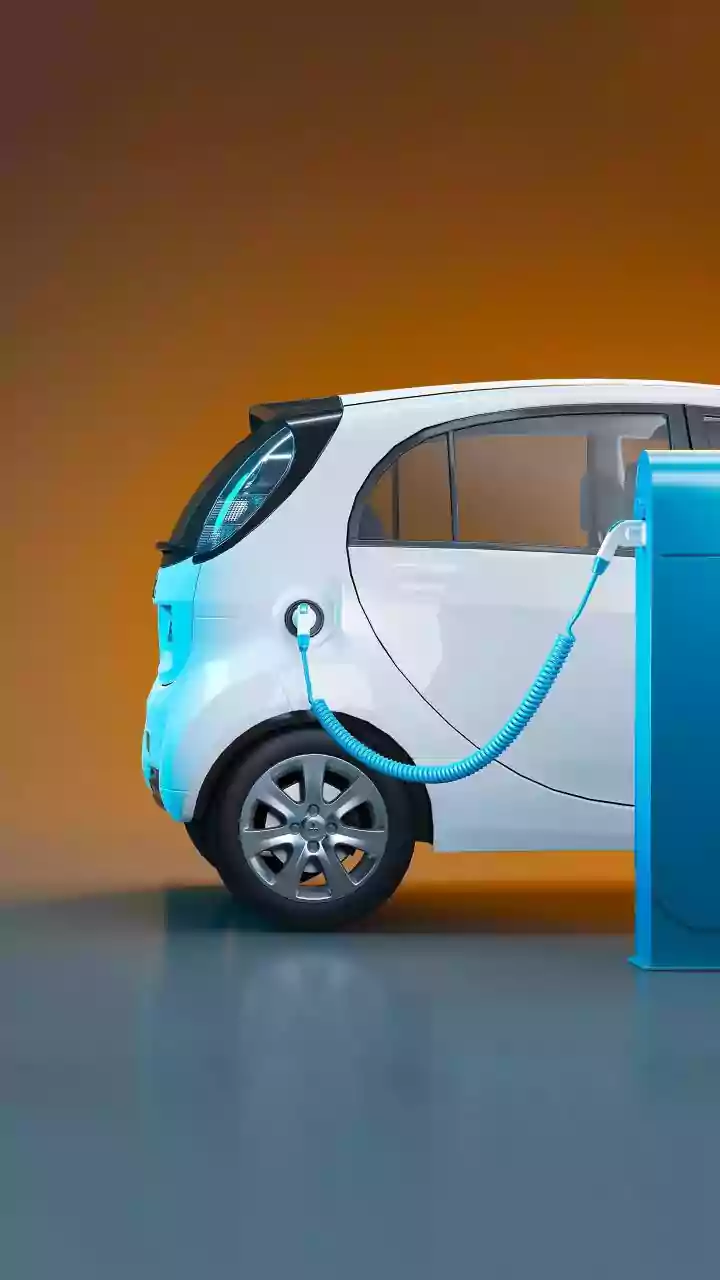
Maruti Suzuki is committed to supporting its electric vehicle owners by establishing an extensive charging infrastructure. The company plans to deploy over 2,000 dedicated charging stations strategically located across 1,100 cities nationwide. This network will be facilitated through collaborations with 13 prominent charging aggregators. Furthermore, Maruti Suzuki will be introducing a Battery-as-a-Service (BaaS) model specifically for the e-Vitara upon its launch in India. This innovative service aims to provide customers with flexibility and potentially reduce the upfront cost of EV ownership by offering the battery as a separate subscription service.