





Choosing Your Destination
The initial step in travel planning involves selecting your destination. For Indian travelers, factors like visa requirements, flight costs, and the appeal
of cultural experiences significantly influence this choice. Consider places like Southeast Asia, known for their affordability and vibrant cultures, or Europe, which offers historical sites and diverse experiences. Researching destinations based on your budget, interests, and the time of year is important. Websites, travel blogs, and recommendations from friends and family can provide valuable insights. Look for destinations that match your preferences—whether it is adventure, relaxation, or historical exploration. Evaluate the ease of travel, including accessibility from India, visa processes, and the availability of amenities such as Indian restaurants or local guides who speak Hindi or English. Being mindful of these details will enhance the overall travel experience.
Essential Travel Planning
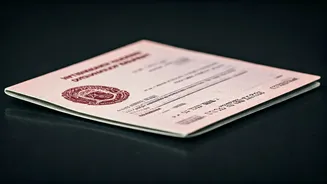
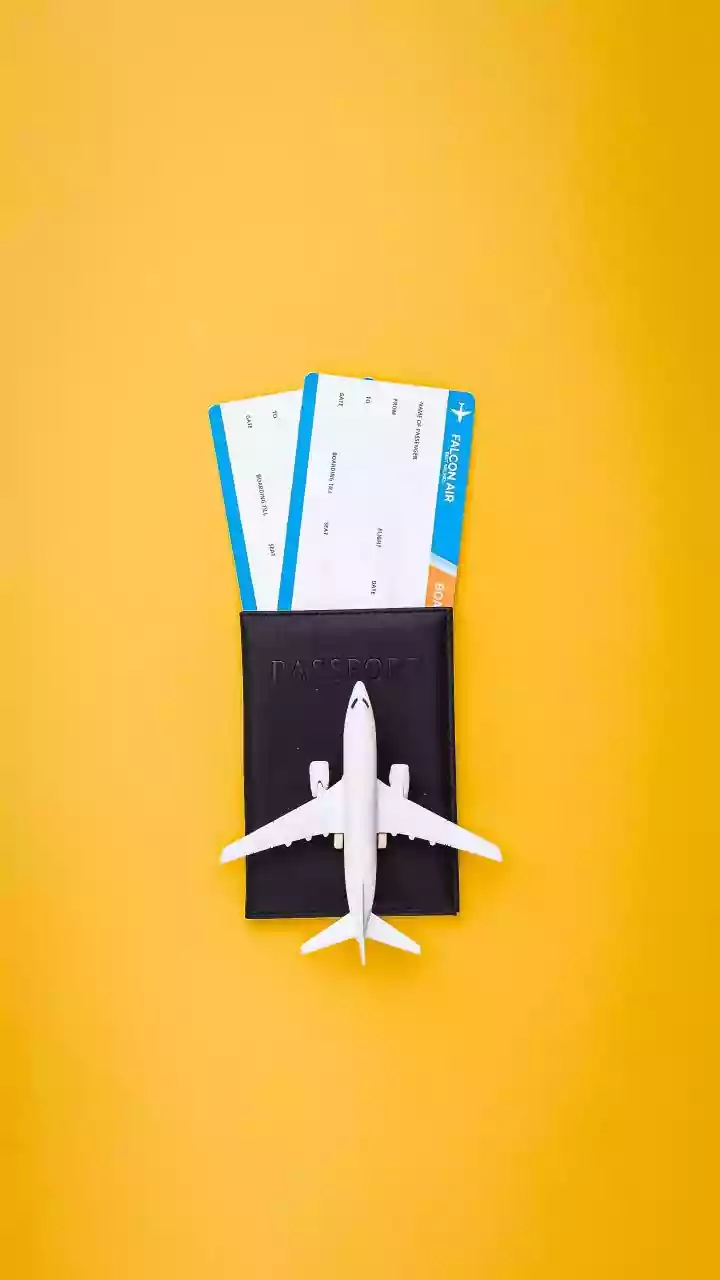
Once you have selected a destination, the next phase focuses on practical preparation. Ensure that your passport is valid and has sufficient validity to cover your travel dates. Research and obtain necessary visas, which may require submitting various documents and attending interviews. Book your flights and accommodation in advance, which usually offers better deals and availability. Comprehensive travel insurance is essential and should cover medical emergencies, trip cancellations, and lost baggage. Create a detailed itinerary outlining your activities, transport options, and expected expenses. Consider packing essential items, including appropriate clothing for the climate, any required medications, and travel adapters. Download necessary apps and offline maps to navigate and stay connected. Organize your finances, including currency exchange and credit card usage. Planning these things reduces any stress during the trip.
Cultural Awareness Matters
Understanding and respecting local cultures can significantly enrich your travel experience. Research local customs, etiquette, and traditions specific to your destination. Familiarize yourself with greetings, appropriate dress codes, and dining habits. Learning a few basic phrases in the local language can show respect and make communication easier. Be mindful of cultural sensitivities, such as religious practices or public behavior norms. Be open to trying new foods and experiences. Engage respectfully with local communities, showing interest in their culture and heritage. Embrace opportunities to learn, interact, and show genuine interest in the places you visit. This cultural sensitivity promotes positive interactions and fosters a deeper appreciation for the destinations you explore. Try to immerse yourself as much as possible, as it adds depth to travel experiences.
Health and Safety Tips
Prioritizing health and safety is crucial when traveling abroad. Consult with your doctor about necessary vaccinations and health precautions for your destination. Pack a basic first-aid kit containing essential medications and supplies. Stay informed about local health advisories and any potential risks. Ensure you have access to clean water and safe food. When exploring, keep personal belongings secure and be aware of your surroundings, especially in crowded areas. Avoid displaying expensive jewelry or carrying large amounts of cash. Register with your embassy or consulate to provide contact details and emergency contact information. In case of an emergency, know the local emergency numbers. Keeping safety and health a priority ensures the enjoyment of the trip and helps to mitigate any unforeseen circumstances, allowing travelers to focus on the overall experience.
Budgeting and Finances
Managing your finances wisely is crucial for an enjoyable travel experience. Set a budget before your trip, allocating funds for flights, accommodation, activities, meals, and transport. Research average expenses in your destination to ensure the budget is realistic. Choose cost-effective travel options, such as budget airlines and local transportation. Look into accommodation options like hostels or guesthouses. Consider using credit cards that offer travel rewards or have no foreign transaction fees. Inform your bank of your travel dates to prevent any issues with card usage. Exchange currency at a reputable bank or exchange service to get a good rate. Keep track of your spending and adjust your budget as needed. By following these financial tips, travelers can manage their resources and ensure that their trip is both affordable and enjoyable. This strategic planning provides peace of mind while traveling, and helps to get the most value for money.
Accommodation Choices
Choosing the right accommodation can greatly affect your trip. Consider various options to fit your needs, from budget-friendly choices to more luxurious experiences. Hotels provide a reliable option with varying price points and levels of service, while hostels suit budget travelers and those looking to meet other people. Guesthouses or homestays give travelers a more intimate cultural experience. Apartments or vacation rentals provide privacy and kitchen facilities, suitable for extended stays. Before booking, check reviews, location, and amenities, such as Wi-Fi, included breakfast, or the availability of a gym or swimming pool. Consider location relative to your planned activities and transport options. Factor in the accommodation's proximity to public transport, local markets, and points of interest. Make sure the accommodation complies with hygiene and safety standards. Selecting the most suitable accommodation helps to establish a comfortable and convenient base, enhancing your overall travel experience.
Packing Essentials
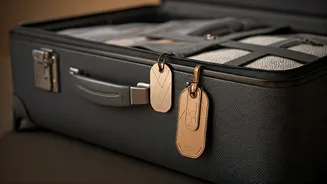
Packing the right items is essential for a comfortable and convenient trip. Start with important documents, including your passport, visa, flight tickets, and travel insurance details. Pack clothing appropriate for the climate, considering the weather conditions and any cultural dress codes. Include versatile items that can be mixed and matched. Pack comfortable walking shoes, and any specialized gear based on your planned activities. Include essential toiletries, medications, and any personal care items. Pack travel adapters to charge your electronics. Carry a basic first-aid kit with any required medications and basic health supplies. Pack a reusable water bottle to stay hydrated. A small bag with important items for immediate needs, such as a phone, wallet, and passport, will be helpful. Packing efficiently and smartly ensures you’re prepared for anything. This minimizes stress and maximizes the enjoyment of your trip, allowing you to travel light and comfortably.
Transportation Options
Understanding transportation options enhances your travel experience. Research the best ways to get around your destination, including public transportation, taxis, ride-sharing services, and car rentals. Public transportation, such as buses, trains, and subways, is a cost-effective choice for many destinations. Taxis and ride-sharing services provide convenient and flexible options, but be sure to use established and verified services. Car rentals offer greater freedom, especially if you plan to explore remote areas or want the flexibility to set your own pace. Consider using local transport options like auto-rickshaws or cycle rickshaws, if available, for a more cultural experience. Research traffic conditions and parking availability if you plan to drive. Purchasing transport passes or tickets can offer cost savings and convenience. Having a plan for local transport options helps ensure efficient travel and the ability to discover destinations. A well-informed strategy facilitates your navigation around your destination.
Staying Connected Abroad
Staying connected while traveling is important for convenience and safety. Consider your options for communication and internet access. Purchasing a local SIM card allows you to make calls, send texts, and use data at affordable rates. International roaming plans offered by your phone provider let you use your existing plan, but be mindful of the costs. Using Wi-Fi is a cost-effective option, with many hotels, cafes, and public areas providing free internet access. Download apps such as WhatsApp, Skype, and other communication tools to make it easier to stay in touch with your friends and family. Explore the use of travel apps that offer maps, translation services, or allow you to book accommodations and transport. Ensure your devices are secured by using strong passwords, and consider the security of public Wi-Fi networks. Staying connected enhances your travel experience by making it easier to navigate, communicate, and remain informed. This keeps you connected to friends, family, and the broader world.