







The Beauty of Sleep
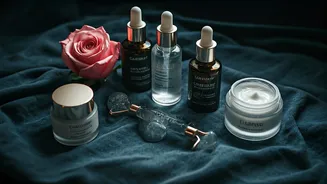
Contrary to the allure of costly serums and professional treatments, the most effective path to luminous, clear skin is surprisingly simple and entirely
free: sufficient sleep. Dermatologists and health organizations like the CDC affirm that a consistent 7 to 9 hours of shut-eye each night is crucial for maintaining skin vitality. Skimping on sleep, even by a small amount, significantly compromises your skin's protective functions. Research conducted by the London Sleep School demonstrated that reducing sleep by just 25% for five consecutive days led to a doubling of pore size and a 50% increase in facial redness among participants. For individuals in their 40s, even a single night of inadequate rest visibly diminishes skin elasticity and hydration, underscoring the immediate and cumulative damage of sleep deprivation. This article delves into the specific physiological processes that occur during sleep to rejuvenate your skin and explains why sacrificing sleep undermines any skincare regimen.
Nightly Rejuvenation Processes
Your skin undergoes a remarkable restorative process while you sleep, acting like a diligent construction site that only operates after dark. This internal clock, known as the circadian rhythm, dictates crucial overnight repairs. During deep sleep stages, your body releases a significant surge of Human Growth Hormone (HGH). This hormone is paramount for skin health as it stimulates the production of collagen and elastin, the essential proteins responsible for maintaining skin's firmness, plumpness, and resistance to wrinkles. When sleep is insufficient, this vital collagen-boosting process is hindered. In fact, the breakdown of existing collagen can accelerate, outpacing the body's ability to create new collagen, leading to premature signs of aging and a loss of skin structure. Therefore, prioritizing deep, uninterrupted sleep is fundamental to supporting your skin's natural regenerative capabilities and preserving its youthful appearance.
The Midnight to 4 AM Window
A critical period for skin regeneration occurs during the night, specifically between midnight and 4:00 AM. During these prime hours, your skin cells exhibit a multiplication rate that is more than double their rate when you are awake. This timeframe is when your body is most actively producing healthy, fresh stem cells, crucial for tissue repair and renewal. Engaging in late-night activities, such as extended screen time or work, often means you are actively sleeping through these crucial regeneration hours. By consistently missing this peak window, you are diminishing your skin's capacity to effectively renew itself, potentially leading to a less vibrant and resilient complexion over time. This highlights the importance of aligning your sleep schedule with your body's natural restorative rhythms to maximize the benefits of this critical overnight period.
Detoxification and Circulation
The common experience of waking up with a dull, washed-out complexion after a poor night's sleep has a clear biological explanation rooted in circulation. While you are asleep, your body significantly enhances blood flow to the skin. This increased circulation efficiently delivers vital oxygen and essential nutrients to skin cells, simultaneously facilitating the removal of accumulated environmental toxins and waste products from the day. When sleep is cut short, this beneficial blood flow is restricted. The consequence is often the pooling of blood beneath the eyes, resulting in the formation of stubborn dark circles, and an overall reduction in skin radiance, lending the complexion a dull, grayish appearance. Adequate sleep ensures this detoxification and nutrient delivery process functions optimally, contributing to a brighter and healthier-looking skin tone.
Cortisol's Damaging Effects
Sleep deprivation triggers a cascade of negative physiological responses, one of the most detrimental being a sharp increase in cortisol, the body's primary stress hormone. Elevated cortisol levels are particularly damaging to facial skin. This hormonal imbalance fuels widespread inflammation, which can exacerbate existing skin conditions and accelerate the breakdown of precious collagen reserves. For individuals prone to acne, rosacea, or eczema, high cortisol is a significant trigger, leading to more frequent and severe inflammatory flare-ups. This stress response directly counteracts the skin's natural healing and repair mechanisms, contributing to a less stable and more reactive skin barrier. Managing stress through adequate sleep is therefore a critical component of maintaining clear, calm, and healthy skin.
Moisture Balance and TEWL
During the night, your skin's temperature slightly increases, and its natural barrier becomes more permeable. While this increased permeability can enhance the absorption of beneficial skincare ingredients from products applied before bed, it also presents a challenge. Without sufficient sleep, your skin struggles to regulate its moisture balance effectively, leading to a phenomenon known as Transepidermal Water Loss (TEWL). This means your skin loses moisture at an accelerated rate, resulting in dryness, tightness, and the pronounced appearance of fine lines and wrinkles upon waking. Quality sleep, typically 8 hours, helps to naturally manage this moisture equilibrium. Conversely, poor sleep disrupts this balance, leaving your skin dehydrated and more susceptible to visible signs of aging. Prioritizing consistent, restorative sleep is therefore essential for maintaining optimal skin hydration and a smooth, supple complexion.