






Moon Surface Focus
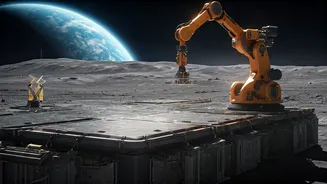
NASA's Artemis program is undergoing a significant transformation, with a pronounced shift in strategy from establishing an orbital lunar outpost to concentrating
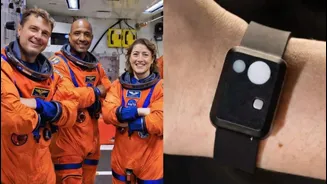
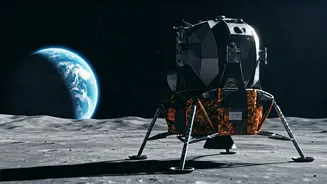
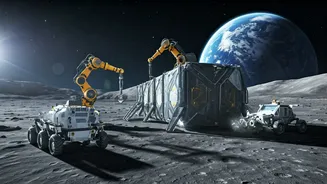
on the development of surface infrastructure. This strategic pivot means that existing plans for the Gateway space station and hardware contributions from international partners will be re-evaluated and repurposed to support the construction of bases and other essential systems directly on the Moon's surface. The agency's objective is to create a more achievable and streamlined path for human exploration and eventual sustained presence on the lunar regolith. This decision comes at a critical juncture, just before the highly anticipated Artemis 2 mission, which will send astronauts on a flight around the Moon. The new approach prioritizes tangible surface assets like crewed and uncrewed landers, versatile rovers, and robust habitats to facilitate a more direct and efficient return to lunar exploration.
Accelerated Timeline
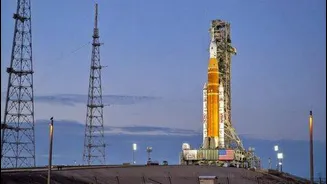
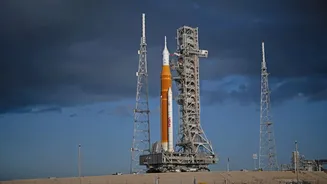
The revised Artemis program outlines an accelerated timeline for lunar missions, targeting 2027 for Artemis 3 to conduct integrated operational tests of the Orion spacecraft and the program's lunar landers in Earth orbit. This will pave the way for the first lunar landing attempt in 2028 with Artemis 4, explicitly excluding a rendezvous with the Gateway. A key driver for this change is the inherent complexity and fuel constraints associated with a Gateway orbit, which posed challenges for lander operations descending to and ascending from the lunar surface. By bypassing the orbital station, NASA aims to simplify the mission architecture and reduce logistical hurdles, making the overall program more manageable and efficient. This strategic re-prioritization reflects a desire to expedite human footsteps back onto the Moon and establish a more rapid cadence of exploration and development.
Phased Lunar Base Development
NASA's vision for a lunar base is now being developed in three distinct phases, designed to culminate in a sustained human presence by the end of the decade, with an estimated cost of approximately $20 billion. Phase one will concentrate on expanding robotic exploration and initial surface landings through initiatives like the Commercial Lunar Payload Services (CLPS) and Human Landing System (HLS) programs. This phase will involve deploying rovers and landers to test crucial technologies for short-term crewed missions, including power, communications, and navigation systems. The second phase introduces semi-habitability with modules and routine logistics, enabling longer duration stays and leveraging significant contributions from international partners, such as a pressurized rover from JAXA. The ultimate goal of phase three is to establish permanent infrastructure capable of supporting long-duration habitation, facilitated by enhanced cargo capabilities from commercial landing systems, thereby solidifying a continuous human presence on the Moon.
Strategic Rationale and Competition
The decision to de-emphasize the Gateway and focus on surface infrastructure is driven by a strategic imperative to streamline operations, enhance safety, and demonstrate technological advancements more effectively on the lunar surface. NASA Administrator Jared Isaacman highlighted the need to compete with China's burgeoning lunar ambitions, framing the program's evolution as a crucial step in maintaining American leadership in space. By prioritizing direct surface operations, NASA can more readily test and deploy technologies vital for a long-term presence, such as power generation and life support systems, in the actual lunar environment. This pragmatic approach also allows for the repurposing of resources and expertise towards more immediate and impactful lunar surface objectives, rather than investing heavily in an orbital station that introduces complexities for surface access. While the Gateway is not entirely abandoned, its role is being reassessed for potential future contributions to surface-based systems or other program needs.