





Resource Depletion Crisis
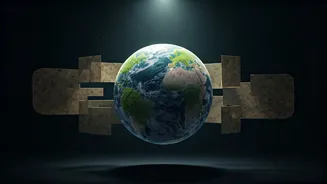
The planet's capacity to provide resources is being outstripped by human demand, a critical issue highlighted by a recent study. Research indicates we
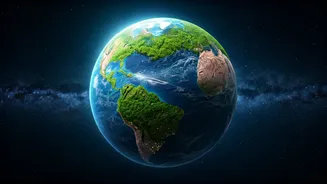
are consuming vital resources at a rate 70% to 80% faster than they can be naturally regenerated. This unsustainable pace means that if we continue with our present lifestyles, we would effectively need approximately 1.7 to 1.8 Earths to meet our needs indefinitely. This alarming imbalance is not a new phenomenon but has been steadily escalating, pushing ecological systems beyond their breaking point and creating a significant deficit in natural capital.
Population and Consumption Dynamics
A comprehensive study, analyzing population trends over two centuries, pinpoints the post-1950s as a pivotal period of change. Prior to this era, the growth of human population and resource consumption remained relatively harmonized with the Earth's regenerative capabilities. However, rapid industrialization and escalating consumerism following the mid-20th century disrupted this equilibrium. Researchers project that under current trends, the global population may reach a peak of between 11.7 and 12.4 billion people by the late 2060s or 2070s. This phase is characterized by a shift where adding more individuals does not necessarily correlate with faster overall growth, but rather signifies an increasing strain on planetary resources.
Ecological Debt and Its Consequences
The continuous strain on Earth's finite resources results in what is termed 'ecological debt.' This deficit manifests in a range of severe environmental challenges, including accelerating climate change, a dramatic loss of biodiversity, widespread deforestation, and the rapid depletion of essential natural resources. The study emphasizes that the planet is already struggling to cope with current demand, let alone accommodate further increases without significant systemic changes. The cumulative effect of this ecological debt poses a substantial threat to the planet's ability to support life in the future, impacting ecosystems and human well-being alike.
A Balanced Population Vision
The research also explores the theoretical population size that Earth could sustainably support. According to the study's lead researcher, a truly balanced global population would be significantly smaller, closer to levels observed in the mid-20th century. Calculations suggest that a sustainable global population would be around 2.5 billion people, assuming everyone lived within ecological limits while maintaining comfortable and economically secure living standards. This figure underscores the vast disparity between our current trajectory and a more harmonious coexistence with nature.
Consumption: The Hidden Driver
Beyond the sheer number of people, the study critically highlights the significant role of consumption patterns in driving planetary pressure. It is not solely the size of the population that dictates environmental impact, but also the intensity of resource use per capita. A smaller population with high consumption levels can exert a greater strain on the Earth than a larger population with more modest consumption habits. Wealthier nations, often characterized by higher consumption rates, are therefore identified as a crucial element in this complex equation. Addressing this issue requires a nuanced approach that considers both population dynamics and individual consumption behaviors.
Urgent Need for Global Action
The findings underscore a pressing need for transformative changes in both population growth management and global consumption habits. The study's author advocates for a recognition that smaller populations coupled with reduced consumption lead to superior outcomes for both humanity and the planet. While the window for significant intervention is narrowing, the possibility of achieving meaningful change remains if nations collaborate effectively. The decisions made in the coming decades will profoundly shape the future well-being of subsequent generations and the resilience of the natural systems that sustain all life on Earth.