





The Viral Nine-Dot Technique
In the contemporary digital landscape, social media platforms have emerged as potent arenas for learning and fostering creativity, particularly for younger
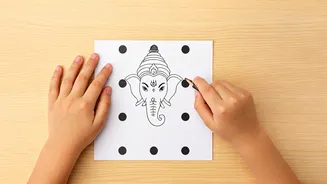
generations. A recent post on X, formerly known as Twitter, has rapidly gained traction and captured the admiration of many online users by transforming the art of drawing into an enjoyable and straightforward educational activity for children. The post showcased an incredibly uncomplicated illustration demonstrating how a sequence of precisely nine dots can be artfully developed into an endearing sketch of Lord Ganesha. This approach effectively renders the process of art creation both intriguing and readily achievable for kids. The accompanying caption, "How to draw Ganesha in just 9 dots? Save it and teach your kids!", appears to resonate strongly with individuals who have encountered this delightful tutorial, indicating a widespread intention to share and utilize this creative method. This ingenious idea serves a dual purpose: it is not only captivating but also profoundly educational, offering children the opportunity to hone their fine motor skills and improve their concentration while engaging in the artistic process. The accessibility of this method via online platforms ensures that it can be easily saved and revisited, making it a practical resource for parents and educators alike.
Beyond Simple Doodling
The appeal of this nine-dot drawing technique extends far beyond mere amusement; it offers tangible developmental benefits for children. As parents have shared in the comment sections of the viral post, innovative approaches like this play a crucial role in curbing the amount of time children spend passively scrolling through their devices, redirecting their attention towards constructive and engaging activities. Many individuals have attested to having personally implemented this drawing method with their own children, reporting overwhelmingly positive outcomes. They have observed that their children were able to grasp and execute the art of drawing Ganesha with remarkable ease and proficiency, often much faster than anticipated. This success highlights the effectiveness of visual learning combined with simplified steps. The positive feedback emphasizes how such creative online content can significantly contribute to a child's cognitive development and fine motor coordination, transforming screen time into a productive and enriching experience that parents can actively participate in.
Online Learning's Power
The enthusiastic reactions from users have flooded the social media page, with fans lavishing praise on the tutorial, describing it with terms such as "Superb" and "creative." The positive sentiment is further amplified by heartfelt messages, including one fan who expressed, "Thank you so much for sharing! Jai Shree Ganesha." The popularity of this particular guide has also led to numerous further requests from users eager for more drawing tutorials, indicating a strong demand for similar educational art content. This overwhelming positive response underscores the viral video's success in capturing the hearts and minds of social media audiences. Ultimately, this instance powerfully illustrates the immense potential of leveraging the internet as an invaluable educational resource for children, provided it is utilized judiciously and with purpose. Content that strikes a balance between simplicity and educational value can be exceptionally beneficial in nurturing creativity and, furthermore, in strengthening the bond between parents and children through shared creative endeavors and collaborative activities.