







Embrace Fatty Fish
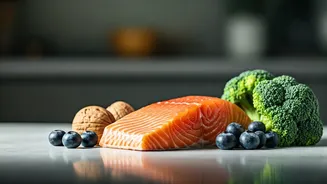
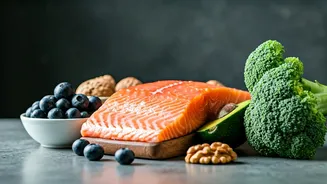
Prioritizing wild-caught fatty fish is a cornerstone of Dr. Lord's brain-healthy diet. These aquatic powerhouses are brimming with omega-3 fatty acids,
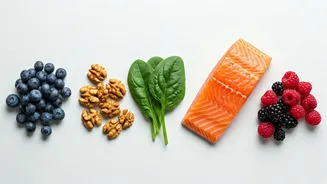
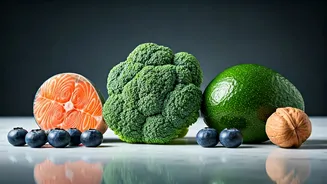
essential fats renowned for their potent anti-inflammatory properties. When selecting fish like salmon, grouper, and halibut, opting for wild varieties over farm-raised ensures a cleaner nutritional profile, as farm-raised fish may consume less desirable feed. These healthy fats play a critical role in maintaining the integrity of brain cell membranes and can help mitigate inflammatory processes that may contribute to cognitive decline. Incorporating these fish a few times a week can provide a substantial boost to your brain's health and resilience, supporting everything from memory to mood regulation.
Green Powerhouse Veggies
Leafy greens are non-negotiable for optimal brain function, according to Dr. Lord. He emphasizes that these vibrant vegetables, including favorites like bok choy, asparagus, and broccolini, are packed with essential nutrients such as fiber, folate, lutein, and beta-carotene. These compounds work synergistically to support various aspects of brain health. The neurologist recommends preparing them through gentle methods like steaming, blanching, or sautéing, often with a drizzle of olive oil and a hint of garlic. The fiber content is particularly important, as it fuels a healthy gut microbiome, which has a significant and positive impact on overall brain function and well-being. Eating these greens regularly is a simple yet effective way to bolster your brain's defenses.
The Mighty Tomato
Don't underestimate the humble tomato; Dr. Lord highlights its remarkable benefits for the brain. These vibrant red fruits are a rich source of lycopene, a potent antioxidant that, much like beta-carotene, acts as a formidable defender against cellular damage. Antioxidants are crucial in neutralizing harmful free radicals, thereby combating oxidative stress and inflammation that can lead to neurodegeneration. Dr. Lord particularly enjoys larger grape or mandarin-sized tomatoes for their versatility. They can be a refreshing addition to salads, quickly stewed into sauces for lean proteins, or enjoyed as a simple appetizer with mozzarella and basil. Their lycopene content helps protect brain cells, contributing to long-term cognitive health.
Walnuts & Berries
For a smart snack choice, Dr. Lord suggests reaching for a handful of walnuts and berries, steering clear of less nutritious fried options. Walnuts stand out among nuts for their superior omega-3 to omega-6 fatty acid ratio, making them a top-tier brain food. Blueberries, another daily staple for the neurologist, are celebrated for their abundance of flavonoids. These powerful antioxidants and anti-inflammatory molecules are instrumental in mitigating the negative effects of stress on the brain. A fantastic way to incorporate both is through a breakfast of overnight steel-cut oats topped with fresh berries and walnuts. A pinch of salt can enhance the oat's flavor, making this meal both delicious and exceptionally brain-boosting.
Coffee and Tea
Your morning ritual of coffee or tea offers more than just a wake-up call; it's a significant contributor to brain health. Dr. Lord consumes tea almost daily, recognizing it as a rich source of phytonutrients that benefit brain metabolism. Coffee beans, essentially dried and roasted berries, also contribute valuable compounds. Both beverages are replete with flavonoids, which can improve glycemic control, a factor linked to better brain function. Furthermore, the caffeine present in both coffee and tea is known to enhance concentration and may reduce the risk of dementia. However, Dr. Lord advises mindful consumption, emphasizing that moderation is key to reaping these neurological benefits.