








Essential Ingredients
To craft Sanjeev Kapoor's renowned Gujarati Khandvi, begin by gathering the core components. You'll need one cup of gram flour, also known as besan, which
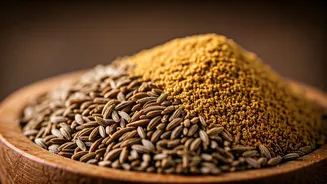
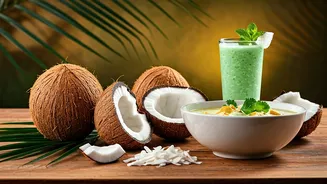
forms the base of this delicate snack. Complementing this, have on hand half a cup of yogurt or buttermilk for the batter's consistency, along with one teaspoon of ginger-garlic paste and half a teaspoon of turmeric powder for that signature flavor and color. A quarter teaspoon of asafoetida (hing) is crucial for its unique aroma and digestive properties, while salt should be added to your personal taste. For the flavorful tempering, prepare to use two tablespoons of oil, one teaspoon each of mustard seeds and cumin seeds, and a few curry leaves. Optionally, you can include two tablespoons of chopped coriander and two tablespoons of grated coconut for garnish, adding an extra layer of freshness and texture to the finished dish.
Crafting the Batter
The journey to delicious Khandvi begins with meticulously preparing the batter. In a mixing bowl, combine the gram flour, water, and yogurt. Whisk these ingredients thoroughly until you achieve a completely smooth consistency, ensuring no lumps remain, which is vital for a refined texture. Introduce the ginger-garlic paste, turmeric powder, red chili powder (if using), and asafoetida into the mix. Season with salt to your preference. Whisk everything together until it’s a homogenous blend. This smooth, lump-free base is essential for the crepes that will form the Khandvi rolls. A well-prepared batter is the foundation for achieving that signature melt-in-mouth quality that makes this dish so beloved.
Cooking the Crepes
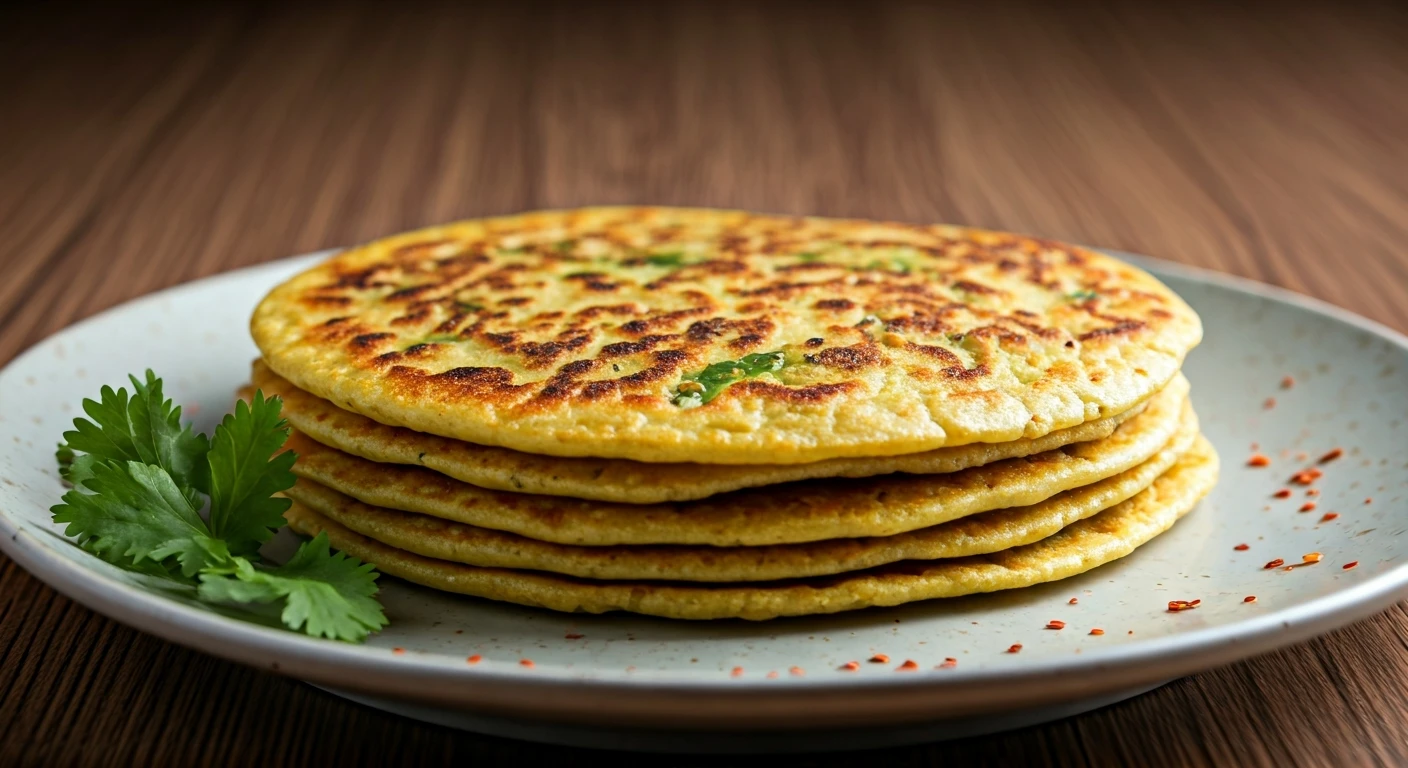
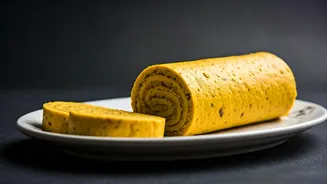
Now, it's time to transform the batter into delicate crepes. Heat a non-stick pan or a well-greased thawa over medium heat. Once warm, pour a ladleful of the batter onto the surface. Swiftly spread it thinly, aiming for a crepe-like consistency, similar to how you would prepare a thin dosa. Allow this to cook for approximately two to three minutes. You'll know it's ready when the edges begin to gracefully lift from the pan. This indicates that the crepe has set sufficiently. Immediately, and with care, begin to roll the cooked crepe from one end to the other, forming a tight, compact log. Repeat this entire process with the remaining batter, creating individual Khandvi rolls.
Tempering and Garnishing
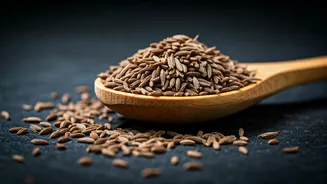
The final flourish to your Khandvi involves a vibrant tempering and a fresh garnish. Once all the crepes have been rolled and have cooled slightly, prepare the tempering. In a small pan, heat two tablespoons of oil. Add one teaspoon of mustard seeds and one teaspoon of cumin seeds. Let them splutter, releasing their aromatic oils. Next, introduce the curry leaves and slit green chilies, sautéing them for just a few seconds until fragrant. Drizzle this aromatic tempering generously over the rolled Khandvi pieces. To finish, sprinkle with two tablespoons of chopped fresh coriander leaves and, if desired, two tablespoons of grated coconut for an added touch of freshness and texture. Serve this delightful snack hot or at room temperature, perhaps with a side of green or tamarind chutney.