







Digestive Distress Common
GLP-1 agonists, a group of medications initially designed to manage Type 2 diabetes by regulating blood sugar, appetite, and digestion, are now widely
recognized for their efficacy in aiding weight loss. A primary mechanism involves slowing down the rate at which the stomach empties its contents and influencing the body's hunger signals. This direct impact on the digestive system frequently leads to noticeable gastrointestinal disturbances, particularly during the initial phase of treatment as the body adapts to the medication. The most frequently reported adverse effects include feelings of nausea, episodes of vomiting, and changes in bowel habits, manifesting as either diarrhea or constipation. These symptoms are typically most pronounced in the first few weeks of therapy, gradually subsiding for many users as their system adjusts.
Muscle Mass Concerns
While the goal of these medications is significant weight reduction, a critical consideration is the potential for muscle mass loss alongside fat. Rapid weight decline, if not accompanied by adequate protein intake and consistent physical activity, can result in a decrease in lean muscle tissue. This can impact overall metabolism and physical strength. Therefore, it is crucial for individuals undergoing weight loss with GLP-1 agonists to prioritize a balanced diet rich in protein and incorporate regular exercise to preserve muscle integrity. This ensures that weight loss is primarily fat-based rather than detrimental to essential muscle development and maintenance.
Blood Sugar Imbalances
For individuals who do not have diabetes, the use of GLP-1 agonists can, in some instances, lead to an unintended drop in blood sugar levels, a condition known as hypoglycemia. This can manifest through a range of symptoms, including feelings of dizziness, profound weakness, and confusion. Maintaining stable blood sugar is vital for cognitive function and physical energy. Therefore, it's important for users, especially those without pre-existing diabetes, to be aware of these potential fluctuations and monitor their well-being closely. Medical consultation is recommended to assess individual risk factors and manage any emergent symptoms effectively.
Eye Health Complications
In certain individuals, particularly those already managing diabetic complications, GLP-1 agonists may exacerbate existing eye conditions. Specifically, these medications have been linked to a worsening of diabetic retinopathy, a serious condition that affects the blood vessels in the retina and can lead to vision impairment. This underscores the importance of comprehensive eye health monitoring for anyone with diabetes who is using these drugs for blood sugar control or weight management. Regular check-ups with an ophthalmologist are essential to detect and address any changes promptly, safeguarding vision.
Gallbladder Health Risks
Research indicates a potential increased susceptibility to gallbladder-related issues, including the formation of gallstones, when using GLP-1 agonists. This risk appears to be more pronounced in cases of rapid or substantial weight loss. The sudden reduction in body mass can alter the composition of bile, creating conditions conducive to gallstone development. Individuals experiencing significant weight loss through medication should be vigilant for symptoms associated with gallbladder problems, such as severe upper abdominal pain, and discuss this risk with their healthcare provider.
Pancreatitis Alerts
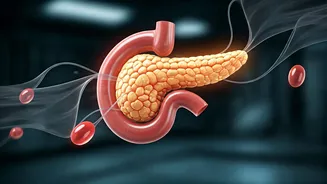
Although infrequent, there have been reported instances of inflammation of the pancreas, a condition known as pancreatitis, among users of these weight loss medications. Pancreatitis can cause severe and debilitating abdominal pain. It is a serious medical condition that requires immediate attention. Individuals using GLP-1 agonists should be educated about the signs of pancreatitis and seek prompt medical evaluation if they experience intense abdominal discomfort. Vigilance for this rare but significant side effect is crucial for patient safety.
Rare Severe Outcomes
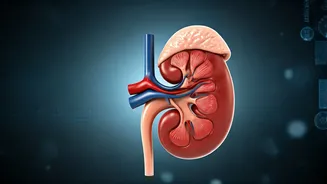
Beyond the more common side effects, GLP-1 based weight loss drugs are associated with certain rare but potentially severe risks. These include a link to medullary thyroid cancer, a specific type of thyroid tumor, and acute kidney injury, which involves a sudden loss of kidney function. Given the gravity of these potential outcomes, continuous medical supervision throughout the course of treatment is absolutely essential. Healthcare professionals can monitor patients for any early warning signs, ensuring timely intervention and mitigating risks associated with these serious adverse events.
Long-Term Uncertainties
As GLP-1 agonists continue to gain traction for their role in weight management, particularly among individuals who do not have diabetes, there remains a degree of uncertainty regarding their long-term effects. Experts emphasize that comprehensive studies examining the prolonged impact of these medications on health are still ongoing. This is especially true for the non-diabetic population, where the body's metabolic responses may differ. Continued research is vital to fully understand the safety profile and potential consequences of using these drugs over extended periods.