







Initial Hearing Challenges
The journey towards clearer hearing often begins with acknowledging a problem. Individuals might initially notice subtle signs of hearing loss, such as
difficulty understanding conversations in noisy environments or frequently asking people to repeat themselves. These initial challenges can evolve over time, potentially leading to social isolation and frustration. The slow progression of hearing loss sometimes masks the severity of the issue, making people hesitant to seek help. This situation necessitates an awareness of the early signs, motivating individuals to explore solutions that can improve their quality of life. Understanding the significance of early intervention is essential for effective management and overall well-being. Recognizing these early signs can also help to avoid the more significant problems that come with untreated hearing loss.
Technology Integration
A core feature of the newer hearing aids is their seamless integration with smartphones. This aspect significantly elevates the user experience. Through Bluetooth connectivity, users can stream audio directly from their smartphones, including music, podcasts, and phone calls, enhancing their overall auditory experience. Furthermore, smartphone apps allow users to adjust settings, customize sound profiles, and remotely control their hearing aids. The ability to fine-tune these devices contributes to personalized hearing solutions. Many hearing aids come with features to filter background noise and improve speech clarity. This creates a clearer and more enjoyable listening experience. This integration of technology makes managing hearing health more intuitive and user-friendly.
Crystal Clear Results
The shift to modern hearing aids often results in a profound improvement in sound clarity. Users describe sounds that were once muffled or distorted as becoming sharp and distinct. This clarity enhances the ability to comprehend conversations and appreciate the richness of everyday sounds. The improvement in sound quality also aids in reducing listening fatigue. The change fosters a greater sense of confidence in social settings and enhances the ability to participate fully in various activities. This newfound clarity often leads to a higher quality of life, allowing individuals to connect more effectively with others and enjoy a more comprehensive auditory experience. The positive shift can also boost mental well-being and a feeling of greater connection.
Design and Discretion
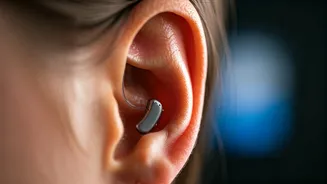
One of the key advancements in hearing aid technology is the design of these devices, focusing on discretion and aesthetics. The nearly invisible design is a significant advantage, with many models fitting discreetly inside the ear canal. This invisibility helps in reducing the stigma associated with wearing hearing aids. The small size makes them comfortable to wear for extended periods, encouraging regular use. The design improvements allow users to feel more confident in social situations, without the distraction of visible devices. The focus on aesthetics allows users to prioritize their hearing health without compromising their sense of self. This blend of functionality and discretion highlights how hearing aid design has evolved to meet the needs and preferences of modern users.
User Experience Summary
Overall, the user's experience with these hearing aids underscores their effectiveness and benefits. The improvements in sound quality were a central element of the positive experience. The ease of use, with smartphone integration, enhanced the user's interaction with the devices. The user experience is further enhanced by the devices' inconspicuous design, which aids in reducing social anxiety. Many users who switch to these new aids report greater satisfaction, an increased ability to engage in conversations, and a general enhancement of their daily lives. The story shows how technological advances can positively affect health and well-being. User testimonials underscore the value of the latest hearing aid technologies in improving the quality of life.