







Sound's Healing Power
The exploration of sound as a potential therapeutic agent is gaining traction, particularly in the realm of neurological disorders. The idea is simple:
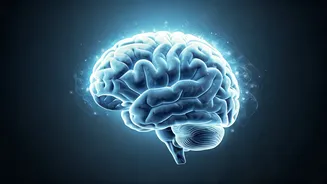
auditory stimulation, carefully calibrated, could influence brain activity in ways that benefit conditions like Alzheimer's disease. The human brain is incredibly responsive to sound, processing it in ways that can affect mood, memory, and even cognitive function. The application of sound therapy isn’t just about listening to music; it involves a sophisticated understanding of how specific frequencies and patterns might stimulate the brain and trigger positive changes. Researchers believe that certain sounds could potentially help to slow the progression of the disease, manage symptoms, or perhaps even promote neuroplasticity – the brain's ability to reorganize itself by forming new neural connections throughout life. Sound therapy offers a non-invasive, potentially accessible approach that could complement existing treatments and significantly improve the quality of life for those living with Alzheimer's. The potential for such therapy is encouraging, opening new avenues of exploration in the fight against this debilitating disease.
Targeting Alzheimer's Brain
Alzheimer’s disease is characterized by the accumulation of amyloid plaques and neurofibrillary tangles, leading to neuronal damage and cognitive decline. Researchers are investigating how sound therapy might counteract these effects. Specific frequencies and sound patterns are being designed to stimulate brain regions affected by Alzheimer's. One area of focus is the hippocampus, a brain region critical for memory formation. Studies are examining whether auditory stimulation can help reactivate or strengthen neural pathways within the hippocampus. Another goal is to reduce the inflammation and oxidative stress associated with Alzheimer's. Sound frequencies are being explored that could modulate the immune response within the brain, potentially slowing down the disease's progression. Also, some research is looking at how sound therapy can influence brainwave activity. Brainwaves are electrical impulses that coordinate brain function. Specific auditory stimulation might promote brainwave patterns, which are associated with improved cognitive function and a sense of calm. These innovative approaches aim to address the underlying causes of Alzheimer's and to offer a more holistic treatment strategy.
Current Research Efforts
Various clinical trials and studies are underway to explore the efficacy of sound therapy in managing Alzheimer's. Some studies focus on the impact of music on mood, memory, and behavior. Others concentrate on using specifically designed sound frequencies to stimulate targeted brain regions. For instance, some research is evaluating the effectiveness of customized musical interventions in improving cognitive performance and reducing anxiety in Alzheimer's patients. Some studies are employing auditory stimulation devices, which deliver specific sound patterns directly to the brain. These studies often involve detailed assessments, including cognitive tests, brain imaging, and behavioral evaluations. The purpose is to understand how different types of sound therapy affect brain structure and function. Results from these research initiatives are still emerging. Yet, preliminary findings suggest that sound therapy might have certain benefits, such as improving sleep quality, reducing agitation, and enhancing overall quality of life. The challenges include the need for large-scale clinical trials and the difficulty in standardizing sound therapy protocols across different patient populations. However, the scientific interest in the subject is increasing, and it is anticipated that more evidence will be available in the coming years.
Benefits and Challenges
Sound therapy possesses several potential benefits. It is a non-invasive treatment that carries a low risk of adverse effects. It can be easily integrated into daily life. It may also provide a cost-effective alternative to drug therapies, which is particularly relevant in healthcare systems. Moreover, sound therapy may have a positive impact on patients' emotional well-being, as certain types of music or soundscapes can alleviate anxiety and depression. However, significant challenges must be addressed. The efficacy of sound therapy may vary depending on the individual, the stage of the disease, and the specific sound protocols used. Furthermore, more research is needed to determine the optimal frequencies, durations, and intensities of auditory stimulation. Another challenge is the need for personalized approaches to sound therapy. Because each individual experiences Alzheimer's uniquely, the sound therapy must be tailored to the specific needs of each patient. Finally, establishing standardized protocols and guidelines is essential to ensure that sound therapy is administered safely and effectively.
The Future of Therapy
The future of sound therapy as a treatment for Alzheimer's looks promising. As research continues to advance, we are likely to see more sophisticated applications of this therapy. Innovation in technology could lead to the development of wearable devices and personalized sound systems that can be easily integrated into patients' lives. These technologies could automatically adjust sound frequencies and intensities according to the patient's specific needs and responses. Additionally, combining sound therapy with other treatments, such as medication, physical therapy, and cognitive training, could create a more holistic approach to managing Alzheimer's. Also, as our understanding of brain function improves, sound therapy protocols will be refined to target specific brain regions and pathways with greater precision. This targeted approach could enhance the effectiveness of the therapy and reduce the risk of adverse effects. This field of research is evolving rapidly, and in the coming years, we might see sound therapy become an essential component of Alzheimer's care, offering hope for millions affected by this disease.