



Fueling Deep Space
Embarking on extended journeys into the cosmos, like NASA's Artemis program aimed at returning humans to the Moon and the ambitious endeavor of crewed
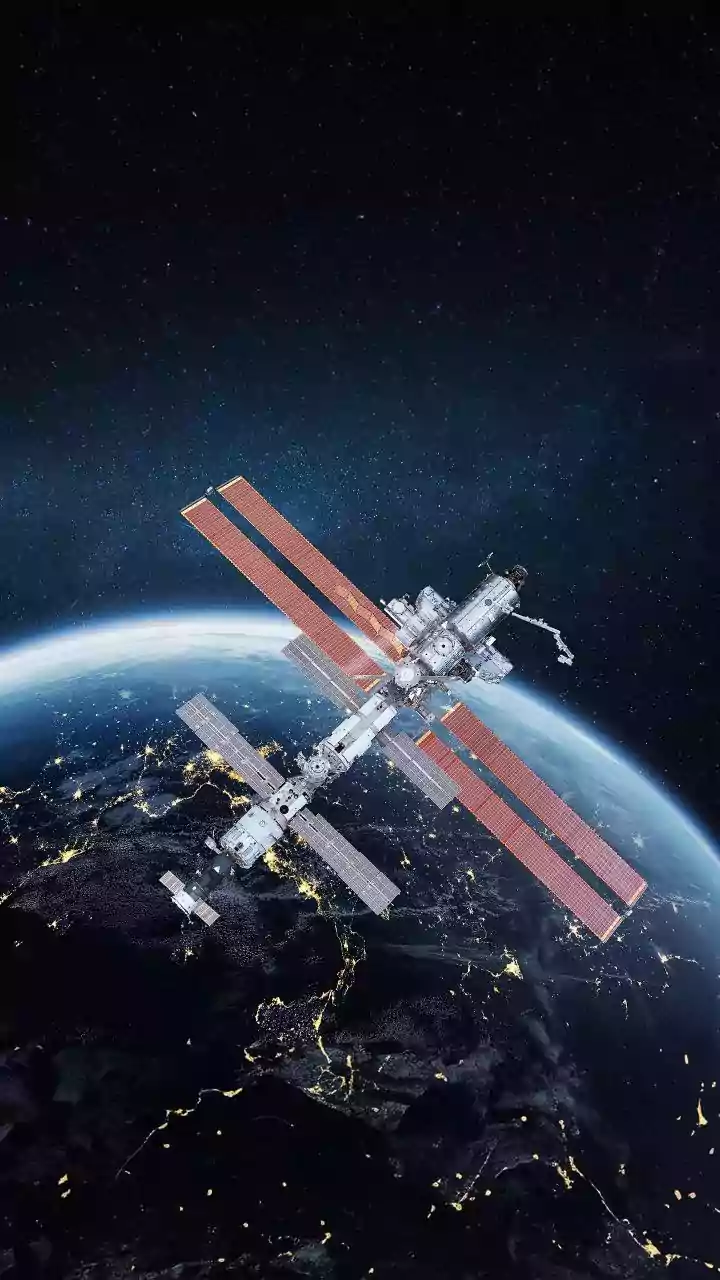
missions to Mars, hinges on overcoming a significant hurdle: the management of cryogenic fuels. These super-chilled liquids demand stringent temperature regulation to prevent evaporation, a challenge amplified in the vacuum of space. Beyond mere storage, the ability to transfer these volatile propellants between spacecraft in orbit is paramount. This capability is set to be rigorously tested by a new NASA satellite, in collaboration with Eta Space, with the ultimate goal of establishing orbital refueling stations. Such depots are envisioned as essential infrastructure for spacecraft designed for prolonged deep space objectives, playing a critical role in achieving NASA's lunar ambitions and beyond. This initiative is a collaborative effort involving experts from NASA's Marshall Space Flight Center, Glenn Research Center, and Kennedy Space Center (KSC), all working towards a common goal of enabling sustained space exploration.
The LOXSAT Mission
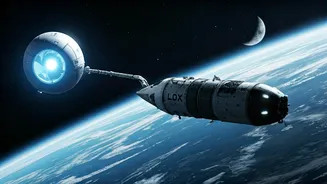
The Liquid Oxygen Flight demonstration, or LOXSAT, is a pioneering mission scheduled to ascend into Earth's orbit this summer, no earlier than July 17, from New Zealand via a Rocket Lab Electron launch vehicle carrying a Photon satellite bus. This nine-month endeavor is specifically designed to scrutinize eleven distinct components related to cryogenic fluid management within the microgravity environment. The objective is to gather comprehensive data that will refine and mature the technologies required for scaling up these capabilities. NASA has articulated that these orbital propellant depots could eventually function as "essentially gas stations in space that could support long-term exploration." The insights gained from LOXSAT are crucial for advancing the feasibility of such depots, which are indispensable for the success of future deep space exploration ventures, including prolonged stays on the lunar surface and crewed missions to other celestial bodies.
Lunar Lander Propellants
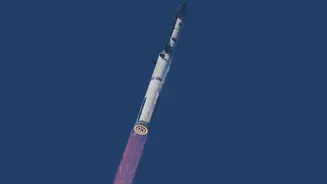
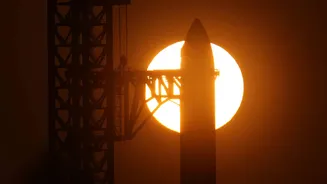
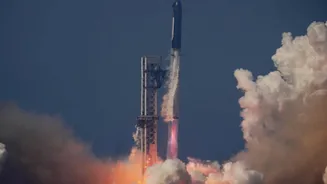
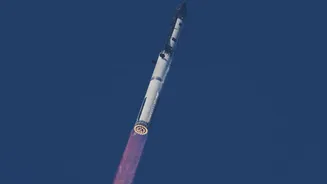
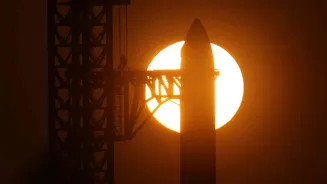
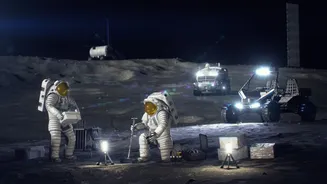
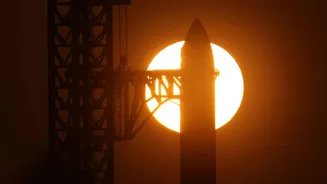
The success of the Artemis lunar missions, particularly the ambitious goal of sustained lunar surface operations by 2030, is intrinsically linked to the effective management of cryogenic fuels. Both lunar landers commissioned under NASA's Human Landing System contracts rely heavily on these super-chilled propellants, and their missions, which involve landing astronauts on the Moon and returning them safely to lunar orbit, necessitate on-orbit refueling. These landers utilize liquid oxygen as their oxidizer. For instance, SpaceX's Starship employs a mixture of liquid oxygen and methane (methalox), while Blue Origin's Blue Moon lander utilizes liquid oxygen and liquid hydrogen (hydrolox). Both of these propellant combinations require continuous cryogenic refrigeration to maintain their liquid state. However, neither of these landers, nor any other spacecraft to date, has conclusively demonstrated the ability to manage the long-term storage of these cryogenic fuels in space or to transfer them between vehicles. LOXSAT aims to be the first to tackle these challenges.
Rendezvous and Refueling
As the Artemis program progresses, a key milestone is the Artemis 3 mission, slated for late 2027. This mission will transport four astronauts into low Earth orbit (LEO) to practice vital rendezvous and docking maneuvers between their Orion spacecraft and one or both of the program's commissioned lunar landers. NASA has indicated a flexible approach, stating that the agency will proceed with whichever lander is ready at the time of launch, even if it means one is left on Earth. By the time Artemis 3 is planned to launch, LOXSAT is expected to have concluded its on-orbit demonstrations. If successful, the data gathered by LOXSAT will provide invaluable insights for SpaceX and Blue Origin, aiding their efforts in mastering cryogenic fuel management in microgravity. Ultimately, this could pave the way for the development of operational orbital refueling stations, a critical component for supporting not only the Artemis missions to the Moon but also future crewed expeditions to Mars and other distant cosmic destinations.