



Spice Symphony Begins
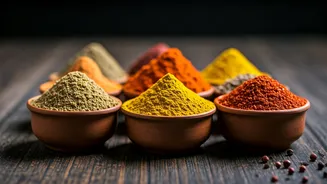
The cornerstone of Indian cooking is its intricate use of spices. These aren't just for flavor; they play a vital role in health and digestion. Common
ingredients, like turmeric (for its anti-inflammatory benefits), cumin, coriander, and garam masala (a blend of warming spices), are frequently used. The way spices are used is equally vital. Some are bloomed in hot oil (tadka) to release their flavors, others are ground fresh to enhance dishes. The combinations and proportions vary regionally, producing a spectrum of tastes from the fiery curries of the south to the milder, creamier dishes of the north. This variety reflects India's diverse cultural influences and culinary traditions, making each meal a unique experience.
Regional Taste Explorations
India's regions offer a diverse range of tastes and styles. South Indian cuisine, for instance, often features rice-based dishes like idli and dosa, served with sambar and coconut chutney. The use of tamarind adds a tangy element, while curry leaves impart their distinct aroma. The coastal areas emphasize seafood, using coconut milk and spices. Moving north, you encounter richer, creamier gravies often thickened with cashew paste or yogurt. Tandoori cooking, originating from the northwest, is well-known for its smoky flavors. In the East, you'll find the subtle use of spices, with the emphasis on fresh ingredients and flavors from neighboring countries such as Bangladesh and Myanmar.
Cooking Methods Unveiled
Indian cooking uses various techniques that bring out different flavors and textures. Stir-frying, deep-frying, and grilling are common methods. The tandoor, a cylindrical clay oven, is used for roasting meats and baking naan, providing a distinctive smoky taste. Slow cooking is also essential, allowing spices to meld and develop complex flavors, especially in curries and stews. Another important technique is the tempering (tadka) of spices. Spices are heated in oil to release their flavor before adding them to a dish. This creates an aromatic base for dals (lentils) and vegetables. The methods used in combination with the specific ingredients of each dish create unique textures and taste profiles.
Iconic Dishes Spotlight
Several dishes have become global symbols of Indian cuisine. Butter chicken, with its creamy tomato-based sauce, is a beloved dish from the North. Biryani, a flavorful rice dish layered with meat or vegetables and aromatic spices, varies across regions. The street food scene offers chaat, like the tangy and spicy pani puri and samosas, a deep-fried pastry filled with potatoes and peas. These iconic foods reflect a combination of flavors, each dish presenting a different taste sensation, from sweet to savory to spicy. They offer a taste of the country's diverse culinary influences.
Ingredient Deep Dive
Indian cooking hinges on fresh, high-quality ingredients. Pulses and lentils (dals) are important protein sources and form the base for many curries and stews. Rice, particularly basmati, is a staple, accompanying most meals. Vegetables like potatoes, cauliflower, and spinach are used extensively. Spices are the heart of the food, giving unique flavours and health benefits. Dairy products, like ghee (clarified butter), yogurt, and paneer (Indian cheese), are also important. The combination of all these elements is essential, allowing for a variety of tastes and textures that appeal to a wide range of tastes.
Cultural Significance Matters
Food plays a major role in Indian culture, going beyond basic nutrition. It is a central element in celebrations, festivals, and social gatherings. Meals are often shared, fostering a sense of community. The preparation and serving of food are considered an act of hospitality, with guests often treated to an array of dishes. Religious beliefs often influence dietary habits, with many people observing vegetarianism. The presentation of food is also vital. The vibrant colors, diverse textures, and the aromas emanating from the food make for a sensory experience that adds to the cultural aspect of food in India.