


Swallowing Concerns
Chia seeds possess an extraordinary ability to absorb liquids, swelling up to 10 to 12 times their initial weight. This remarkable property, while beneficial
when managed, presents a significant risk for individuals who already struggle with swallowing or have conditions causing a narrowed esophagus. Consuming chia seeds in their dry form can lead to rapid expansion within the throat upon encountering moisture, potentially causing a serious blockage. Therefore, a critical preventative measure for everyone, but especially those with pre-existing swallowing issues, is to ensure the seeds are adequately hydrated and softened before ingestion. This simple step transforms a potential hazard into a manageable dietary component, highlighting the importance of preparation over avoidance for most.
Sudden Fibre Overload
For those accustomed to a lower fiber intake, a sudden introduction of chia seeds can be overwhelming for the digestive system. Just two tablespoons of these seeds pack nearly 10 grams of fiber. This rapid surge can result in uncomfortable symptoms like bloating, excessive gas, and general digestive distress. Individuals managing conditions such as Irritable Bowel Syndrome (IBS) may find these effects even more pronounced. The key here is gradual integration. Instead of drastically altering your diet, it's advisable to introduce chia seeds incrementally, allowing your digestive system time to adapt to the increased fiber load. This measured approach helps unlock the benefits of chia seeds without triggering unpleasant side effects.
Blood Thinners Caution
People currently on blood-thinning medications need to exercise caution when considering chia seeds. These seeds are a source of alpha-linolenic acid (ALA) omega-3 fatty acids, which possess a mild antiplatelet effect. This characteristic can potentially amplify the effects of anticoagulant or antiplatelet drugs, increasing the risk of bleeding. While not an outright ban, it is essential for individuals in this category to consult with their healthcare provider. A doctor can assess the individual's specific situation, medication regimen, and the potential interactions before chia seeds are incorporated into the diet, ensuring safety and informed consumption.
Gut Motility Issues
Individuals experiencing severe gut motility disorders may also need to be wary of chia seeds. The gel-like consistency that chia seeds form when hydrated, a characteristic that typically aids in the smooth passage of digestive contents, might not be well-tolerated by everyone. Conditions like gastroparesis, where the stomach empties slowly, or those at a higher risk of intestinal obstruction could find this soluble fiber difficult to process. The gel-forming nature, while beneficial for some, could potentially exacerbate issues for those with compromised gastrointestinal movement or a predisposition to blockages, necessitating a careful evaluation of personal health status.
Allergies and Safe Consumption
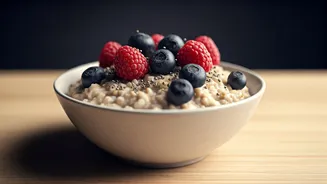
Though rare, seed allergies are a valid reason for avoiding chia seeds, as they can trigger adverse allergic reactions in susceptible individuals. Beyond specific allergies, Dr. Sethi emphasizes that for the majority of the population, chia seeds are exceptionally beneficial, offering a rich blend of soluble and insoluble fibers, omega-3s, polyphenols, and prebiotic support for gut health. The overarching recommendation for safe and effective consumption across the board is simple: always hydrate the seeds. By soaking them in water, yogurt, or smoothies for at least 15-20 minutes, or ideally overnight, their tendency to absorb water is managed, making them easier to digest and preventing potential issues. Starting with a small amount, like one tablespoon, and gradually increasing intake allows the body to adjust, ensuring a positive experience with this nutrient-dense superfood.