






The Game of Tarocchi
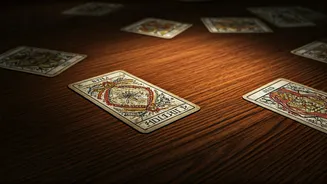
Contrary to popular belief, tarot cards did not originate as tools for fortune-telling. Their true story begins in the vibrant landscape of 15th-century
Italy, where they were known as 'tarocchi.' In this era, these cards were integral to a popular trick-taking game, akin to modern games like Bridge, primarily enjoyed by the affluent and aristocratic classes for amusement. This period marked the birth of the tarot deck, intended purely for the pleasure of gameplay among the elite, laying the groundwork for the intricate imagery and symbolic potential that would later be recognized.
Luxury Artifacts of the Renaissance
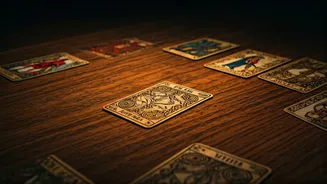
The earliest iterations of tarot decks were far from mass-produced items; they were exquisite, hand-painted creations that served as luxurious works of art. Wealthy families and noble patrons would commission these decks, imbuing them with ornate designs and elaborate artistry. This practice positioned tarot decks as exclusive possessions, accessible only to the elite due to their considerable cost and the skilled craftsmanship involved in their creation. These were not merely games but tangible expressions of wealth and artistic appreciation during the Renaissance.
The Rise of Mysticism
The association of tarot with mysticism and divination is a relatively recent development, emerging much later in history. It wasn't until the 18th century that French writers and occultists began to imbue the cards with deeper, hidden meanings, linking them to ancient esoteric traditions. This intellectual and spiritual reinterpretation transformed the tarot from a simple card game into a profound tool for exploring the subconscious, seeking guidance, and engaging with symbolic wisdom. This shift marked a significant turning point, fundamentally altering the perception and use of tarot cards.
Dispelling Egyptian Myths
A persistent myth surrounding tarot suggests an origin in ancient Egypt, a notion that gained traction to enhance the cards' mystique and allure. However, historical evidence does not support this claim. The Egyptian connection was largely a fabricated narrative, introduced by theorists seeking to bolster the tarot's perceived antiquity and spiritual significance. This fabricated lineage, while contributing to its occult appeal, is not rooted in historical fact, which firmly places its origins in 15th-century Italy.
Evolution of Purpose
For centuries, the primary function of tarot cards remained strictly within the realm of entertainment and gameplay. Their connection to predicting the future or offering spiritual insights is a much later evolution. The cards' journey reflects a remarkable adaptability, transitioning from a game played by aristocrats to a clandestine practice within occult circles, and eventually evolving into a modern instrument for self-reflection, personal growth, and psychological exploration. This continuous reinvention showcases the enduring appeal and multifaceted nature of the tarot.