






A New Cargo Mission
The complex process of converting a passenger airliner into a dedicated cargo carrier involves significant engineering and regulatory hurdles. Recently,
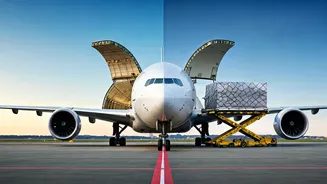
a notable step forward was made when Mammoth Freighters secured Federal Aviation Administration (FAA) certification for their conversion of a specific Boeing model. This development, while a technical achievement, caused a slight dip in Boeing's stock value. The aircraft in question is the Boeing 777-200LR, a model originally designed for ultra-long-haul passenger routes and recognized for its niche appeal among a limited number of airlines. However, this very characteristic of long-range capability proved to be an ideal foundation for a new purpose: efficient and extensive cargo transport. Mammoth Freighters recognized this potential and embarked on the ambitious project to reconfigure the 777-200LR into the 777-200LR(MF) freighter.
FAA Approval and Capabilities
The crucial milestone of Federal Aviation Administration (FAA) design approval has been achieved, officially certifying the converted aircraft for flight operations. This certification signifies that Mammoth Freighters can now confidently offer their modified aircraft as part of an expanded suite of advanced widebody freighter solutions. The resulting platform boasts an impressive combination of extended operational range, optimized payload capacity, and robust reliability, qualities that are highly sought after in the global air cargo industry. These attributes are expected to enhance the appeal of the converted aircraft in the market, potentially benefiting its original manufacturer, Boeing, by demonstrating the enduring versatility of its airframes. The focus is on delivering a solution that meets the growing demands for efficient long-haul cargo transport.
Beyond Freighters
While the focus on cargo conversions is significant, the article also touches upon other specialized uses of Boeing aircraft. It briefly mentions the challenges Boeing has faced with other projects, such as the new Air Force One. Separately, a mention is made of a specially outfitted Boeing BBJ Max 8, originally configured for 160 passengers, which has been reconfigured to accommodate just 17 passengers. This particular aircraft is designed with a 'residence-style' interior, featuring dedicated bedroom space and multiple lounge areas intended to foster conversation and social interaction. Such amenities are considered particularly fitting for an aircraft serving a First Lady, aligning with the common focus on social causes during a presidential term. This illustrates the adaptability of Boeing's platforms for highly specialized, non-commercial roles.