






The Craving Phenomenon
Actress Divyanka Tripathi, 41, who is expecting her first child with husband Vivek Dahiya, 41, recently shared an interesting insight into her pregnancy
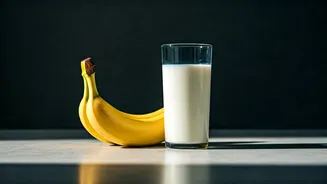
journey. Previously, she had aversions to common foods like milk and fruits. However, during her baby shower celebrations, she revealed a surprising shift: a strong craving for elaichi bananas, a smaller, fragrant variety of the fruit. She admitted, "My cravings now include elaichi bananas. Vivek's favorites are elaichi bananas. I never used to drink milk or eat fruits, but now I consume bananas and milk." This anecdotal evidence highlights a common experience for many expectant mothers where foods once avoided become highly desired, often accompanied by a newfound appreciation for staples like milk and fruit.
Biological Drivers of Cravings
Consultant dietitian Garima Goyal explains that these sudden shifts in food preferences during pregnancy are not random; they are rooted in biological necessity. The pregnant body begins to signal a need for specific nutrients that are vital for both the mother's health and the developing fetus. Foods that were previously overlooked or disliked can suddenly become essential because they provide the building blocks required for fetal growth and maternal well-being. This is a natural adaptive response of the body to meet increased nutritional demands, ensuring that the developing baby receives adequate nourishment.
Banana's Nutritional Power
Bananas emerge as a particularly beneficial food choice during pregnancy, offering a wealth of advantages. According to dietitian Garima Goyal, this simple fruit is a potent source of quick energy, which can be invaluable for managing fatigue. It also plays a role in alleviating early pregnancy nausea and promoting smooth digestion thanks to its significant fiber content. Furthermore, bananas are rich in potassium, a mineral that helps combat muscle cramps, a common discomfort experienced by many pregnant women. The inclusion of bananas in the diet provides a readily accessible and effective way to meet these specific nutritional needs.
Addressing Nutritional Gaps
Divyanka Tripathi's earlier avoidance of milk points to a broader issue where many women enter pregnancy with pre-existing nutritional deficits, perhaps due to personal preferences or lifestyle habits. Pregnancy often acts as a catalyst, prompting a more conscious approach to food choices. This heightened awareness extends beyond personal health to encompass the baby's development. Incorporating milk into the daily diet addresses crucial needs for calcium and protein, which are fundamental for the baby's skeletal development and contribute to the mother's overall health and recovery.
Mindful Dietary Adjustments
While pregnancy necessitates dietary changes, the approach to incorporating new foods should be thoughtful and gradual. Dietitian Garima Goyal advises against forcing foods, especially if there's an intolerance or aversion, as it might not be well-received. Instead, she suggests introducing alternatives like curd, paneer, or fortified food products that can be more easily assimilated. The emphasis during pregnancy is not merely on consuming more food, but on consuming the right kind of nutrition. Even seemingly small, consistent, and mindful additions, such as a daily banana, can significantly contribute to a healthy pregnancy.