






Liver Health Boost
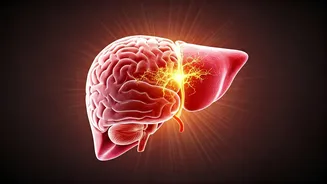
Consuming black coffee on a daily basis can significantly contribute to a healthier liver. Research indicates a strong correlation between regular coffee intake
and a reduced risk of liver damage. For individuals concerned about their liver, this daily ritual might be a doctor-recommended strategy to mitigate the excessive buildup of scar tissue, which can lead to irreversible liver scarring. While it's not the sole method for promoting liver wellness, it has emerged as a positively viewed adjunct by medical professionals. Incorporating this simple habit could offer substantial protective benefits for your liver over time.
Metabolism and Fat Burning
Your daily coffee habit can also give your metabolism a noticeable uplift. The magic lies in compounds like chlorogenic acid, present in coffee, which are known to support improved insulin sensitivity. Studies suggest that these components can enhance the body's ability to process glucose and also promote fat oxidation. Essentially, coffee acts as a stimulant for your nervous system, signaling your body to break down stored body fat more efficiently. Adding to its appeal, coffee also possesses natural appetite-suppressing qualities, which can be instrumental in managing your overall calorie intake and supporting weight management goals.
Cognitive Enhancement
Beyond physical benefits, daily coffee consumption offers a significant boost to your cognitive functions. The caffeine content is well-established for its ability to heighten alertness, sharpen focus, and elevate overall mental performance. This makes it a valuable tool for tasks requiring sustained concentration or during periods of demanding mental effort. While it's not a substitute for adequate sleep, the stimulating effects of caffeine can help you feel more engaged and mentally sharp. In certain contexts, even concentrated caffeine doses have shown efficacy in improving cognitive function, reinforcing coffee's role as a mental performance enhancer.
Digestive System Support
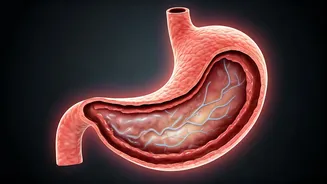
For many, coffee plays a crucial role in regulating their digestive processes. It's a known stimulant that can encourage bowel movements and enhance gut motility. Scientific observations have indicated that a considerable percentage of coffee drinkers experience an increased urge to defecate after consumption. This effect is attributed to the acids within coffee that can elevate levels of the gastrin hormone, a key player in the involuntary muscle contractions that drive the digestive system. However, individuals with Irritable Bowel Syndrome (IBS) should exercise caution, as coffee can sometimes trigger adverse symptoms like abdominal discomfort, diarrhea, or bloating.
Considerations and Recommendations
While the benefits of daily black coffee are substantial, it's crucial to be aware of individual reactions and potential drawbacks. A Harvard-trained medical expert recommends consuming one to three cups of black coffee per day. However, it's essential to monitor your body's response. If you experience adverse effects such as palpitations, heightened anxiety, acid reflux, or disrupted sleep patterns, it is advisable to limit or avoid consumption. Furthermore, the expert strongly cautions against augmenting your coffee with excessive sugar or highly processed creamers, as these additions can negate the health benefits and introduce unhealthy elements into your diet.