



Blossoms of Moringa
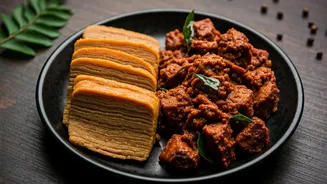
Moringa flowers, a true seasonal gift, represent one of India's hidden treasures. Commonly called Sahijan in Hindi, they bloom with the arrival of spring.
These delicate, fragrant flowers are packed with vitamins and antioxidants, and are usually prepared with lentils or besan (gram flour) as a crunchy snack. They contribute a subtle, almost sweet essence to dishes, and are a good source of dietary fiber, promoting digestive health. These flowers are often incorporated into curries or used to season various regional dishes. Their mild, slightly peppery flavor profile enhances the overall taste, making it a delicious addition to traditional Indian recipes. Incorporating them into your diet can introduce a new dimension to flavor profiles that will leave you wanting more.
The Crimson Burans Bloom
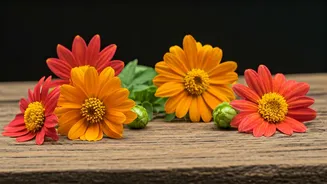
Burans, or Rhododendron flowers, stand out for their vibrant crimson hue. Commonly found in the Himalayan regions, Burans flowers are used in the preparation of a refreshing drink, known for its cooling properties during the warmer months. These flowers are also transformed into flavorful jams and chutneys, adding a distinct tanginess to Indian cuisine. The floral notes of Burans flowers are often said to have medicinal properties and are used in traditional remedies. Besides their culinary applications, the flowers have a cultural significance in various Himalayan communities. They represent beauty and are often used in festivals. The vibrant color of the flowers is commonly used for dyes, adding charm to the environment.
Fragrant Neem Flowers
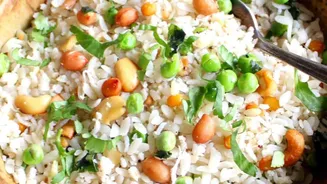
Neem flowers have a unique, slightly bitter flavor that defines them. Generally appearing with the advent of spring, these fragrant blooms are used both in cooking and traditional medicine. Neem flowers are often stir-fried or used in the preparation of rasam and chutney. The flowers are believed to possess anti-inflammatory and antiseptic qualities, making them valuable in Ayurvedic practices. The distinctive flavor of neem adds an interesting dimension to dishes. The flowers are also used to make refreshing beverages, traditionally consumed for their health benefits, particularly during the hot Indian summers. From a culinary perspective, they're a versatile ingredient. They are commonly prepared with rice to enhance the taste.
Juktiphool's Flavorful Touch
Juktiphool is a lesser-known flower, but is rich in both taste and cultural history. It blooms mainly during the spring. This ingredient brings an earthy sweetness to the dishes. The flowers are typically used in regional cuisines. They contribute unique flavor notes and enhance the overall taste. The cooking methods often involve stir-frying or blending with lentils, creating complex and balanced flavor profiles. Juktiphool is associated with some regional festivals, symbolizing the celebration of spring and the renewal that it brings. Their unique flavor and cultural relevance make Juktiphool a great addition to the collection of spring foods.
The Mahua Flower's Essence
Mahua flowers, with their distinctively sweet aroma, symbolize springtime in many Indian regions. These flowers are used in a variety of ways, including being fermented to produce a traditional alcoholic beverage and as a key component in sweets and desserts. Their sweet taste enhances the texture and sweetness of the food, making them a valued ingredient in local cooking. Mahua flowers also play a significant role in tribal communities, used in cultural ceremonies and festivals. The flowers offer a range of health benefits, including relief from various ailments. Their sweet taste makes them versatile, fitting perfectly into various culinary applications, from desserts to savory dishes.
The Prickly Bichu Buti
Bichu Buti, also known as Himalayan nettle, is a unique addition to this list. This plant's leaves can be used in spring, but it can be found year-round in mountainous regions. They are carefully prepared to remove their sting, they provide a nutritional boost. Bichu Buti is often used in curries and soups, and is highly valued for its health benefits. It is rich in vitamins and minerals, and is often used in traditional remedies for ailments. The preparation process involves boiling or cooking the leaves to neutralize the sting. Once processed, it can be incorporated into various local dishes. Bichu Buti's unique blend of taste and nutrient richness makes it a special food.
Bathua's Leafy Goodness
Bathua, or Chenopodium album, is a leafy green that springs up in the Indian spring. This nutritious vegetable is used in a range of dishes. Bathua is commonly used in saag (leafy greens), providing a slightly tangy taste. The leaves are rich in vitamins, minerals, and antioxidants, and are often eaten to aid digestion and boost the immune system. Bathua's nutritional benefits, along with its readily available nature, make it a popular addition to a healthy diet. Whether it's the simple preparation or the complex flavors in a recipe, Bathua remains an important part of the Indian diet, especially during the spring season. It’s a versatile ingredient that seamlessly blends into various recipes.
Agathi Poo’s Versatility
Agathi Poo, or Sesbania grandiflora flowers, are another highlight of this list. This flower is mainly used in South Indian cooking, and is valued for its unique flavor and health benefits. Agathi Poo are often stir-fried, curried, or added to soups and stews, providing a fresh essence. The flowers are believed to have medicinal properties and are known for their ability to cleanse and detoxify the body. They also help with digestive issues. Their distinct, slightly bitter flavor adds character to any dish. Agathi Poo offers a nutritional boost and a versatile ingredient for a variety of Indian dishes.
Phalsa: A Refreshing Treat
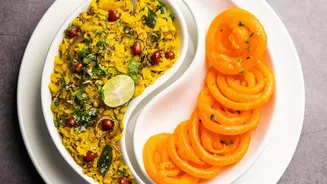
Phalsa, a small, dark-purple berry, is a beloved summer fruit in India. While typically harvested during the summer, it signifies the end of spring. It has a slightly tart and tangy taste that is very refreshing, especially in the heat. It is used to make juices, sherbets, and other drinks. Phalsa is also a key ingredient in many traditional Indian snacks. The berry is a good source of vitamins, minerals, and antioxidants, and is believed to have cooling properties. Its vibrant color and refreshing taste makes it a perfect treat to end the Indian spring. The versatility of phalsa makes it a suitable ingredient in a broad range of culinary applications.
Kachnar's Culinary Delight
Kachnar flowers, also known as mountain ebony, are a versatile food in Indian cuisine. These flowers and buds are often used in dishes, particularly during the spring. Kachnar buds and flowers are used in curries and stir-fries, providing a slightly tangy and earthy flavor. They are also used in various regional cuisines. It is a good source of fiber, vitamins and minerals. Kachnar's unique taste and nutritional profile make it a valued ingredient in many parts of India. From a culinary perspective, Kachnar's versatility enables it to pair well with a wide variety of flavors and ingredients, making it an excellent addition to the seasonal food list.