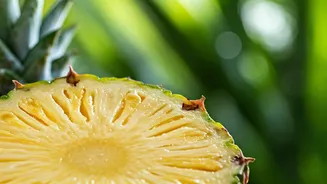






Pineapple's Tiny Spikes
The tingling sensation experienced after consuming pineapple arises due to the presence of a unique enzyme called bromelain. Bromelain is a proteolytic
enzyme, meaning it specializes in breaking down proteins. When you bite into fresh pineapple, this enzyme begins to attack the proteins in your mouth and on your tongue. Since the human mouth is composed of cells that are built of proteins, bromelain starts breaking them down. This process, however, is not harmful, but it causes the prickly or stinging sensation often reported by consumers. The intensity of this feeling can vary based on the pineapple's ripeness and the individual's sensitivity. It is noteworthy that pineapples that are less ripe tend to contain more bromelain, thereby increasing the stinging feeling. Furthermore, the overall acidity of the fruit can also influence the intensity of the sensation experienced. Though generally harmless, understanding the role of bromelain helps in better appreciating the nature of this common experience.
Bromelain: The Culprit
Bromelain is the key player in this slightly unpleasant but temporary reaction. This enzyme is predominantly found in the pineapple fruit and the stem, and it has several interesting functions beyond causing mouth irritation. In addition to breaking down proteins, bromelain boasts anti-inflammatory properties and is used in various health supplements. In the context of the mouth, it’s actively digesting the proteins that make up the surface cells of the oral cavity. The effect is akin to a mild, transient abrasion, not dissimilar to what one might feel after eating a very acidic food. This action is the reason why some people report a feeling of their tongue being raw or sensitive after consuming raw pineapple. Notably, the enzyme's activity is largely limited to the surface level, and the discomfort subsides as the enzyme is either inactivated by heat, saliva, or the body's natural processes. Considering its benefits, bromelain's role is complex and goes beyond the transient mouth irritation.
Reducing The Sting
Fortunately, there are several methods to lessen or eliminate the stinging sensation associated with pineapple consumption. One of the most effective approaches is to cook the pineapple. Heat denatures bromelain, making it inactive and preventing it from breaking down proteins in your mouth. Grilling, baking, or even just adding pineapple to a warm dish can significantly reduce the tingling effect. Another option is to choose riper pineapples. As the pineapple ripens, the bromelain content naturally decreases. Additionally, you can soak the pineapple pieces in saltwater before eating them. The salt helps to break down some of the bromelain, decreasing its impact. Avoid eating the core, as it often has a higher concentration of the enzyme. By utilizing these strategies, you can minimize the sting and fully savor the tropical sweetness of pineapple.
Pineapple's Other Benefits
Beyond its potential to irritate the mouth, pineapple is a powerhouse of nutrients and offers numerous health benefits. Rich in vitamin C, it supports the immune system and acts as an antioxidant. Manganese in pineapples plays a significant role in bone health and metabolism. The fruit also contains antioxidants that help combat free radicals, protecting cells from damage. Dietary fiber in pineapple aids digestion and promotes gut health. Furthermore, pineapple has anti-inflammatory properties, making it beneficial for overall well-being. Eating pineapple can reduce the duration and frequency of colds and other infections due to its high vitamin C content. Incorporating pineapple into your diet, with a bit of consideration for the potential mouth irritation, can contribute significantly to a healthier lifestyle.
Enjoying Pineapple Safely
To fully enjoy pineapple without the stinging sensation, consider the following practical tips. First, opt for ripe pineapples; they'll naturally have less bromelain. Cook the pineapple before eating it; this inactivates the enzyme and eliminates the sting. Consider soaking the pineapple chunks in saltwater for a few minutes before consuming them. Be mindful of the core, which has a higher concentration of bromelain. If you are particularly sensitive, choose canned pineapple, which is often processed in ways that reduce bromelain activity. Drink water immediately after eating pineapple to help wash away any remaining bromelain in your mouth. By implementing these tips, you can enjoy pineapple without the discomfort, making it a delightful and healthy addition to your diet.