
Pasta Water and Oil
One persistent belief is that adding olive oil to pasta water prevents the pasta from sticking. However, this is largely ineffective. Oil floats on the surface
of the water and doesn't prevent pasta from clumping together. Instead of oil, the best way to avoid sticking is to use a large pot with plenty of boiling water and to stir the pasta frequently during the initial cooking stages. The starch released by the pasta is what makes the water cloudy, not the oil. After the pasta is cooked, the starch water can actually help the sauce cling to the pasta when mixed, enhancing the flavor of the dish.
Cast Iron and Soap
Another common myth revolves around cleaning cast iron cookware. The widespread notion is that soap should be avoided at all costs. While harsh soaps from the past could strip the seasoning from cast iron, today's gentle dish soaps are generally safe. The seasoning on cast iron is created through the polymerization of oil, forming a non-stick surface. Modern dish soaps are unlikely to remove this seasoning with a quick wash, but it's important to thoroughly dry the pan after washing to prevent rust. To clean cast iron effectively, wash it with a small amount of soap, rinse well, and dry it completely, possibly heating it on the stovetop to ensure all moisture evaporates. Applying a thin coat of oil after drying will help preserve the seasoning.
Microwaving Food Matters
Many believe that microwaving food diminishes its nutritional value. In reality, microwaving is a generally healthy way of cooking. It cooks food quickly and efficiently, often with less water and in shorter times compared to other methods. This can help retain vitamins and minerals. Microwaves cook food by exciting water molecules, and this quick cooking method often results in less nutrient loss compared to methods that use more heat, such as boiling or frying. The key is to avoid overcooking, as this is where nutrient degradation can occur. Microwaving also doesn't make food radioactive, as microwaves use non-ionizing radiation.
Meat's Red Juices
A common misconception involves the red liquid that appears when meat is cooked. Many people believe this is blood. However, the red liquid is actually myoglobin, a protein responsible for transporting oxygen in muscle tissue. Blood is largely removed during the butchering process, and the remaining liquid is mostly water and myoglobin. The color of myoglobin changes with cooking. When heated, the protein denatures and turns brown, which is why cooked meat appears brown. The amount of myoglobin can vary depending on the animal, its age, and even the cut of meat, which will change the color when raw.
Washing Mushrooms Correctly
The advice to avoid washing mushrooms is a myth. Mushrooms absorb water and become soggy if soaked. But, rinsing mushrooms quickly under cold water is perfectly acceptable. It is often necessary to remove dirt or debris. Instead of soaking them, gently wipe them with a damp cloth or rinse them quickly, and then dry them thoroughly. The key is to prevent the mushrooms from sitting in water for an extended period. Washing just before cooking prevents excessive water absorption. Drying them well ensures that they will brown properly when cooked. Mushrooms release water as they cook; it is important to cook them in a pan large enough to allow the water to evaporate, contributing to the flavor.
Searing and Juices
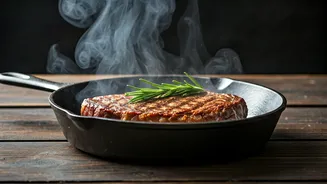
The belief that searing meat locks in its juices is a culinary myth. Searing, which is cooking meat over high heat for a short time, does create a flavorful crust through the Maillard reaction. However, it does not prevent the meat from losing moisture. The intense heat actually causes the meat to contract and expel juices. While the crust adds flavor and texture, it doesn't seal in the juices. The amount of liquid loss depends on various factors, including the type of meat, cooking time, and internal temperature. To retain moisture, it's more beneficial to cook meat to the correct internal temperature. Allowing the meat to rest after cooking also helps redistribute the juices, resulting in a more tender and flavorful meal.