
Global Investment Shifts
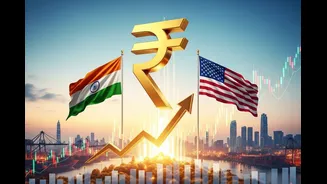
Foreign investors are presently exhibiting a degree of wariness toward investing in India, a sentiment observed against the backdrop of global investment
reallocations. These investors, who are constantly adjusting their strategies, are influenced by various considerations such as prevailing economic indicators, shifts in market trends, and risk assessments. As a result, certain investment destinations, including India, are carefully scrutinized. The global financial environment plays a critical role in shaping investor decisions. Factors like geopolitical tensions, monetary policies adopted by major economies, and fluctuations in commodity prices contribute to a complex landscape. Investors frequently rebalance their portfolios, allocating capital based on the perceived risk and reward associated with different markets. Consequently, India, alongside other emerging markets, may experience fluctuations in investment inflows and outflows as investors respond to these broader global dynamics.
Gold's Appeal as Refuge
Simultaneously, the rising price of gold is drawing the attention of investors seeking secure assets. Gold is considered a safe-haven asset, historically serving as a hedge against economic uncertainties and periods of financial instability. Investors often turn to gold during times of increased market volatility or geopolitical risks to safeguard their portfolios. The present surge in gold's value suggests growing investor apprehension about the global economy and the potential risks associated with other investments. The increased demand for gold could lead to the diversion of funds that might otherwise have been channeled into markets like India. The increasing attractiveness of gold presents a direct challenge to investment flows into other asset classes, thus potentially causing a shift in investor focus. This has a significant impact, especially in emerging markets, where investors might seek the relative security offered by precious metals.
Impact on India
The cautious approach of foreign investors and the rising appeal of gold have specific implications for the Indian market. Reduced investment inflows can affect the stock market, currency values, and overall economic growth. Furthermore, it could lead to increased volatility, as the market responds to fluctuations in foreign investment flows. Sectors that traditionally rely on foreign capital, such as infrastructure, manufacturing, and technology, may face specific challenges. The impact on India's currency, the rupee, is also significant. Reduced foreign investment can weaken the rupee, making imports more expensive and potentially fueling inflation. Simultaneously, the increased demand for gold can put pressure on India's trade balance, as the country is a significant importer of the precious metal. Therefore, a careful understanding of these dynamics is critical for policymakers and market participants.
Investor Sentiment Analysis
Understanding investor sentiment is crucial for interpreting market dynamics. Sentiment analysis encompasses evaluating the prevailing feelings and attitudes of investors towards a specific market or asset. Various indicators are used to gauge sentiment, including market volatility, trading volumes, and news flow related to financial markets. Moreover, surveys and analyses of investment strategies provide insights into prevailing investor viewpoints. The current cautious attitude among foreign investors likely indicates that many perceive increased risks or reduced potential returns in India. This could be influenced by a combination of factors, including global economic uncertainty, concerns about domestic policy, and the attractiveness of alternative investment options, such as gold. Recognizing investor sentiment is essential for anticipating market movements and making informed investment decisions. As investor preferences evolve, markets undergo shifts, requiring continual assessment of prevailing sentiment.
Navigating the Market
To successfully navigate this complex market environment, investors and policymakers must adopt strategic approaches. Investors should diversify their portfolios to manage risk and carefully assess investment opportunities. This requires thorough research, risk assessment, and a long-term perspective. Policymakers have a significant role in fostering a favorable investment climate. Implementing transparent and predictable policies can instill confidence among foreign investors. Additionally, improving infrastructure, streamlining regulatory processes, and ensuring macroeconomic stability are vital. Promoting India as an attractive investment destination also involves actively engaging with foreign investors and addressing their concerns. Providing clear communication and demonstrating commitment to economic reforms are essential. Furthermore, staying informed about global trends, market dynamics, and investor sentiment is critical for making informed decisions and achieving long-term investment goals.