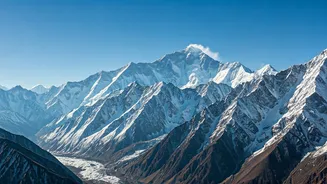

Initial Snowfall Impact
The early winter weather brought significant changes across northern India. The areas of Jammu and Kashmir, Uttarakhand, and Shimla bore the initial brunt
of the season's first snowfall. This weather event didn't just transform the landscape aesthetically; it also had practical implications. Transportation, in particular, felt the effects. Road traffic was disrupted as driving conditions became treacherous. Simultaneously, air travel faced disruptions, with flights potentially delayed or even cancelled due to the weather conditions. This combination of events served as a stark reminder of nature's power and its ability to influence daily life.
Affected Regions' Transformation
The snowfall painted a picture of winter wonderland across several popular locales. Regions like Gulmarg, known for its pristine beauty, were coated in a layer of fresh snow. Similarly, areas such as Sonamarg and Pahalgam, also in Jammu and Kashmir, saw their landscapes transformed. The spiritual site of Kedarnath Dham, nestled within the Uttarakhand region, also received a generous amount of snow. These locations, popular for their stunning views, became even more captivating under the blanket of snow. The early snowfall not only impacted these locations but also provided a glimpse of the season's grandeur, making them even more appealing to visitors.
Impact on Travel
The arrival of snow, while visually stunning, posed considerable hurdles to travel and mobility. Road travel became difficult and dangerous, with roads becoming slippery, leading to potential traffic snarls and delays. This situation particularly affected regions where the snowfall was intense. Simultaneously, air travel also experienced disruptions. Flights were affected, potentially leading to delays or complete cancellations, as airports and runways dealt with snow-related challenges. The combined impact on both road and air travel highlighted the need for preparedness and flexibility when visiting these regions during winter. Authorities and travelers alike had to adjust to these conditions to maintain safety and minimize disruptions.