




Fat Enhances Fullness
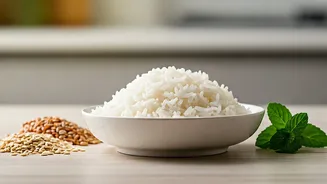
Incorporating a small amount of healthy fat during the cooking process of rice can significantly impact its digestive benefits. Nutritionist Kavita Devgan
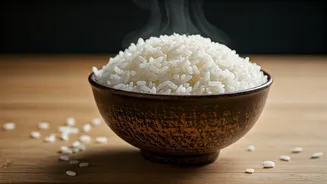
suggests adding just a teaspoon of ghee to your rice as it simmers. This simple addition doesn't just make your meal more palatable; it plays a crucial role in promoting a feeling of fullness that lasts longer. Furthermore, this practice aids in moderating your body's response to the carbohydrates in the rice, contributing to more stable blood sugar levels throughout your day. By making this minor adjustment, you transform plain rice into a more satisfying and metabolically friendly component of your diet, preventing the post-meal slumps and cravings often associated with less optimized carbohydrate intake.
Cool Rice Benefits
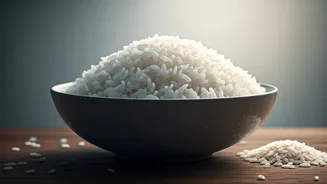
For those concerned about managing blood glucose spikes, especially individuals with diabetes, the temperature of your rice matters. Devgan strongly advises against consuming freshly cooked, piping hot rice. Instead, she champions a method of cooking rice ahead of time, allowing it to cool completely, and then refrigerating it overnight before consumption. This cooking and cooling cycle, particularly when followed by chilling or freezing, alters the rice's starch structure, converting it into a form that is more resistant to digestion. This resistant starch acts as a prebiotic, feeding beneficial gut bacteria, and leads to a much gentler release of glucose into the bloodstream. This approach makes rice a more gut-friendly and blood-sugar-conscious choice.
Strategic Eating Order
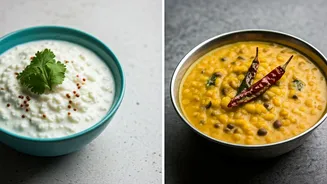
The sequence in which you consume your meal components can dramatically influence how your body processes nutrients and manages blood sugar. Devgan emphasizes the importance of a mindful eating order, advocating for starting your meal with fiber-rich foods like vegetables or a salad. Following this, incorporate your protein sources, such as dal, curd, eggs, chicken, or sambar. Only after these elements should you proceed to eat your rice, ideally alongside any remaining protein from your meal. This deliberate ordering naturally encourages a reduction in the quantity of rice consumed without the need for strict dieting, as the fiber and protein help to prime your digestive system and signal satiety more effectively.
Portion and Timing
Mindful consideration of both the quantity and timing of rice consumption is key to harnessing its benefits. Devgan cautions against large portions, suggesting that roughly two fists of rice in a single sitting might be excessive. She recommends distributing your rice intake across the day, opting for a more substantial serving earlier on and a considerably smaller portion as evening approaches. Contrary to the common notion that rice should be entirely avoided at dinner, Devgan often includes it in evening meal plans for her clients, provided it's prepared and consumed thoughtfully. Interestingly, for individuals experiencing sleep difficulties, incorporating rice into their nighttime meal can be beneficial, as it can support the production of sleep-regulating hormones like serotonin and melatonin.
Embrace Fermented Rice
Among the most beneficial ways to enjoy rice, according to Devgan, is through fermentation. Traditional dishes like idli, dosa, and pazhaya sadam (a type of rice kanji) are excellent examples of fermented rice preparations that are exceptionally good for gut health. The fermentation process breaks down complex carbohydrates and introduces beneficial probiotics, making the rice easier to digest and enhancing its nutrient profile. Many well-known individuals have publicly attributed improvements in their digestive well-being to consuming kanji. This ancient practice, which resonates with the wisdom of previous generations, transforms rice into a powerhouse for supporting a thriving gut microbiome, demonstrating that healthy eating often involves revisiting time-tested methods.