





The Saltwater Fad
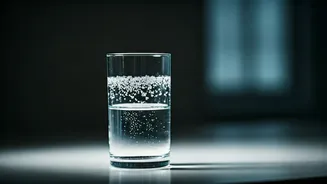
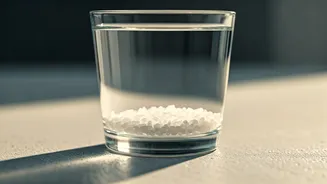
Social media has popularized 'electrolyte hacks,' with adding salt to water being a prominent one. This practice suggests enhanced hydration, particularly
after strenuous activity or significant fluid loss. However, medical professionals caution that this trend, while potentially beneficial in very specific scenarios, is largely unnecessary for daily consumption and can pose significant health risks for many. The core idea is to replenish electrolytes, especially sodium, that are lost through sweat, vomiting, or diarrhea. While these situations do warrant electrolyte replacement, indiscriminate salt addition to everyday drinking water is advised against due to the high sodium content already present in most regular diets. Experts emphasize that our regular meals typically provide sufficient sodium, and exceeding this through salted water can lead to a cascade of negative health outcomes, making it a trend that requires careful consideration rather than blind adoption.
Who Should Abstain?
Certain individuals must absolutely avoid the practice of adding extra salt to their drinking water. This includes anyone diagnosed with hypertension (high blood pressure), heart disease, kidney disease, or conditions leading to swelling and fluid retention. For those with kidney ailments, their bodies are far more sensitive to sodium loads, making any extra salt intake potentially dangerous. Similarly, individuals with thyroid conditions should exercise extreme caution. The recommendation from medical experts is clear: if you have any of these pre-existing health concerns, refrain from this trend altogether unless specifically instructed by a healthcare professional. The potential for exacerbating these conditions outweighs any perceived hydration benefits for the general population with these health profiles.
When Is It Okay?
There are indeed very limited circumstances where adding salt to water might be considered appropriate, primarily revolving around significant electrolyte depletion. This includes prolonged endurance sports, severe dehydration caused by illness (like persistent vomiting or diarrhea), or extended exposure to extreme heat. In these scenarios, rehydrating with electrolytes, including sodium, is crucial. However, even in these cases, experts strongly advocate for using medically prepared options like Oral Rehydration Solutions (ORS) or commercial electrolyte drinks. These formulations are balanced to ensure safe and effective replenishment. Randomly adding table salt to water is a less controlled and potentially less safe method. It's generally more applicable during hot weather when fluid loss is high, or for those engaged in very intense physical activity, but always with a minimal amount and balanced with regular water intake.
Smart Hydration Choices
Before diving into the saltwater trend, it's crucial to assess your personal health status and consult with a doctor if you have any concerns, particularly regarding blood pressure or kidney function. It's a common misconception that more salt equates to better hydration; in reality, the body primarily needs water, and excessive sodium can actually induce further thirst. Instead of relying on potentially harmful trends, focus on natural and effective hydration methods. Options like plain water, coconut water, buttermilk, and water-rich fruits such as watermelon are excellent choices. For situations demanding electrolyte replacement, a doctor-approved ORS is the safest and most reliable recourse. Be wary of social media trends; what might work for one person could be detrimental to another, and individual health needs vary significantly.