






Foot Swelling Clues
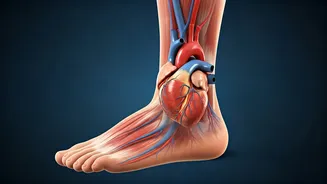
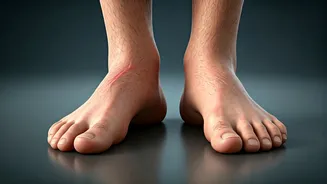
Persistent swelling in your feet and ankles, particularly if it worsens throughout the day and lingers into the morning, could signal peripheral edema.
This condition involves fluid accumulation in the lower extremities, manifesting as puffiness, tight or shiny skin, a feeling of heaviness, and potentially reduced mobility. While often linked to heart conditions, it's crucial to note that prolonged sitting, excessive salt intake, or issues with the kidneys and liver can also trigger this symptom. The key indicator for concern is when the swelling doesn't subside or improve, suggesting a need for further medical investigation to pinpoint the cause and ensure appropriate management for your overall health.
The Chill in Your Feet
Experiencing an unusual and persistent coldness in one or both feet, even when the surrounding environment is warm, might be an early warning sign of peripheral artery disease (PAD). This condition arises when arteries supplying blood to your limbs become narrowed, consequently restricting blood flow. This diminished circulation can also lead to other symptoms such as leg pain during walking, episodes of numbness, and a noticeable delay in wound healing. However, it's important to differentiate between occasional cold feet and a chronic condition; it becomes a medical concern when the coldness is constant and accompanied by other indicative symptoms.
Leg Hair Loss
A less commonly recognized but significant indicator of compromised circulation to the lower limbs is the loss of hair on the legs and feet. This symptom, often appearing alongside skin that feels smooth and looks shiny, suggests that hair follicles are not receiving adequate oxygen and nutrients due to reduced blood flow. This deprivation gradually leads to hair thinning and eventual loss. While this sign might not be immediately apparent, its presence, especially when coupled with other indicators like cool skin or weak peripheral pulses, can strongly point towards underlying vascular issues that require professional evaluation.
Wounds That Linger
The most serious indicator among these foot-related signs is a wound on your foot or leg that stubbornly refuses to heal for several weeks. This delayed healing is a strong signal of significantly blocked arteries or peripheral artery disease, where the constricted blood flow critically impedes the body's natural repair processes. Insufficient oxygen and nutrients delivered to the affected tissue hinder regeneration and increase the vulnerability to infections. Neglecting such persistent wounds elevates the risk of severe complications, including the development of painful ulcers or irreversible tissue damage, making prompt medical attention absolutely essential.