





Fuel Surcharge Explained
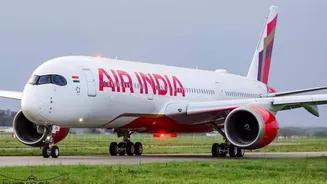
A recent development in Indian aviation sees IndiGo, following Air India's lead, implement a fuel surcharge on both domestic and international flights.
This move is a direct response to the volatile global energy market and escalating Aviation Turbine Fuel (ATF) prices. A fuel surcharge functions as an additional charge on top of the base ticket price, designed to help airlines offset the fluctuating costs of fuel without altering their fundamental fare structure. Unlike a permanent fare increase, this surcharge is intended to be variable; it could theoretically be reduced or removed if crude oil prices stabilize. However, for the foreseeable future, passengers should expect the 'Taxes and Fees' component of their booking to be noticeably higher. This industry-wide adjustment, adopted by even high-volume, budget carriers, indicates the significant pressure airlines are under to manage their operational expenses in the face of rising fuel bills.
Geopolitical Fuel Drivers
The primary catalyst for this sudden financial adjustment is the ongoing geopolitical tension in West Asia. Conflicts in the region have directly impacted maritime supply chains and led to increased insurance premiums for oil tankers traversing the Gulf. These factors have collectively driven a sharp surge in the price of ATF, a critical component of airline operations. In India, fuel typically constitutes almost 40% of an airline's total operating expenses. Consequently, any sustained increase in global oil prices leaves carriers with limited options, forcing them to pass a portion of this escalating cost onto their passengers. The interconnectedness of global markets means that regional instability can have a tangible and immediate effect on the cost of air travel.
Distance-Based Pricing Impact
The newly introduced surcharge is not a uniform cost across all flights; instead, it is structured based on the distance of the journey. Shorter domestic routes, such as flights between nearby cities, will see a relatively modest increase in price. However, for longer domestic flights, which often connect different regions of the country, and for international journeys to destinations in Europe or Southeast Asia, the surcharge can significantly escalate the overall cost of a round-trip ticket. This distance-sensitive pricing model means that flights requiring more fuel consumption will incur a higher surcharge. This approach might deter price-conscious travelers from booking longer or more ambitious summer vacation itineraries, potentially influencing their destination choices.
Summer Holiday Outlook
The timing of this surcharge's introduction is particularly inconvenient for the tourism industry, as it coincides precisely with the peak booking period for summer holidays. Travel agencies are already observing a change in consumer preferences, with many families now leaning towards 'staycations' or opting for rail travel as alternatives to flying. With both IndiGo and the Air India conglomerate (comprising Air India, Vistara, and AirAsia India) now implementing this surcharge, finding an exceptionally cheap flight has become an increasingly formidable challenge. Essentially, this new fee establishes a baseline price for air travel, meaning that even budget-friendly seats will now carry an additional expense that was not present at the beginning of the year, fundamentally altering the perception of a 'deal'.
Future Market Stability
While the immediate future for airfare costs appears challenging, there is a possibility of relief contingent on diplomatic resolutions in West Asia leading to a stable ceasefire. The Indian government is actively engaged in dialogue with energy-producing nations, such as the UAE, to ensure the continuity of supply lines. Such efforts could eventually help to moderate the prices in the ATF market. Until then, travelers are strongly advised to make their bookings well in advance. This strategy can help secure current base fares before any further industry-wide adjustments are implemented. For the current travel season, this additional cost of flying has become an undeniable aspect of the travel experience, underscoring that the initial ticket price is merely the starting point for the overall journey.