
Ghee: The Remedy?
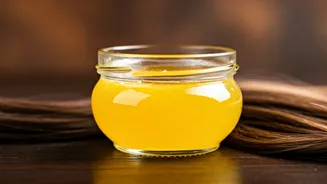
Ghee, clarified butter, is a familiar ingredient in Indian cuisine and traditional Ayurvedic practices. Its popularity extends beyond culinary uses, with
many people exploring its potential in hair care. Proponents suggest ghee may act as a natural conditioner, offering hydration and smoothing frizzy hair. The consistency of ghee allows it to coat the hair shaft, potentially sealing in moisture and minimizing frizz. Some people have found that regular ghee application leads to improved hair texture, shine, and manageability. However, it's crucial to acknowledge that individual results can vary, and what works for one person might not work for another. The effectiveness of ghee often depends on hair type, the frequency of application, and proper usage techniques.
Application Techniques
For those interested in incorporating ghee into their hair care, the application method is important. Typically, ghee should be applied to dry or slightly damp hair. Start with a small amount, warming it slightly between your palms before applying. The warmth helps the ghee spread evenly through the hair. Focus on the mid-lengths and ends, where hair tends to be driest and most prone to frizz. Avoid applying too much ghee at the roots, as this might make the hair appear greasy. After applying ghee, gently massage it into the hair, ensuring all strands are covered. Leave the ghee on for at least 30 minutes, or even overnight, for deeper conditioning. After the required time, wash the hair thoroughly with a mild shampoo and conditioner. The frequency of application may vary, but many people apply ghee twice a week. Consistent and correct application can lead to a more effective outcome.
Consistency is Key
Patience and consistency are paramount when using ghee for frizzy hair. Expecting immediate results is unrealistic. Many people who have tried this method emphasize the importance of using ghee regularly, usually twice a week, for at least a month to experience noticeable improvements. Some might see improvements within 2–3 weeks, but for others, it may take longer. Monitoring hair's response is also essential. Factors such as hair type, environmental conditions, and the use of other hair products may influence the outcome. If after a month, the hair isn't improving, it might be necessary to adjust the frequency of application, try a different ghee brand, or reconsider the suitability of this method. Remember that every individual's hair responds differently, making it important to be patient and observant throughout the process.