





Chemo's Unexpected Response
Sometimes, the body reacts to powerful chemotherapy drugs in unforeseen ways, leading to what are known as allergic or hypersensitivity reactions. These
aren't rare, especially when certain medications are administered over several treatment cycles. Dr. Jeyhan B. Dhabhar explains that the immune system can mistakenly identify the chemotherapy agent as a foreign invader and trigger an overreaction. This can manifest in various ways, from minor discomforts like itching and flushing to more critical issues such as swelling, sudden blood pressure drops, or significant breathing difficulties. Interestingly, a patient might tolerate a drug perfectly fine during initial treatments only to develop an adverse reaction after multiple sessions. The likelihood of such a reaction depends on the specific drug used, the individual's immune system's response, and previous exposure to the medication, as noted by Dr. Utkarsh Ajgaonkar. This underscores the dynamic nature of cancer treatment and the body's complex interaction with its therapies.
Tailoring Treatment Plans
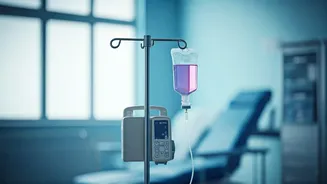
The administration of chemotherapy is a carefully orchestrated process, with experienced oncology teams employing strategies to minimize potential side effects. This includes precise drug dilution, appropriate infusion rates, vigilant monitoring, and the use of supportive medications, all of which can significantly alleviate adverse reactions, according to Dr. Dhabhar. When an allergic reaction does occur, a common and effective approach is to switch to an alternative chemotherapy regimen that is better tolerated by the patient, a point emphasized by Dr. Ajgaonkar. Modern cancer care is highly personalized, meaning specialists collaborate closely to strike a balance between the treatment's effectiveness and the patient's safety and comfort. Promptly reporting any unusual symptoms during or after chemotherapy is crucial for timely medical intervention, ensuring the treatment can be adjusted safely and effectively.
Supportive Care's Role
The management of chemotherapy extends beyond the primary drugs, with pre-medications and post-chemotherapy medications playing a vital supportive role. Administered before chemotherapy, these medications and injections are designed to preemptively counter common side effects such as nausea, vomiting, oral sores, and acidity. Similarly, medications prescribed for use at home after the infusion aid in patient recovery and mitigate delayed side effects. The precise timing, dosage, and combination of these supportive drugs are paramount in enhancing the patient's tolerance to the overall treatment protocol. The reassuring fact is that an allergic reaction to one chemotherapy agent doesn't signify the end of treatment options; modern oncology offers numerous effective alternatives to safely continue the fight against cancer.
Adapting the Regimen
Cancer treatment is rarely a straightforward path; it frequently necessitates modifications based on how a patient's body responds over time. Close observation and immediate reporting of any symptoms during chemotherapy sessions are paramount. Indicators such as sudden itching, dizziness, chest discomfort, or breathing difficulties should immediately alert the medical team, enabling early intervention. As medical oncology advances, treatments are increasingly tailored to individual patients. Even if one drug must be discontinued, multiple effective alternatives are typically available, allowing patients to continue their cancer therapy safely and productively, as Dr. Dhabhar confirms. This adaptive approach ensures that treatment remains viable and effective despite unforeseen reactions.