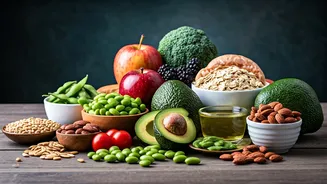







Understanding the Portfolio Diet
The Portfolio Diet stands out as a scientifically validated eating pattern designed to significantly reduce LDL ("bad") cholesterol and enhance cardiovascular
health. Unlike diets that impose strict limitations or eliminations, this approach focuses on the synergistic power of specific foods, much like diversifying an investment portfolio for maximum benefit. It's characterized by its plant-forward nature and the strategic integration of four key food categories: plant sterols, viscous (soluble) fiber, nuts, and plant-based proteins. Each of these components has independently demonstrated its ability to improve cholesterol markers in numerous human studies. When combined, their impact is amplified, leading to improved lipid profiles, reduced inflammation, and better cardiometabolic health. While often compared to the Mediterranean or DASH diets for their heart-healthy benefits, the Portfolio Diet offers a more targeted emphasis on foods with clinically proven cholesterol-lowering properties, making it a distinctive and effective strategy for managing cholesterol levels.
Key Components Explained
At its core, the Portfolio Diet revolves around four main pillars, each playing a crucial role in cholesterol management. Firstly, plant sterols, found in fortified foods like plant milks and spreads, work by actively reducing the body's absorption of cholesterol from the digestive tract. Secondly, viscous (soluble) fiber, abundant in foods such as oats, barley, beans, lentils, apples, and psyllium husk, is vital. This type of fiber binds to cholesterol in the digestive system, facilitating its removal from the body before it can enter the bloodstream. Thirdly, nuts, including almonds, walnuts, and pistachios, contribute not only healthy fats but also plant protein, which aids in improving lipid metabolism. Finally, plant-based proteins, such as those derived from soy products, lentils, and chickpeas, serve as excellent alternatives to saturated-fat-rich animal proteins, further supporting heart health. Consuming approximately 2 grams of plant sterols, 10 to 25 grams of viscous fiber, 1 to 2 ounces of nuts, and several servings of plant-based protein daily are the general targets, achievable through whole foods or fortified options.
Proven Health Advantages
The Portfolio Diet is renowned for its significant cholesterol-lowering capabilities. Clinical trials, published in prestigious journals, have shown that this dietary pattern can reduce LDL cholesterol by amounts comparable to low-dose statin medications for some individuals. This efficacy stems from the combined action of plant sterols blocking absorption, soluble fiber aiding cholesterol excretion, and nuts enhancing lipid metabolism. Beyond cholesterol, the diet promotes overall cardiovascular health by reducing inflammation and improving blood vessel function. Long-term observational studies link adherence to portfolio-style eating with a lower risk of heart disease and stroke. Furthermore, the anti-inflammatory compounds found in many portfolio foods, like nuts and legumes, may help lower markers of chronic inflammation such as hs-CRP. The high fiber content also aids in blood sugar balance by slowing digestion and improving insulin sensitivity, particularly beneficial for individuals with type 2 diabetes. Lastly, the emphasis on soluble fiber nourishes beneficial gut bacteria, promoting a healthier microbiome and improved digestive and metabolic health.
Integrating into Your Lifestyle
Embarking on the Portfolio Diet is a practical endeavor that doesn't necessitate drastic changes. The foundational principle is to build meals around plant-based foods and consistently incorporate the diet's core components throughout the day. Key guidelines include replacing saturated fats with unsaturated ones, limiting ultra-processed foods and refined sugars, and ensuring that multiple portfolio-contributing foods are present in daily meals. For instance, starting the day with oatmeal topped with ground flaxseed, sliced apples, and almonds, accompanied by fortified soy milk, sets a strong foundation. Lunches can feature hearty lentil and vegetable soup with a barley and chickpea salad, while snacks can consist of a handful of mixed nuts or an orange. Dinners might include stir-fried tofu with a variety of vegetables and brown rice. Small, consistent changes, such as opting for oatmeal for breakfast, swapping some animal proteins for beans or tofu, adding nuts to your daily intake, and utilizing olive oil over butter, can lead to significant long-term benefits. The diet emphasizes consistency, meaning these beneficial foods should be consumed regularly rather than sporadically for optimal results.