




Understanding Pranayama
Pranayama is a collection of ancient breathing techniques, deeply rooted in Indian tradition, designed to control the flow of breath. The word 'pranayama'
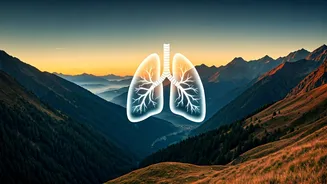
is derived from the Sanskrit words 'prana' (life force) and 'ayama' (extension or expansion). It’s not just about how you breathe; it’s about how you manage your life force to boost physical health and mental clarity. Regular practice can promote relaxation, reduce stress, and improve overall well-being. It helps to oxygenate the body. These techniques are accessible to anyone, irrespective of age or fitness level, making them a powerful tool for self-care.
Diaphragmatic Breathing
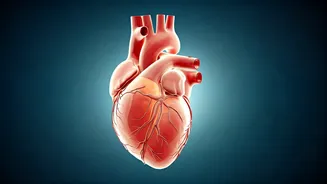
Also known as belly breathing, diaphragmatic breathing is a fundamental technique for activating the parasympathetic nervous system, responsible for the 'rest and digest' response. To practice this, place one hand on your chest and the other on your abdomen. As you inhale deeply through your nose, focus on expanding your abdomen while your chest remains relatively still. Exhale slowly through your mouth, allowing your abdomen to fall back. This type of breathing can help in slowing down the heart rate and lowering blood pressure. By consciously engaging the diaphragm, you can immediately feel a sense of calm and release tension from the body.
Alternate Nostril Breathing
Anulom Vilom, or alternate nostril breathing, involves balancing the energy flow by breathing through each nostril. Start by sitting comfortably. Use your right thumb to close your right nostril and inhale deeply through the left nostril. Then, close the left nostril with your ring finger and release your right nostril, exhaling through it. Inhale through the right nostril, close it with your thumb, and exhale through the left nostril. Repeating this cycle helps to balance the hemispheres of the brain and improve focus. It can also reduce anxiety and promote a sense of inner balance. This is a great way to calm down when feeling overwhelmed or stressed.
Ujjayi Breathing Technique
Ujjayi, or the victorious breath, is a technique that creates a gentle ocean-like sound in the back of the throat. To practice this, inhale deeply through your nose and slightly constrict the back of your throat, creating a soft 'ha' sound as you breathe. Exhale in the same way, producing the same sound. Ujjayi breathing can help calm the mind, generate heat in the body, and improve concentration. It's often used during yoga and meditation practices to deepen the breath and enhance the overall experience. The soft sound can be very soothing, helping one to disconnect from external distractions.
Sheetali Pranayama
Sheetali pranayama, or cooling breath, is designed to cool down the body and calm the mind. To practice this, curl your tongue lengthwise, as if you’re trying to make a tube. Inhale slowly through your curled tongue, as if you are drinking air, and exhale through your nose. This technique provides immediate relief from heat and can be especially useful in hot weather or during moments of stress. The practice promotes a feeling of relaxation and can help to regulate body temperature naturally. It's a simple, yet powerful technique to manage heat-related discomfort.
Benefits of Breathing Practices
Incorporating pranayama into a daily routine offers several benefits. Regular practice can lead to reduced stress levels, improved focus, and a sense of overall well-being. Breathing exercises help to improve the body's oxygen intake, which is essential for overall health. The benefits extend beyond physical health, and can greatly improve mental clarity. These practices have proven to be beneficial in improving sleep quality, easing anxiety, and promoting emotional stability. Through regular and consistent practice, these breathing techniques can offer a holistic approach to self-care.