






The Dawn Phenomenon Explained
Many individuals, particularly those managing diabetes, often observe elevated fasting blood glucose readings despite adhering to a healthy lifestyle and
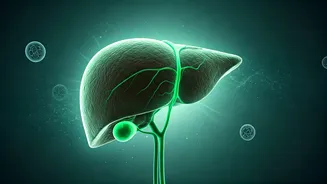
diet. This perplexing pattern is commonly attributed to a natural physiological occurrence known as the 'dawn phenomenon.' Between the hours of approximately 3 AM and 8 AM, the body initiates a preparatory response for waking up. This phase involves a surge in several key hormones, including cortisol, growth hormone, and glucagon. These hormonal signals prompt the liver to release stored glucose into the bloodstream, providing the body with the necessary energy reserves to commence daily activities. In individuals without diabetes, the pancreas compensates by releasing sufficient insulin to maintain blood sugar balance. However, for those experiencing insulin resistance, the body's ability to effectively utilize insulin is compromised. Consequently, the glucose released by the liver remains circulating in the blood, leading to a rise in fasting blood sugar levels, even in the absence of any food intake overnight. It's crucial to understand that this is a natural bodily process, not necessarily a sign of personal dietary failure.
Impact of High Morning Sugar
While some may dismiss the dawn phenomenon as a minor inconvenience, medical professionals emphasize that persistently high fasting blood sugar levels can have significant long-term health implications. When the body remains in a hyperglycaemic state during the early morning hours on a regular basis, it can contribute to the development or exacerbation of serious health complications. These can include detrimental effects on blood vessels, leading to damage over time. Furthermore, consistent high blood sugar can increase the risk of developing fatty liver disease, a condition where excess fat accumulates in the liver. It also negatively impacts overall blood sugar control, making it more challenging to manage glucose levels throughout the day. Dr. Gagandeep Singh highlights that if post-meal glucose readings are within the target range but fasting numbers remain elevated, the dawn phenomenon is a strong candidate for the underlying cause, representing a critical piece of the puzzle in understanding one's metabolic health.
Strategies for Control
Effectively managing the dawn phenomenon typically involves a multi-faceted approach, integrating lifestyle modifications with professional medical advice. One highly recommended strategy is engaging in evening strength training for approximately 30 to 40 minutes. Resistance exercises help muscles utilize stored glucose more efficiently, thereby enhancing their capacity to absorb sugar from the bloodstream overnight. Dr. Singh likens muscles to a 'glucose sink,' suggesting that increased muscle mass leads to better management of blood sugar fluctuations. Rethinking dinner composition is also vital. Opting for a protein-rich meal complemented by healthy fats can stabilize blood sugar levels throughout the night. Examples include dishes featuring paneer or chicken prepared with vegetables and healthy fats like desi ghee. Such meals promote slower digestion and can mitigate the liver's overnight glucose release. Incorporating carbohydrates like roti or rice after consuming protein and vegetables may further help in controlling the overall glycaemic load of the meal. Avoiding extreme fasting, such as skipping dinner entirely, is also advised, as prolonged fasting exceeding 16 hours can elevate cortisol levels, potentially worsening the dawn phenomenon. A balanced fasting window of 14 to 16 hours is often more beneficial for blood sugar regulation. Finally, adjusting the timing of diabetes medication, under a doctor's guidance, might be necessary. In some cases, taking medication closer to bedtime can ensure it effectively covers the hormonal surge experienced overnight.
Addressing Insulin Resistance
Fundamentally, the persistent occurrence of the dawn phenomenon underscores a deeper underlying issue: insulin resistance. Rather than viewing elevated morning blood sugar readings as a personal failing, experts urge individuals to recognize them as a significant indicator of how their body's metabolism is functioning. By focusing on strategies that address insulin resistance, individuals can achieve gradual improvements in their fasting glucose levels. This involves embracing a holistic approach that includes consistent lifestyle changes, prioritizing sufficient and quality sleep, maintaining a regular exercise routine, and seeking ongoing medical guidance. These combined efforts work synergistically to enhance the body's sensitivity to insulin, thereby mitigating the effects of the dawn phenomenon and contributing to better overall metabolic health. It is a process that requires patience and a comprehensive understanding of the body's intricate mechanisms.