


Foundational Garden Design
Embarking on your vegetable gardening journey begins with thoughtful planning, much like choosing the perfect spot for a home. The prime consideration
is location; the majority of vegetables flourish with a minimum of six to eight hours of direct sunlight daily. Proximity to a water source is also crucial for consistent hydration, and ensuring good soil drainage prevents waterlogged roots, a common pitfall that stunts growth. Next, assess your soil type. If your existing soil is less than ideal, consider amending it with organic matter to provide the rich nutrients vegetables crave. The size of your garden should be proportionate to your available space, the variety of vegetables you wish to cultivate, and the number of people you aim to feed. Finally, the type of garden structure—whether in-ground beds, raised beds, or containers—depends heavily on your yard's conditions and your personal preference. Raised beds and containers offer excellent solutions for challenging soil or limited mobility, making gardening accessible and enjoyable for everyone.
Crafting Your Garden Layout
Designing the layout of your vegetable garden is a creative process that blends your desires with environmental realities. Start by drawing a plan, either on paper or using digital tools, to visualize your space. Crucially, consider the specific needs of your chosen plants, including their sunlight requirements, water consumption, and soil preferences. Whether you opt for in-ground planting or containers, this initial assessment is key. Your timeline also influences the design; starting from seed requires more lead time and indoor preparation compared to using nursery seedlings, which are quicker to establish but generally more costly. Select vegetables that you genuinely enjoy eating and that are suited to your local climate and growing season. Ensure your plan allows ample time for plants to mature before the weather turns or the first frost arrives. When drawing your layout, group plants with similar needs together for efficient watering and care, and don't forget to factor in accessibility for maintenance and harvesting.
Smart Planting Strategies
Optimizing your vegetable garden's success involves strategic plant choices and mindful placement. For those with limited sunlight, leafy greens like spinach, kale, and Swiss chard, along with root vegetables such as radishes and beets, can thrive in areas receiving three to four hours of sun. When space is at a premium, consider vertical gardening systems, raised beds, or square-foot gardening. For beginners, easy-to-grow options like tomatoes, peas, lettuce, and radishes are excellent starting points. Companion planting, the practice of growing compatible species together, can significantly enhance your garden's health. For instance, planting basil with tomatoes can deter pests, while grouping carrots, cucumbers, and squash together forms a beneficial trio. Conversely, avoid planting incompatible vegetables side-by-side; for example, corn and cabbage should not be near tomatoes, and peppers should be kept separate from cabbage, as these pairings can hinder growth and attract pests. Rotating your crops annually is also vital for soil health and preventing the buildup of diseases and pests.
Innovative Layout Ideas
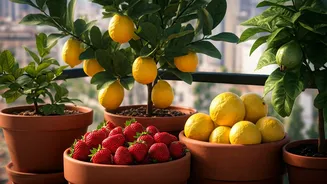
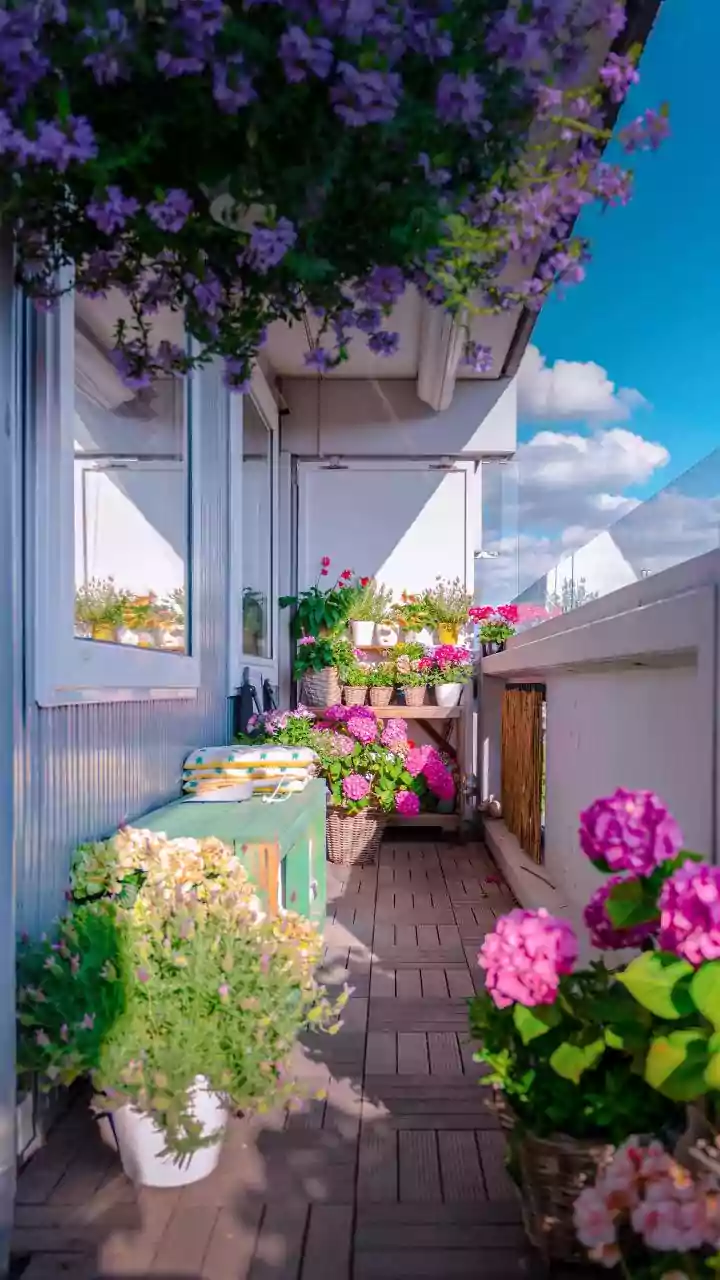
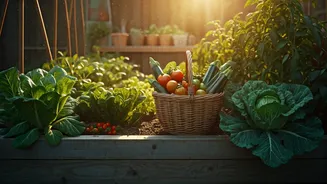
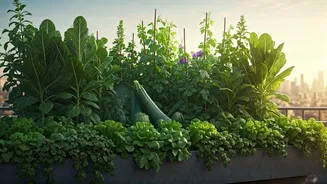
To maximize your growing potential and enjoyment, explore various garden layout options suited for any scale. Raised garden beds, constructed from wood, metal, or plastic, are ideal for areas with poor soil, excessive rain, or drainage issues, and they warm up quickly in spring, extending your growing season. Square-foot gardening takes this a step further by dividing beds into one-foot squares, allowing for intensive planting of compact varieties like cherry tomatoes and fingerling potatoes, making it exceptionally efficient for small spaces. Vertical gardens, often using fabric or plastic towers, are perfect for tiny yards or balconies, though they require frequent watering. Four-square gardens, inspired by historical cottage designs, feature four intersecting beds, offering a structured approach to planting a diverse range of vegetables. Traditional row gardening remains a classic for both small and large plots, with rows ideally oriented north-to-south to maximize sun exposure. For larger operations, a homestead garden, often covering a quarter-acre or more, benefits from tools like tillers and drip irrigation systems for efficient management.
Essential Care and Tips
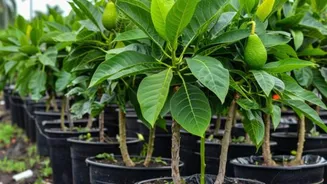
Achieving a bountiful harvest hinges on consistent care and adherence to best practices. Ensure plants are not overcrowded, as this can lead to disease and reduced yields. The foundation of a healthy garden is rich, loose soil, preferably amended with organic matter. Regular crop rotation is essential to prevent soil depletion and curb the recurrence of pests and diseases. Mulching your garden beds helps suppress weeds, which compete for vital moisture and nutrients. Vigilantly manage pests and diseases by selecting resistant plant varieties and learning to distinguish between beneficial and harmful insects. For container gardening, be mindful that pots dry out more quickly than in-ground beds; therefore, these plants typically require more frequent watering. Consulting your local Cooperative Extension Service for region-specific advice on planting schedules and suitable vegetable varieties is also a highly recommended step for any gardener.