
The Bento Philosophy
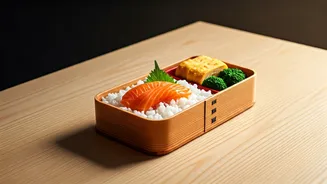
At its heart, a bento box embodies a principle of equilibrium. This isn't merely about nutritional balance, but also a harmonious blend of colours, textures,
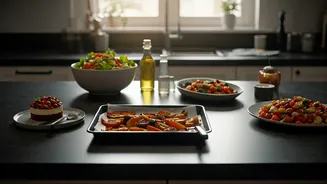
and flavours. A classic bento typically adheres to a structured composition, ensuring a well-rounded meal. This structure usually includes a foundational element of carbohydrates, such as rice or noodles, providing sustained energy. Complementing this is a protein source, which can range from tender chicken or flaky fish to versatile tofu or nourishing eggs. To add freshness and vitamins, a selection of vegetables is incorporated, prepared either raw, pickled, or stir-fried. Finally, small, flavourful sides, like mini salads or refreshing fruit pieces, round out the bento, offering variety and completing the culinary experience.
Simple Bento Menu
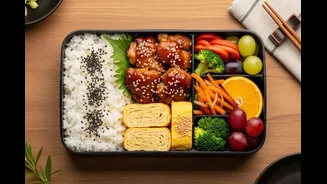
For those new to the world of bento, a straightforward yet satisfying menu offers a perfect starting point. Begin with perfectly steamed short-grain rice, seasoned lightly with toasted sesame seeds for a nutty aroma and subtle flavour enhancement. The main protein component can be succulent teriyaki chicken, coated in a rich, savoury-sweet glaze. Accompanying this is tamagoyaki, a subtly sweet and savoury Japanese rolled omelette, sliced into bite-sized pieces for easy eating. A medley of quickly sautéed vegetables adds vibrant colour and essential nutrients, providing a pleasant textural contrast. Conclude the bento with a selection of fresh, seasonal fruits, such as bright orange slices or juicy grapes, offering a refreshing and naturally sweet finish.
Rice & Teriyaki Chicken
Crafting the base of your bento starts with perfectly cooked short-grain rice. Begin by rinsing one cup of rice thoroughly, repeating the process about two to three times until the water runs clear. This removes excess starch, ensuring a fluffy texture. Combine the rinsed rice with 1.5 cups of water in a pot or rice cooker and cook according to your appliance's instructions. Once the cooking cycle is complete, allow the rice to rest undisturbed for five minutes to steam through. For a touch of flavour, sprinkle with toasted sesame seeds or a pinch of salt. For the teriyaki chicken, you'll need one boneless chicken thigh, cut into manageable, bite-sized pieces. In a heated pan, cook the chicken until it develops a golden-brown hue. Then, introduce a sauce mixture consisting of 2 tablespoons of soy sauce, 1 tablespoon each of sugar and honey, and 1 teaspoon of grated ginger. Allow this to simmer gently until the sauce thickens and beautifully coats each piece of chicken, creating a delectable main protein.
Tamagoyaki & Veggies
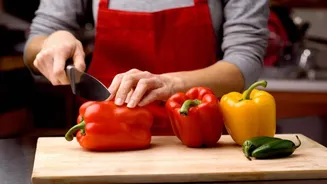
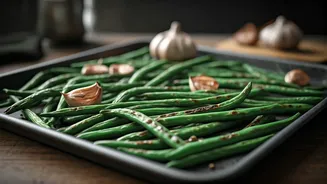
The delightful tamagoyaki, a Japanese rolled omelette, adds a unique savoury-sweet dimension. Whisk together two eggs with 1 teaspoon of sugar, a pinch of salt, and 1 teaspoon of soy sauce until well combined. Heat a non-stick frying pan and pour a thin layer of the egg mixture, allowing it to cook slightly until mostly set. Then, carefully roll the cooked egg from one side to the other. Push the rolled portion to one side of the pan and pour another thin layer of egg mixture, ensuring it flows underneath the rolled portion. Repeat this process of cooking, rolling, and adding layers until all the egg mixture is used. Once cooked, slice the rolled omelette into bite-sized segments. For a quick and vibrant vegetable side, prepare julienned carrots and your choice of beans or broccoli florets. Lightly sauté these vegetables in a pan with 1 teaspoon of oil over high heat for approximately 3-4 minutes. The goal is to keep them slightly crunchy, preserving their fresh texture and bright colours.
Fruit & Packing Guide
To complete your bento, include a refreshing component of fresh fruit. Slices of citrus like oranges, crisp apples, or sweet grapes are excellent choices that provide natural sweetness and a welcome contrast. Packing your bento box is as crucial as the cooking itself, contributing significantly to its visual appeal and organization. Aim for a vibrant presentation by incorporating a range of colours – think lush greens, sunny yellows, vibrant reds, and clean whites. Begin by establishing a stable base with the cooked rice. Next, position your protein component alongside the rice. Carefully fill any remaining gaps with your prepared vegetables and side dishes, ensuring each element has its place. Employing food dividers or even colourful cupcake liners can be highly effective in keeping distinct food items separate and preventing flavours from mingling. Pack the contents snugly within the box to prevent any shifting during transport, ensuring your bento arrives looking as pristine as when you packed it.
Beginner's Wisdom
For those just starting their bento-making journey, a few key strategies can simplify the process and enhance the results. Focus on keeping your portion sizes modest and diverse, allowing for a variety of tastes and textures within a single meal. It's advisable to avoid dishes that are excessively saucy, as these can potentially spill and make a mess during transit. To streamline your morning routine, consider prepping some of your ingredients, like chopping vegetables or marinating proteins, the night before. This proactive approach significantly saves time and reduces stress on busy weekdays. Furthermore, don't hesitate to get creative with leftovers from previous meals; they can often be repurposed into delicious bento components, minimizing food waste and adding unique flavours to your lunches. Embracing these tips will make homemade bento an enjoyable and practical part of your culinary repertoire.