


The Science of Tan Dissolving
Indian summers often leave our skin with an unwelcome tan, and the go-to solution for many is fresh milk cream, or malai. While modern skincare boasts
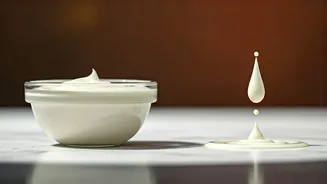
a plethora of advanced treatments, this traditional kitchen hack holds its ground, backed by dermatological insights. Malai's effectiveness stems from its rich lactic acid content, a gentle Alpha Hydroxy Acid (AHA). Unlike abrasive scrubs that can further irritate sun-damaged skin, lactic acid works at a molecular level. It delicately dissolves the bonds holding dead, pigmented skin cells together, thereby accelerating the skin's natural shedding process. This gradual removal of the tanned top layer helps to reveal brighter, more even-toned skin without causing harm or harshness.
Moisture, Repair, and Delivery
Beyond its exfoliating properties, malai offers significant benefits for sun-ravaged skin. UV exposure can compromise the skin's protective lipid barrier, leading to dryness and a dull appearance. Malai, abundant in natural fats, proteins, and ceramides, acts as a powerful emollient. It effectively locks in moisture, aiding in the repair of this crucial barrier and restoring the skin's natural radiance and hydration. Furthermore, sun exposure triggers minor inflammation, which can lead to Post-Inflammatory Hyperpigmentation (PIH) if treated aggressively. Malai's cooling nature helps to calm this inflammation, preventing the skin from producing excess melanin in defense. When combined with turmeric, the fats in malai also facilitate the absorption of curcumin, the active compound in turmeric known for its melanin-inhibiting properties, by acting as a transport system into the skin cells.
Who Should Avoid Malai
Despite its many benefits, malai is not a universal solution and comes with a critical caution from skin experts. It is highly comedogenic, meaning it has a strong tendency to clog pores. Consequently, individuals with oily, acne-prone, or fungal acne-prone skin should steer clear of this remedy. Applying thick cream can trap excess sebum, create an environment for bacteria to thrive, and potentially lead to severe breakouts. For those with oily skin types, dermatologists suggest opting for alternatives like plain yogurt or soothing aloe vera gel, which are less likely to clog pores and can still offer benefits for tan removal and skin soothing.
The Verdict on DIY Tan Removers
Dermatologists generally endorse malai over other more aggressive DIY tan removal methods that have gained popularity online. Practices involving raw lemon juice or tomato juice are strongly discouraged due to their high acidity, which can cause chemical burns on sensitive, sun-exposed skin. Malai, conversely, is considered a safer option due to its balanced pH. However, it's important to manage expectations; malai is effective for fading surface-level tan over time and should be viewed as a gentle, gradual treatment rather than an instant solution. It will not reverse deep-seated sun damage or halt photo-aging processes but serves as a beneficial, natural approach for incremental skin brightening.