






Introduction to Aloe
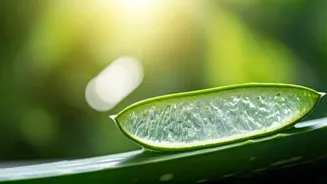
Aloe vera is a succulent plant species originating from the Arabian Peninsula, but is now cultivated globally. It's identifiable by its thick, fleshy leaves
that contain a clear gel. The plant has been recognized across various cultures for its medicinal properties. Historically, Egyptians used aloe vera for treating burns, infections, and skin conditions. Today, the plant's popularity continues to rise due to its proven efficacy and accessibility. Aloe vera's adaptability to diverse environments also contributes to its widespread availability. Its easy cultivation makes it a readily available home remedy. Moreover, it is a key component in a variety of beauty and health products, making it a familiar name in households worldwide.
Key Components Explained
The remarkable effects of aloe vera are attributed to its complex composition, which includes vitamins, minerals, enzymes, and amino acids. The gel contains polysaccharides, which are known to enhance the immune system and promote skin healing. Vitamins A, C, and E in aloe vera act as antioxidants, protecting the skin from environmental damage and assisting in its repair process. The plant also offers minerals such as zinc and magnesium, essential for cellular functions. Enzymes like bradykinase help reduce inflammation, contributing to the soothing effect of aloe vera on the skin. Amino acids are the building blocks of proteins, vital for cell structure and repair. These components work together to provide multifaceted benefits. They help to maintain overall health and address various skin issues, leading to its widespread use in skincare.
Skin Benefits in Detail
Aloe vera's skin-soothing properties are very well-documented. It's often used to treat sunburns due to its ability to cool and reduce inflammation. The gel penetrates quickly, providing instant relief and accelerating the healing process. Aloe vera also helps to keep skin moisturized because it has a high water content and attracts moisture from the air. This makes it an effective remedy for dry skin. The antioxidants in aloe vera protect the skin from free radicals and improve its elasticity. In addition, the plant contains compounds that promote collagen production, leading to smoother, more youthful skin. It is also used to treat minor cuts and burns, as well as to minimize the appearance of scars. These properties make aloe vera a versatile and indispensable ingredient in skincare.
How to Use Aloe
Aloe vera can be incorporated into your daily routine in many ways. You can directly apply aloe vera gel from the plant to the skin, which is ideal for burns or small cuts. Aloe vera is also a popular ingredient in skincare products like lotions, creams, and face washes. Using aloe vera gel or products containing it regularly can help maintain skin health and address various concerns. For internal use, aloe vera juice can be consumed to aid digestion and boost immunity. However, it's essential to use aloe vera safely and be aware of any potential allergic reactions. Always perform a patch test when using aloe vera for the first time. For internal use, it’s advisable to consult with a healthcare professional to determine the appropriate dosage and avoid any adverse effects. By following these guidelines, you can maximize the benefits of aloe vera in your routine.
Precautions and Safety
While aloe vera is safe for most people, certain precautions should be considered. Allergic reactions, characterized by skin irritation, can occur. It's vital to test aloe vera on a small patch of skin before applying it extensively. For internal use, particularly with aloe vera juice, it's essential to adhere to recommended dosages. Overconsumption can lead to digestive issues, such as diarrhea. Pregnant or breastfeeding women should consult with a doctor before using aloe vera, both topically and internally. Quality matters too. Choose products that contain pure aloe vera and avoid those with added chemicals or fragrances that could cause irritation. If you experience any adverse effects, discontinue use immediately and consult a healthcare professional. Practicing safety will ensure you gain the best benefits from aloe vera.