


Heart of India's Wildlife
Madhya Pradesh, centrally located and often referred to as the "Heart of India," proudly holds the distinction of housing the most national parks within
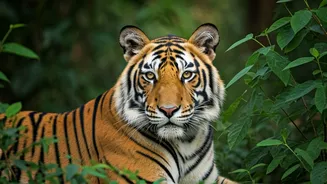
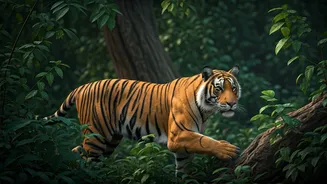
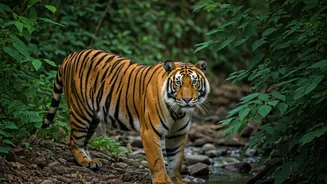
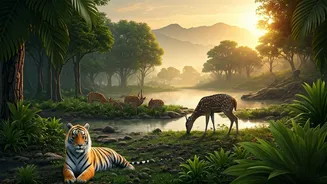
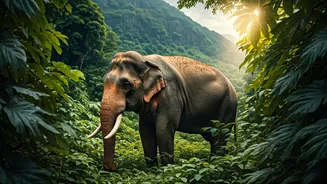
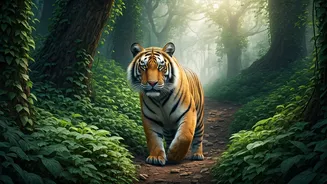
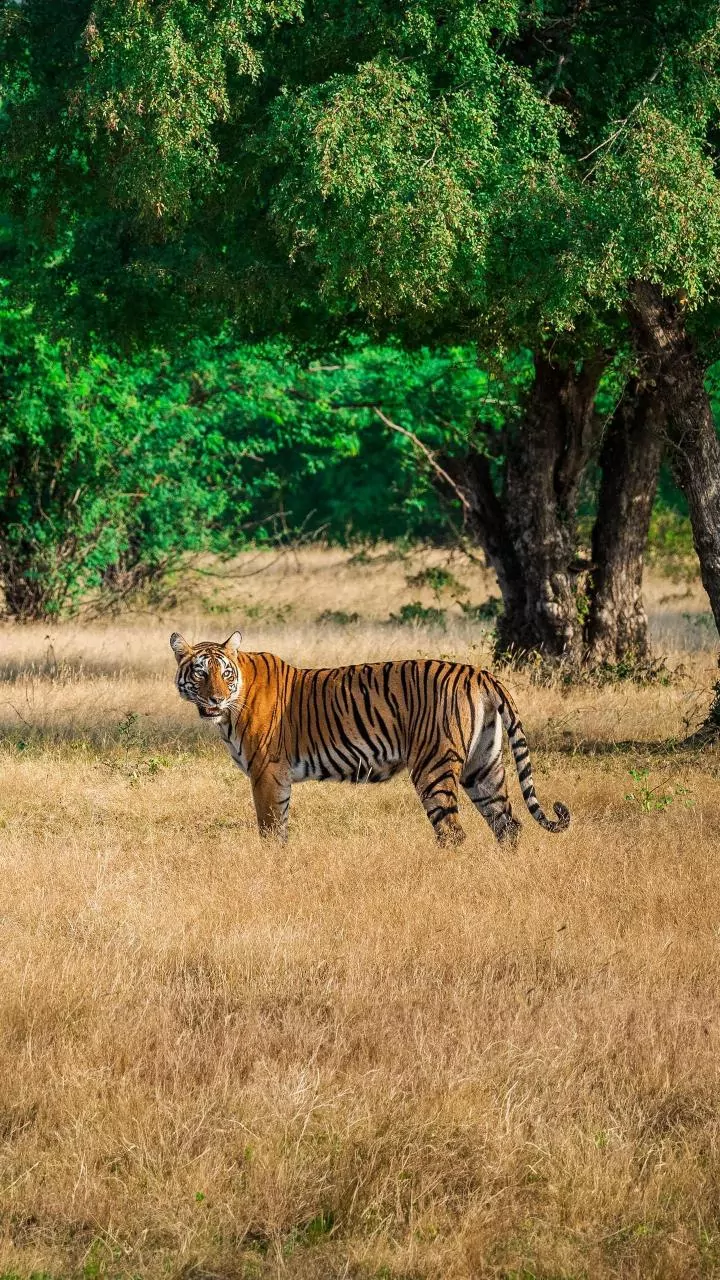
its borders, numbering an impressive 11 to 12. This state is a cornerstone of India's biodiversity conservation efforts, providing vital sanctuaries for an extensive array of flora and fauna. Popularly crowned the "Tiger State," it is renowned for its exceptionally high tiger densities and serves as a critical habitat for numerous endangered species. Beyond its impressive cat population, the state's parks are celebrated for their diverse landscapes, ranging from dense forests to open grasslands, and for offering unparalleled opportunities for wildlife enthusiasts to witness nature's grandeur through thrilling safaris. Prominent among these protected areas are Kanha, Bandhavgarh, Panna, Pench, Satpura, and the critically important Kuno National Park, making Madhya Pradesh a premier destination for experiencing India's natural heritage.
Kanha's Kipling Charm
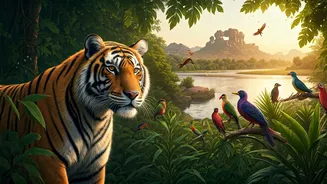
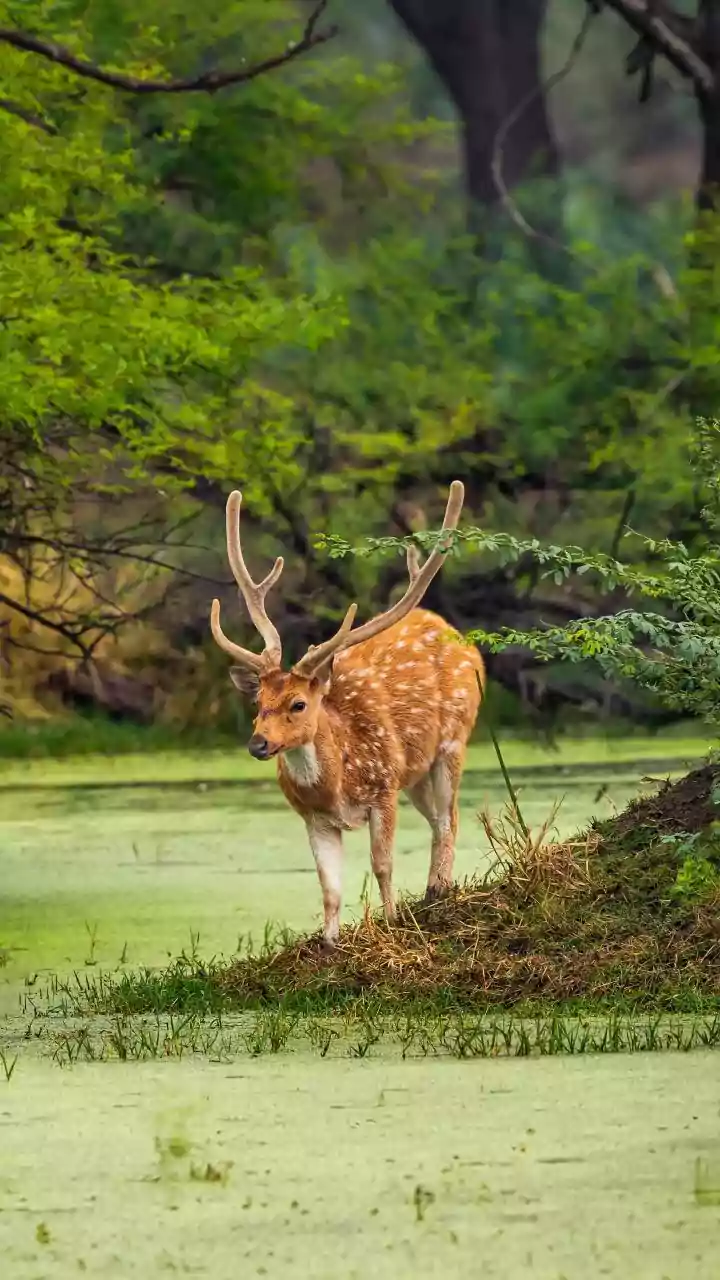
Nestled within the Mandla and Balaghat districts, Kanha National Park stands as a testament to exemplary park management and natural splendor in India. It is the largest national park in Madhya Pradesh, spanning approximately 940 square kilometers of breathtaking terrain. The park is characterized by its vibrant sal and bamboo forests, interspersed with vast, open meadows that provide excellent visibility for wildlife spotting. Visitors have high chances of encountering iconic species such as tigers, the rare barasingha (swamp deer), majestic gaurs (Indian bison), elusive leopards, and a rich tapestry of birdlife. Kanha's picturesque setting, often said to have inspired Rudyard Kipling's 'The Jungle Book,' makes it a top choice for immersive jeep safaris, offering an unforgettable journey into the wild heart of India.
Bandhavgarh's Tiger Kingdom
Located in the Umaria district, amidst the dramatic Vindhya Hills, Bandhavgarh National Park is globally recognized for harboring one of the highest densities of tigers in India. This park presents a captivating landscape of stark sandstone hills, ancient fort ruins hinting at its historical past as a royal hunting ground, and dense, verdant forests. Beyond its formidable tiger population, Bandhavgarh is a thriving ecosystem for leopards, sambar deer, and an astonishing diversity of avian life, with over 250 bird species recorded. The park's historical significance, linked to the former maharajas of Rewa, adds a unique dimension to the wildlife experience, and its relatively compact size often leads to frequent and exciting daytime tiger sightings.
Pench: Jungle Book's Realm
Spanning the districts of Seoni and Chhindwara, Pench National Park, like Kanha, draws inspiration from Rudyard Kipling's celebrated 'The Jungle Book.' The park's geography is defined by its extensive teak forests, the life-giving Pench River, and undulating hills that create a varied and engaging habitat. This dynamic environment supports healthy populations of tigers and leopards, alongside wild dogs and a plethora of bird species. The scenic riverine landscapes, combined with a mix of dense woodland and open clearings, offer a balanced and rewarding safari experience. Pench is a favored destination for nature aficionados seeking to immerse themselves in the authentic wilderness that inspired classic tales of the Indian jungle.
Satpura's Rugged Beauty
Situated south of the Narmada River in the Narmadapuram district, Satpura National Park distinguishes itself with its exceptionally diverse and rugged terrain. This park encompasses a unique blend of hills, deep valleys, flowing rivers, and is part of the expansive Pachmarhi Biosphere Reserve. Its flora is dominated by sal forests, and it harbors distinctive wildlife such as sloth bears, the endemic Indian giant squirrel, leopards, and tigers. Satpura offers exceptional opportunities for activities beyond traditional safaris, including trekking and boat safaris, allowing visitors to explore its pristine, less-crowded environment. Its rugged charm and abundant wildlife make it a particularly appealing destination for photographers and nature enthusiasts.
Panna's Scenic Plateaus
Renowned for its breathtaking Vindhya Plateau landscapes, deep gorges, the picturesque Ken River, and dramatic waterfalls, Panna National Park is celebrated as one of India's most visually stunning wildlife sanctuaries. Located across the Panna and Chhatarpur districts, the park has achieved remarkable success in tiger conservation and provides excellent viewing opportunities for tigers, leopards, and various vulture species amidst its plateaus and forests. Adding a layer of historical and cultural depth, Panna also features ancient Neolithic-era rock paintings, offering visitors a glimpse into prehistoric human life alongside its flourishing wildlife and geological wonders.
Kuno: Cheetah's New Home
The Sheopur district's Kuno National Park has garnered significant international acclaim as the chosen location for India's ambitious cheetah reintroduction project. The park features a diverse mix of dry deciduous forests and expansive grasslands, bisected by the Kuno River, which collectively provide a supportive habitat for a growing population of cheetahs, leopards, and other native wildlife. Kuno represents a landmark conservation success story, offering vast, open landscapes that are ideal for spotting these magnificent big cats and demonstrating a commitment to restoring ecological balance and biodiversity in the region.
Van Vihar: Urban Oasis
Located conveniently in the heart of Bhopal, Van Vihar National Park offers a unique urban wildlife sanctuary experience. This park functions primarily as a rescue and breeding center, housing animals within spacious, naturalistic enclosures that mimic their native habitats. It provides easy accessibility for visitors to observe a variety of animals, including tigers, bears, hyenas, crocodiles, and deer, without requiring extensive safari journeys. Ideal for families or those with limited time, Van Vihar combines the convenience of an urban setting with the thrill of wildlife encounters, all within a scenic environment adjacent to a lake, though it operates more like a well-maintained zoological park.