





Smart Oil Management
Draining excess oil after cooking, whether from fried items placed on absorbent paper or from the surface of curries, is a simple yet effective method
to reduce fat intake. This recovered oil can often be reused for tempering (tadka), proving that thoughtful kitchen practices can lead to significant health benefits without waste. Experts advocate for this small step as crucial in minimizing unnecessary calorie and unhealthy fat consumption from everyday meals, a practice that aligns with the national call to conserve resources and improve public health.
Alternative Cooking Methods
Embrace modern culinary techniques to drastically cut down on oil. Instead of relying on traditional deep-frying, explore methods like grilling, roasting, steaming, baking, or air-frying. These innovative approaches allow for the creation of delicious dishes with minimal to no added oil, preserving the original flavors and textures while producing lighter, healthier results. This shift in cooking style is pivotal in meeting the goal of reducing overall oil consumption without compromising the enjoyment of your favorite meals.
Limit Fried Foods
Deep-fried delicacies, while incredibly appealing, are notorious for absorbing substantial amounts of cooking oil. By consciously limiting the frequency and portion size of fried foods, you can make a substantial difference in your daily oil intake. Consider healthier alternatives such as air-frying popular snacks with just a few drops of oil, or baking items like samosas and pakoras. These adjustments help satisfy cravings for crispy textures while significantly reducing the unhealthy fats that accompany traditional frying.
Choose the Right Cookware
Investing in quality cookware is a straightforward yet impactful strategy for reducing oil usage. Non-stick pans, cast-iron skillets, and ceramic-coated utensils are designed to require considerably less oil for cooking compared to conventional pots and pans. This switch not only aids in minimizing daily oil consumption but can also contribute to enhanced nutrition; for example, cooking in iron cookware can boost the iron content of your food, offering added health advantages.
Boost Flavor with Spices
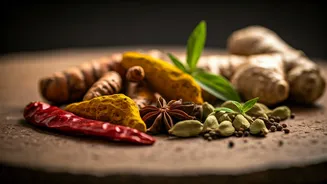
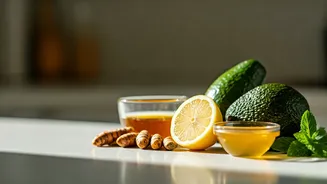
Rethink the notion that more oil equals richer flavor. Instead, elevate your dishes by skillfully incorporating a wide array of fresh herbs and aromatic spices. Ingredients like garlic, ginger, curry leaves, mustard seeds, lemon juice, coriander, mint, black pepper, and expertly roasted spices can build deep, complex flavors. This approach allows you to create satisfying and flavorful meals with significantly less oil, transforming the taste and texture profiles of your cooking.
Oil Sprays & Brushes
Transform your greasing techniques by opting for oil spray bottles or silicone brushes. These tools offer superior control, enabling even distribution of oil across pans or food surfaces, and can reduce oil usage by an impressive 60-70%. This methodical application ensures that you use just the right amount of oil, effectively preventing sticking and enhancing cooking results while dramatically cutting down on overall consumption.
Measure Oil Accurately
Break the habit of pouring oil freely by adopting precise measurement techniques. Utilizing measuring spoons for all your cooking needs can significantly curb excessive oil intake. This conscious effort not only leads to lighter meals but also promotes better digestive health and overall well-being for your body. Accurate measurement is a simple, yet powerful, step towards a healthier diet.
Sauté with Water/Stock
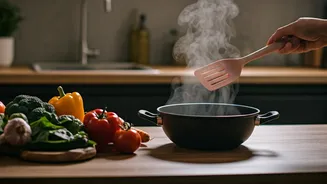
Reimagine the traditional sautéing process by incorporating water, vegetable stock, or even a bit of curd. Begin by adding a small quantity of oil, followed by splashes of liquid, to cook ingredients like onions and tomatoes. This method effectively prevents food from sticking to the pan and ensures ingredients soften and cook thoroughly without the need for copious amounts of oil. Cooking with water also helps retain the food's natural nutrients and taste, offering a healthier and more flavorful cooking experience.