





Master of Disguise
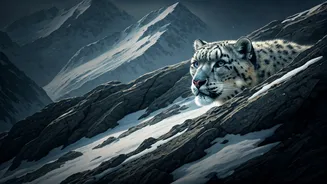
Snow leopards are renowned for their uncanny ability to vanish into their surroundings, earning them the nickname "ghost of the mountains." Their thick,
greyish-white fur provides exceptional camouflage against the rocky, snow-dusted slopes of their high-altitude habitat. This natural blending makes them incredibly difficult to spot, even for experienced wildlife trackers who might spend days searching without success. Their elusive nature is a primary reason why sightings are so rare, contributing to their mystique among both scientists and nature enthusiasts.
The Remarkable Tail
A striking feature of the snow leopard is its disproportionately long and bushy tail. This isn't just for show; it plays a crucial role in their survival. The tail acts as a vital balancing aid when they navigate treacherous, rocky ledges and make daring leaps across steep ravines. Furthermore, in the extreme cold of their mountain homes, snow leopards utilize their thick tails as a warm wrap around their faces while resting, offering a natural scarf to protect against freezing temperatures and conserve body heat.
Unique Vocalizations
Contrary to the powerful roars associated with other large felines like lions, snow leopards possess a distinct and much quieter vocal repertoire. Instead of booming calls, they communicate through a range of softer sounds, including growls, hisses, yowls, and a unique sound known as "chuffing." This softer vocalization is similar to that of some other wild cat species. For an animal that exhibits such a robust physique, their gentle and subtle vocalizations often come as a surprise to those who encounter them.
Solitary Mountain Dwellers
Unlike the social structure of lions, snow leopards lead predominantly solitary lives. They roam their vast territories alone, generally avoiding interaction with other individuals except during the mating season or when raising their young cubs. This independent and reclusive behavior is a significant factor contributing to their infrequent sightings. Their preference for solitude means they move stealthily and discreetly through their mountainous domain, further enhancing their ghost-like reputation.
High-Altitude Specialists
Snow leopards have adapted to thrive in extreme environments where oxygen levels are significantly lower and temperatures plummet to brutal lows. They inhabit remote mountain ranges across Central Asia, including parts of India, Nepal, Bhutan, Mongolia, and China, with a notable presence in India's Himalayan belt, particularly Ladakh and Himachal Pradesh. Few other predators can endure such harsh conditions, but snow leopards are uniquely equipped to survive and flourish in these unforgiving high-altitude terrains.
Insulating Fur Coat
To combat the extreme cold of their mountain habitats, particularly during the harsh winter months, snow leopards are covered in exceptionally dense fur. This thick coat provides superior insulation, effectively protecting them from freezing temperatures. Among big cats that inhabit cold climates, the snow leopard boasts one of the most substantial and insulating fur coverings, a vital adaptation for surviving the frigid mountain air and icy conditions.
Snow-Ready Paws
The snow leopard's large paws are a marvel of natural engineering, perfectly suited for navigating snowy landscapes. Covered in thick fur, these paws help distribute their weight, preventing them from sinking too deeply into soft snow. The fur also offers protection against the biting cold and icy surfaces. Essentially, their paws function as built-in snowshoes, providing essential traction and stability for moving across their challenging mountain terrain with grace and ease.
The 'Ghost' Reputation
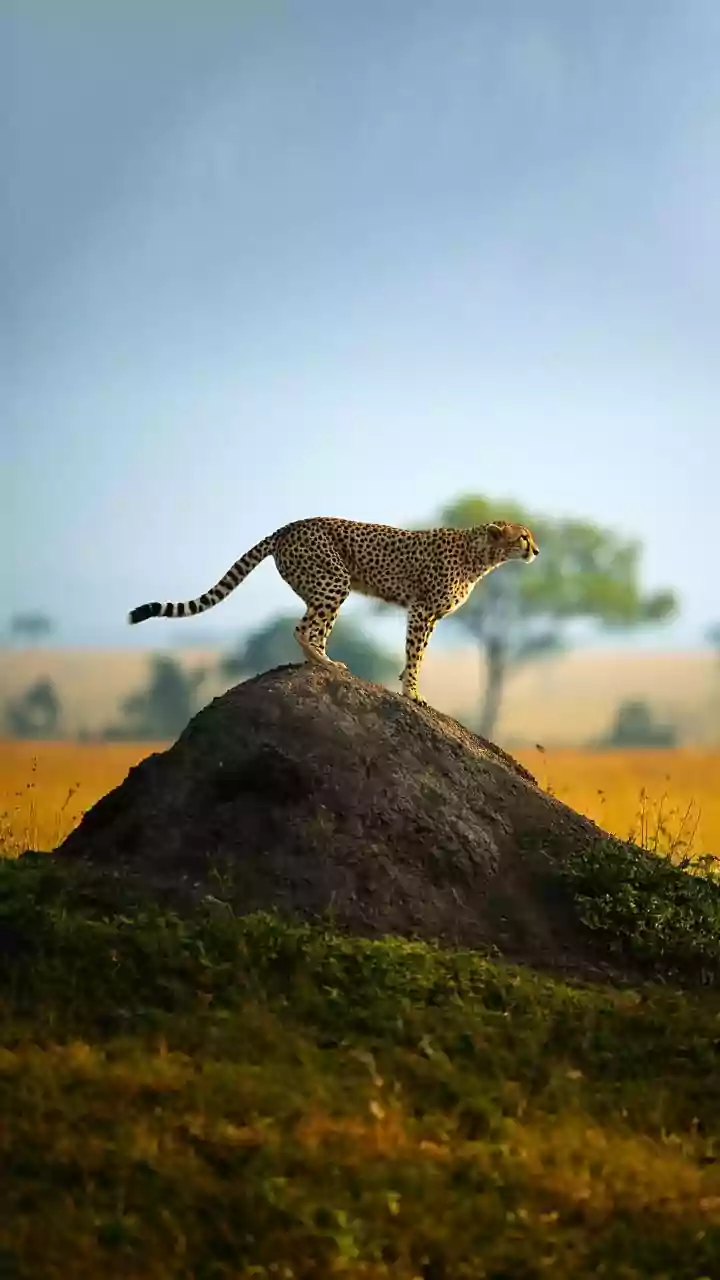
In an era where wildlife is frequently showcased on digital platforms, snow leopards remain remarkably absent from the constant stream of viral content. While tigers, lions, and cheetahs frequently dominate online feeds and documentaries, the snow leopard maintains an aura of mystery. Their rarity in real-life encounters, coupled with their existence in remote, challenging habitats, lends them an almost mythical quality, making them feel more like creatures of folklore than tangible wildlife.
Crepuscular Hunters
Snow leopards exhibit a pattern of hunting primarily during the twilight hours, typically at dawn and dusk, rather than in the middle of the day. Wildlife experts suggest this behavior offers a strategic advantage. It aids in their concealment within the mountains, where light conditions change rapidly, while also maximizing their opportunities for a successful hunt. This crepuscular activity further contributes to their elusive nature, as they are most active when visibility is lower.
Astonishing Leaping Ability
Despite their often-calm demeanor when resting, snow leopards are incredibly powerful and agile hunters. Their physical prowess is most evident in their remarkable ability to leap across vast rocky chasms and steep inclines within their mountainous territory. These impressive jumps can span distances several times the length of their own bodies, allowing them to traverse difficult terrain with exceptional speed, precision, and remarkable balance, showcasing their mastery of the rugged landscape.