




The Sugar Standoff
For infants under one year old, official health recommendations are clear: avoid adding any sugar to their food or drinks. While there isn't a strict numerical
limit for this age group, the overarching advice is to minimize both the frequency and quantity of sugary items in their diet. Experts emphasize that sugar contributes 'empty calories,' meaning it provides energy without essential nutrients. Furthermore, health bodies like the NHS highlight that excess sugar can lead to dental problems, and organizations such as the AAP strongly advise against sugar-sweetened beverages, including fruit juices and other sweetened drinks, for children under the age of one. This proactive approach helps establish healthier eating habits from the very beginning.
Salt's Sensitive Role
Similar to sugar, added salt is best omitted from a baby's diet. Health authorities strongly recommend against introducing salt into a baby's food or the water used for cooking. This caution stems from the fact that infants' kidneys are still developing and are not equipped to process significant amounts of salt. Consequently, parents are also advised to steer clear of inherently salty foods like bacon, sausages, fries with added salt, crisps, crackers, ready-made meals, and takeaway options. This guidance aligns with broader recommendations from organizations like the WHO, which advocates for reduced sodium intake throughout childhood due to its link with blood pressure.
Timeline for Taste
Understanding the practical timeline is essential. From birth to six months, babies rely solely on breast milk or formula, meaning no added sugar or salt is involved. Around the six-month mark, when solids are introduced, these should be simple, appropriate for the baby's age, and crucially, free from added sugar or salt. Throughout the first year, maintaining this sugar-free and salt-limited approach remains paramount. Even after a child turns one, the need for added sugar or salt in their diet is minimal. It is advisable to continue avoiding their addition during cooking and at the table, and to limit highly salted or sugary processed foods. The primary goal at this stage is to encourage acceptance of natural flavors through balanced, simple meals.
Flavorful Alternatives
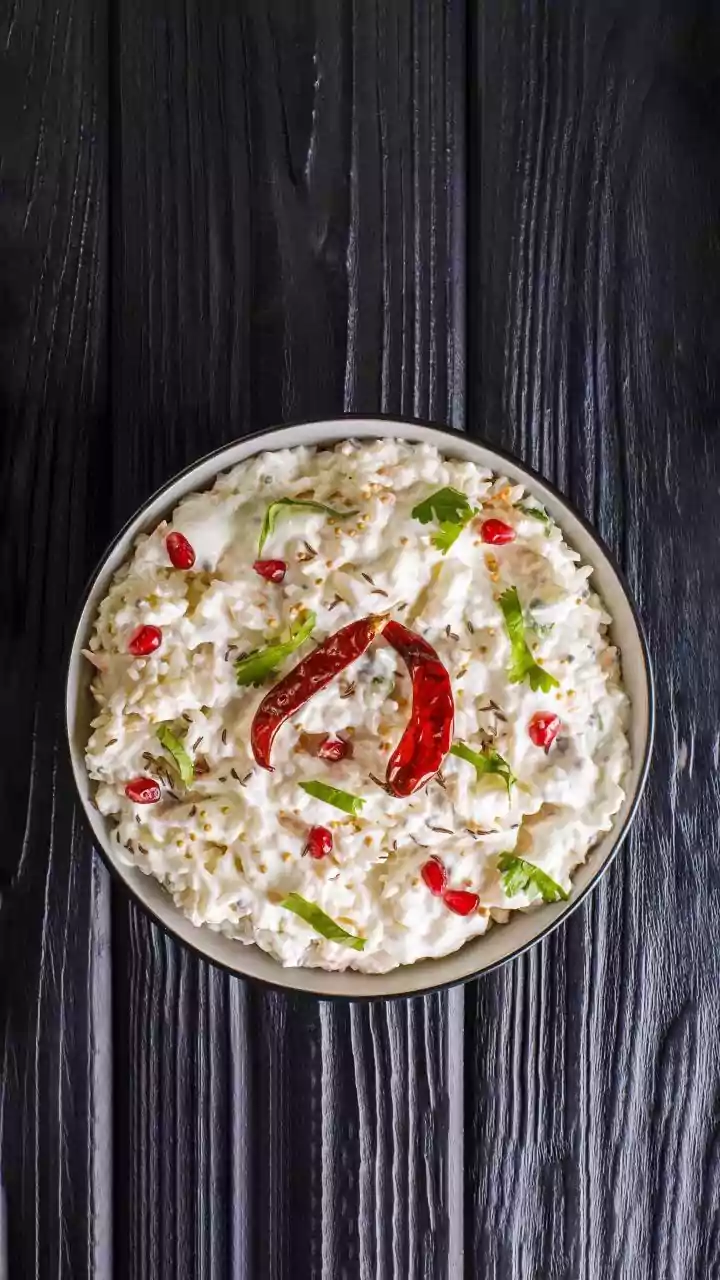
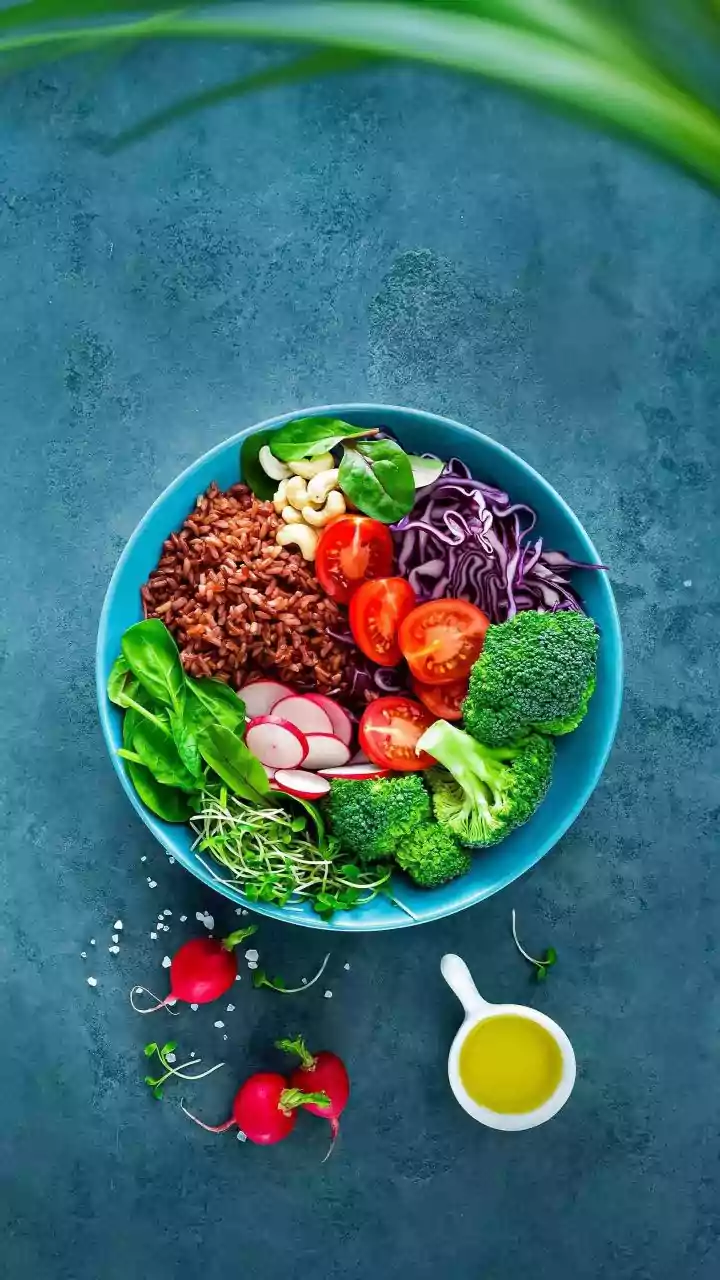
Instead of relying on sugar and salt, focus on the natural tastes of wholesome foods. Offer your baby a variety of textures and flavors using plain fruits, vegetables, lentils, oats, rice, and yogurt. Well-cooked and mashed meals are excellent choices for early introduction. By presenting foods in their natural state, you help your baby develop an appreciation for authentic flavors. This approach makes it more likely that they will accept a wider range of healthy foods as they grow, fostering a positive and diverse palate without the need for artificial enhancements.
Simple Habits, Big Impact
Adhering to these guidelines might seem challenging, especially if you are accustomed to seasoning adult meals heavily. However, the underlying principle is straightforward: babies are in the crucial phase of developing their taste preferences. Minimizing early exposure to sugar and salt significantly increases their likelihood of accepting plain, natural foods later on. Leading health organizations are in strong agreement that babies do not require added sugar or salt for healthy growth. Therefore, the simplest and safest approach for feeding a baby is to prioritize plain, fresh ingredients and to introduce seasonings gradually when they are older.