







Digestive Ease & Comfort
Camel milk offers a gentler digestive experience primarily due to its naturally lower lactose content compared to cow milk. This makes it a more suitable
alternative for individuals who experience discomfort or sensitivity when consuming dairy. A key distinction lies in the absence of the beta-casein protein in camel milk, a component commonly linked to digestive inflammation and unease in many people. By bypassing this common trigger, camel milk presents a smoother pathway for nutrient absorption and overall gut comfort, setting it apart as a more easily digestible option for a broader range of consumers seeking relief from common dairy-related issues.
Blood Sugar Regulation Potential
An intriguing aspect of camel milk is its composition of insulin-like proteins. Emerging research suggests these proteins possess properties that can contribute to better blood sugar management. Studies indicate a potential improvement in insulin sensitivity, a crucial factor for individuals navigating the challenges of type 1 and type 2 diabetes. While not a substitute for medical treatment, camel milk emerges as a compelling superfood that may support glucose metabolism, offering a ray of hope for those looking to complement their medical regimen with dietary adjustments under professional guidance.
Immunity and Skin Vitality
Camel milk stands out as a remarkable source of Vitamin C, boasting a concentration approximately three to five times higher than that found in cow milk. This significant advantage translates into a potent antioxidant profile, which is vital for fortifying the body's immune defenses. Beyond immunity, the high Vitamin C content actively promotes healthier skin, contributing to a radiant complexion and overall dermatological well-being. This enhanced nutritional contribution provides a considerable uplift to the body's natural protective mechanisms.
Mineral Richness for Bones
While both camel and cow milk provide calcium essential for bone health, camel milk excels in its richer presence of other vital minerals. It contains higher levels of iron, potassium, and magnesium, which are critical for maintaining strong bone density and supporting robust cardiovascular function. This comprehensive mineral profile makes camel milk particularly beneficial in regions where diets may lack a diverse range of essential micronutrients, contributing significantly to overall skeletal integrity and heart health.
Protective Compounds Against Infections
Camel milk is endowed with unique protective proteins, including immunoglobulins and lysozymes, which bear a resemblance to those found in human breast milk. These specialized compounds possess significant antimicrobial properties, actively assisting the body in its fight against various infections. This intrinsic defense mechanism provides a more robust shield against pathogens compared to the protein structures typically present in cow milk, enhancing the body's natural resilience.
Heart Health & Metabolism
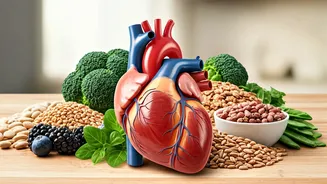
When comparing the fat content, camel milk generally presents a more favorable profile. It typically contains lower amounts of saturated fat and less "bad" cholesterol (LDL) than whole cow milk. Conversely, it is abundant in healthy unsaturated fatty acids. These beneficial fats play a crucial role in promoting cardiovascular health and can contribute to a more efficient metabolic rate, making it an excellent choice for individuals who are mindful of their fat intake and seeking to support their heart's well-being.